Snow leopards of the Karakoram
Snow leopards live in the high valleys around Hunza. Learn where they are found, what signs to look for and how to visit responsibly.
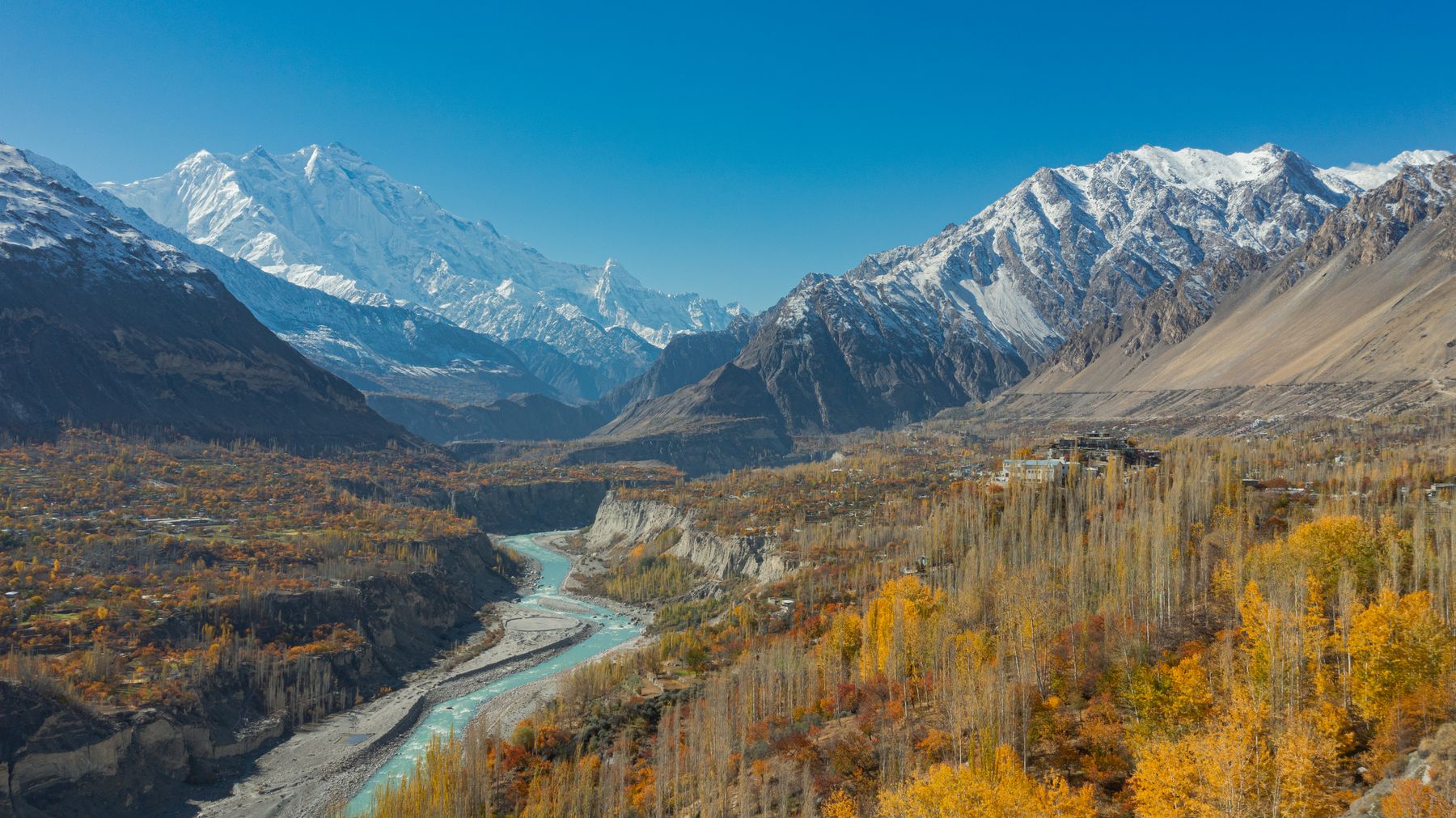
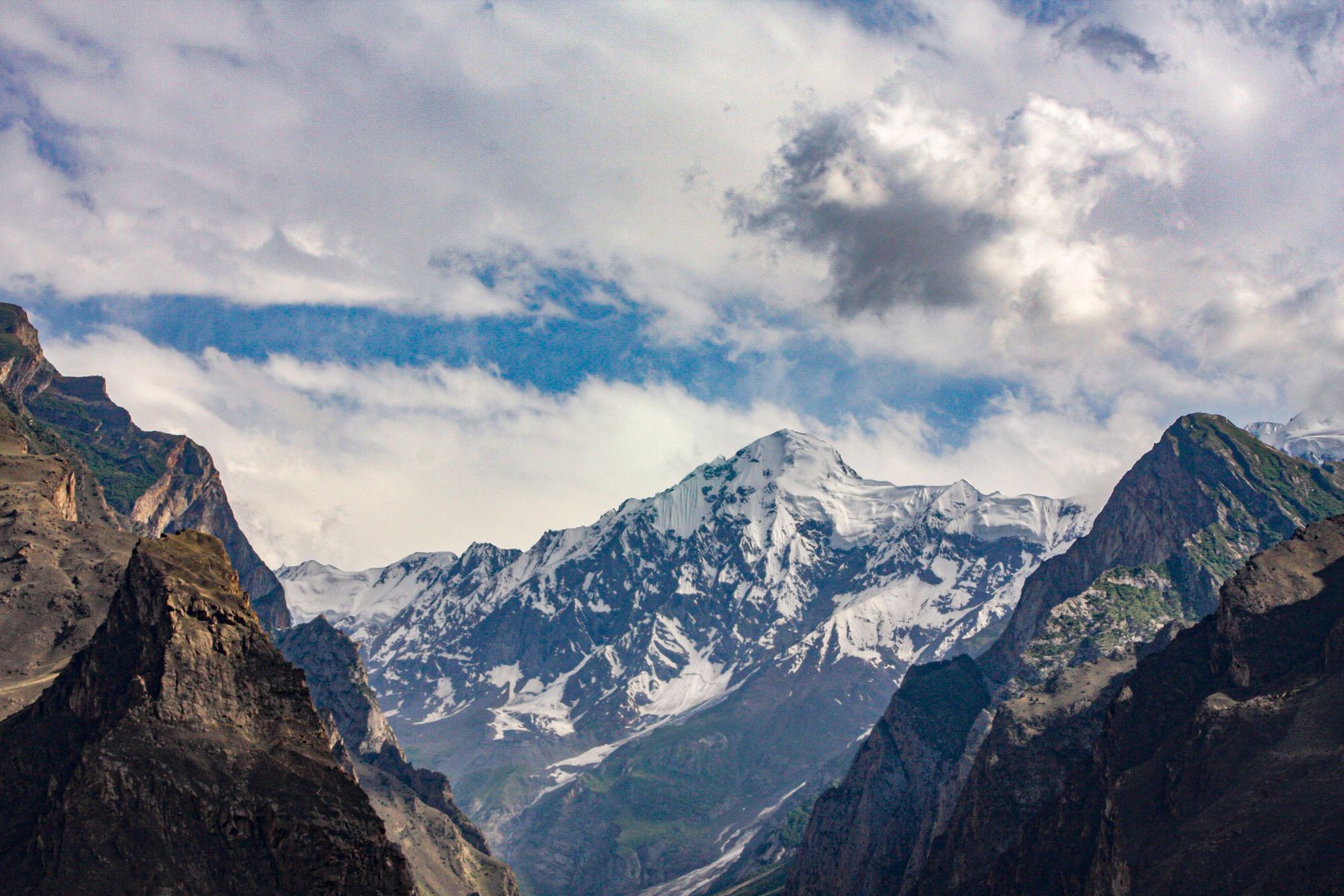 Photo: Sohail Raza / Pexels
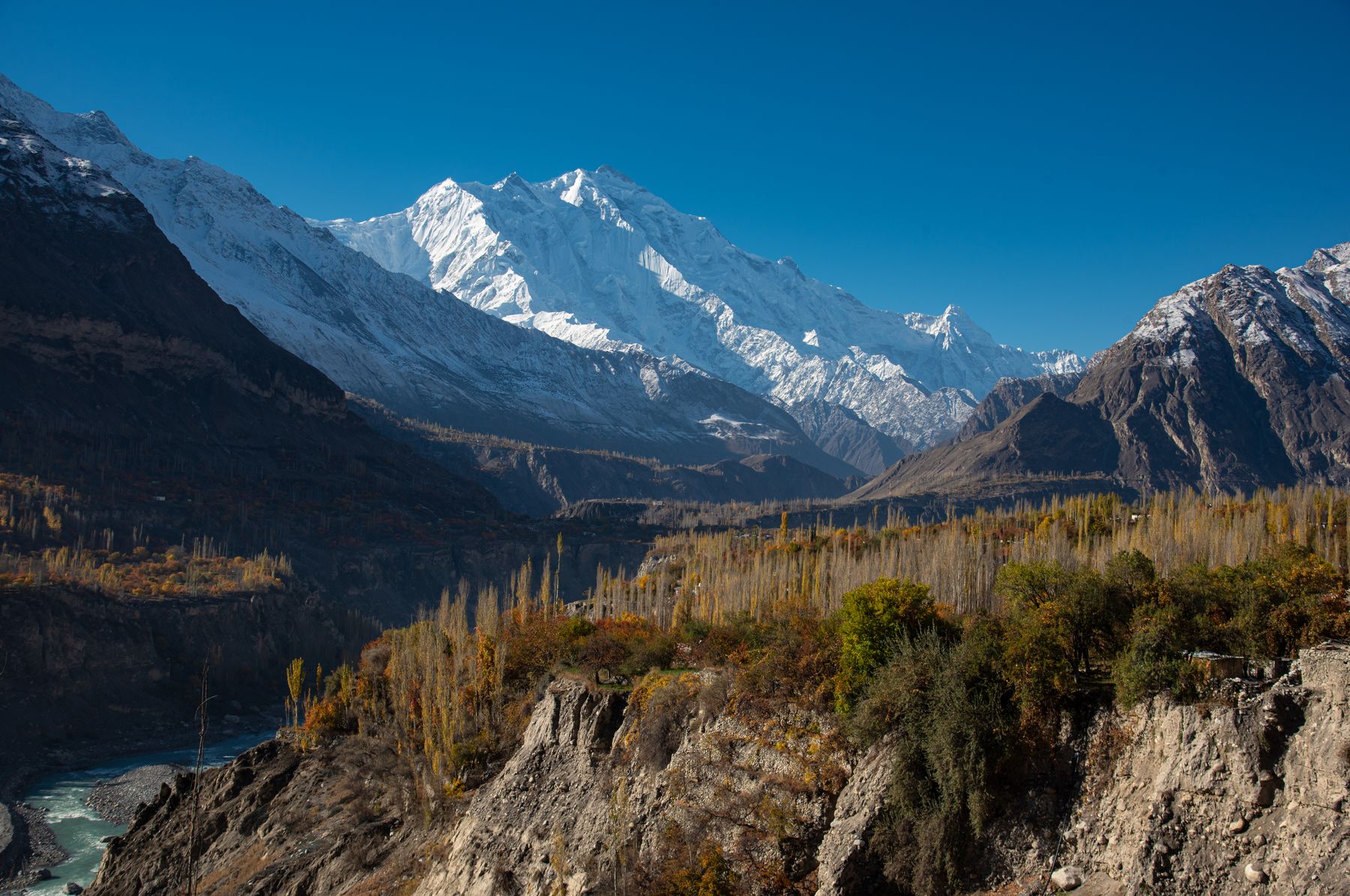
The snow leopard is a solitary cat of the high mountains, found across Central Asia and the Himalaya. In Pakistan, the Karakoram and Hindu Kush ranges hold a resident population. Around Hunza, the animals move between rocky slopes and alpine pastures, usually above the tree line. Seeing one is rare, but the landscape and its signs are open to careful visitors.
Where the leopards live
Snow leopards favour steep, broken ground between roughly 3,000 and 4,500 metres. In the Karakoram, such terrain lies above the villages of Hunza and Gojal, and in the side valleys that run north towards the Chinese border. The cats use ridges and cliff ledges as lookout points and move along fixed routes between hunting grounds.
The population in Pakistan is thinly spread. A single animal may range over a large area, and territories overlap little. This makes them hard to count, and estimates vary. What is clear is that the high valleys around Hunza form part of a wider landscape that supports them, along with prey such as ibex and markhor.
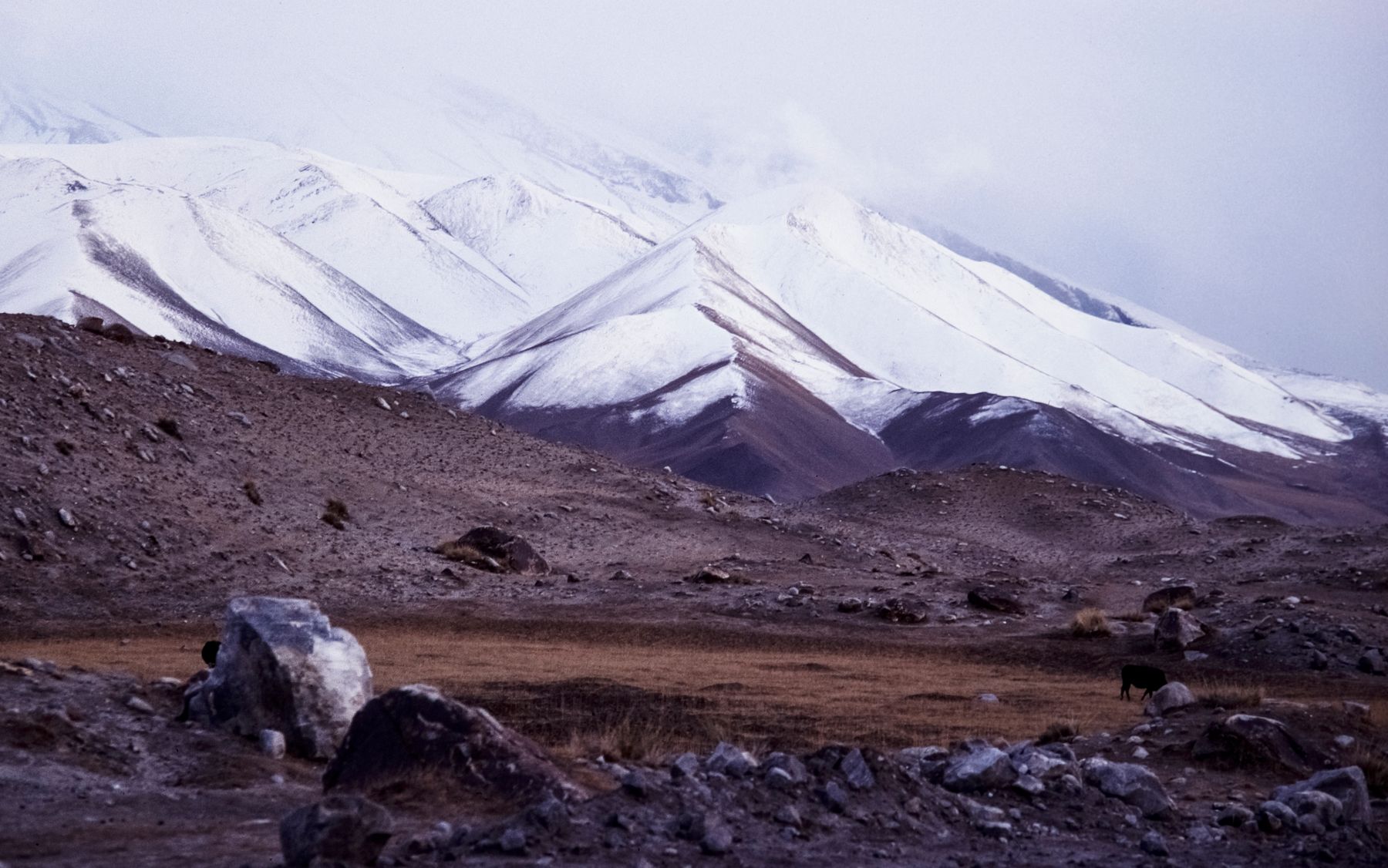
Below the snow line, juniper and birch scrub gives way to bare rock and scree. Snow leopards are built for this ground: broad paws for soft snow, a long tail for balance and pale grey fur that breaks up against stone. In summer they follow prey to higher pastures; in winter they descend towards valley edges.
Signs in the landscape
Even without a sighting, the mountains show evidence of snow leopards. Look for scrapes in the dust, small pits kicked out by a hind foot, often on ridge lines or at the base of cliffs. These mark territories and are revisited. Tracks are harder to find on hard ground, but fresh snow reveals them clearly.
Another sign is the remains of kills. Snow leopards drag prey to a sheltered spot and feed over several days. Bones and fur may be scattered below a ledge. Such sites are best left undisturbed. Guides in the region often know regular routes and can point out scrapes without needing to leave the path.
The cats themselves are most active at dawn and dusk. A patient watch from a distance, with binoculars or a spotting scope, is the usual method. Local villagers sometimes report sightings near livestock pens in winter, but these are chance events. The mountains are large and the animal is secretive.
برفانی چیتاSnow leopard. The Urdu name used in northern Pakistan for this high-mountain cat.
Hunza as a base
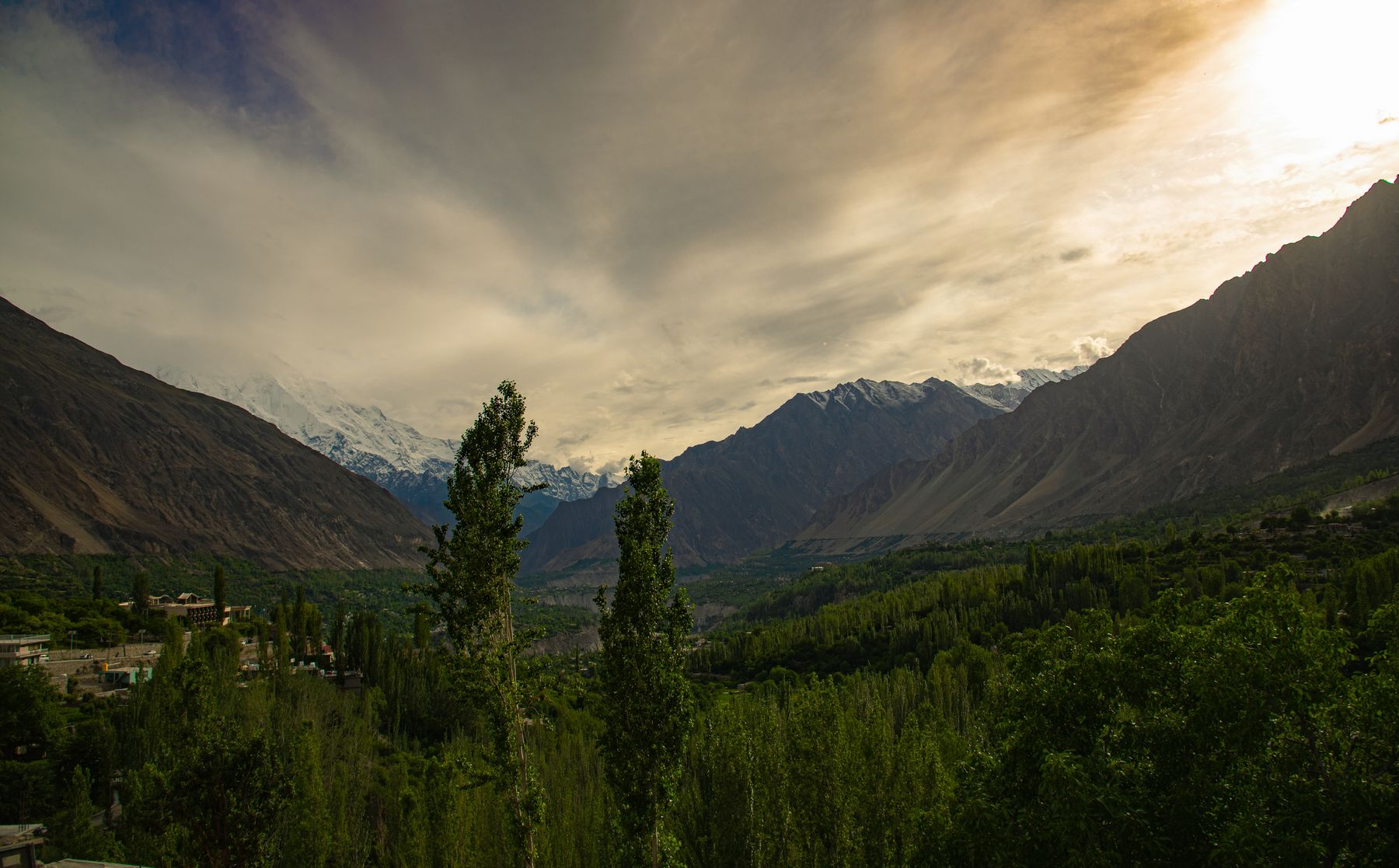
Hunza is a long valley with several villages strung along the Karakoram Highway. Karimabad, with its fort and old bazaar, is the main centre. From here, side valleys lead up towards the high ground. The road to Passu and the Khunjerab Pass continues north, giving access to more remote areas.
Spring and autumn are the usual seasons for wildlife watching. In late winter and early spring, snow leopards may come lower in search of prey. Summer brings shepherds and their flocks to the high pastures, which can disturb the cats. Autumn, after the herds leave, is quieter. Weather changes quickly, and high passes may close.
Travel in these valleys requires some planning. The Karakoram Highway is generally open, but side roads and tracks can be rough. Walking off-trail is not advised without a local guide. Permits are not normally needed for Hunza itself, but areas near the border may require a No Objection Certificate. Rules change, so check current official advice before travelling.
Watching without harm
Snow leopards are shy and sensitive to disturbance. Keep a good distance and use optics rather than approaching. If an animal changes its behaviour because of your presence, you are too close. Never follow fresh tracks into narrow side valleys where you might corner an animal. Back away quietly.
Dogs can chase wildlife and should be kept under control. Litter, including food scraps, attracts scavengers and can alter animal behaviour. Stick to established paths where they exist. In villages, respect private land and ask before crossing fields or orchards.
The best approach is to work with a local guide who knows the terrain and the current situation. Many guides in Hunza have experience with wildlife groups and can judge distances. They also know which areas are closed for conservation or community reasons. A guide improves your chances and reduces your impact.
A wider mountain world
The snow leopard is one of several large mammals in the Karakoram. Ibex and markhor are its main prey, and both can be seen on rocky slopes. The Himalayan brown bear and wolf also occur, though they are even less often encountered. Birds of prey, including lammergeiers and golden eagles, are common overhead.
Conservation in the region depends on local communities. In some valleys, community-based insurance schemes compensate herders for livestock losses, which reduces retaliation against predators. These schemes are not universal, and their details vary. Visitors can support them indirectly by hiring local guides and staying in village guest houses.
The mountains themselves are the main attraction. The Karakoram holds some of the highest peaks in the world, and the views from Hunza are wide. A visit in search of snow leopards is a way to spend time in that landscape, learning its signs and rhythms. Sightings are never guaranteed, but the experience is of a working mountain world.
Where to look
- KarimabadMain village of Hunza with fort and bazaar. A base for side valleys and local guides.
- PassuVillage further north on the Karakoram Highway, near the Passu Cones and glacier views.
- Khunjerab National ParkHigh park on the border with China. Access may require a permit; check current rules.
- ShimshalRemote valley east of Hunza, reached by a rough track. Known for community conservation.
Frequently asked questions
Where can you see snow leopards in the Karakoram?
Snow leopards are found in the high valleys around Hunza, including side valleys towards the Chinese border and areas in Khunjerab National Park. They live above the tree line, usually between 3,000 and 4,500 metres. Sightings are rare and never guaranteed, even with a guide.
What is the best time to look for snow leopards in Hunza?
Late winter and early spring can bring snow leopards lower in search of prey, while autumn is quieter after livestock leave the high pastures. Summer has more people and animals on the move. Weather can change quickly, so plan flexibly and check conditions locally.
Do you need a permit to visit snow leopard areas near Hunza?
Hunza itself generally does not require a permit for foreign visitors, but areas near the border, such as parts of Khunjerab National Park, may require a No Objection Certificate. Rules change, so check current official advice and ask a local guide before travelling to remote valleys.
Find a stay in Hunza
Live prices and availability open in the IMPT app, in a new tab.