Cherry blossom season in Hunza
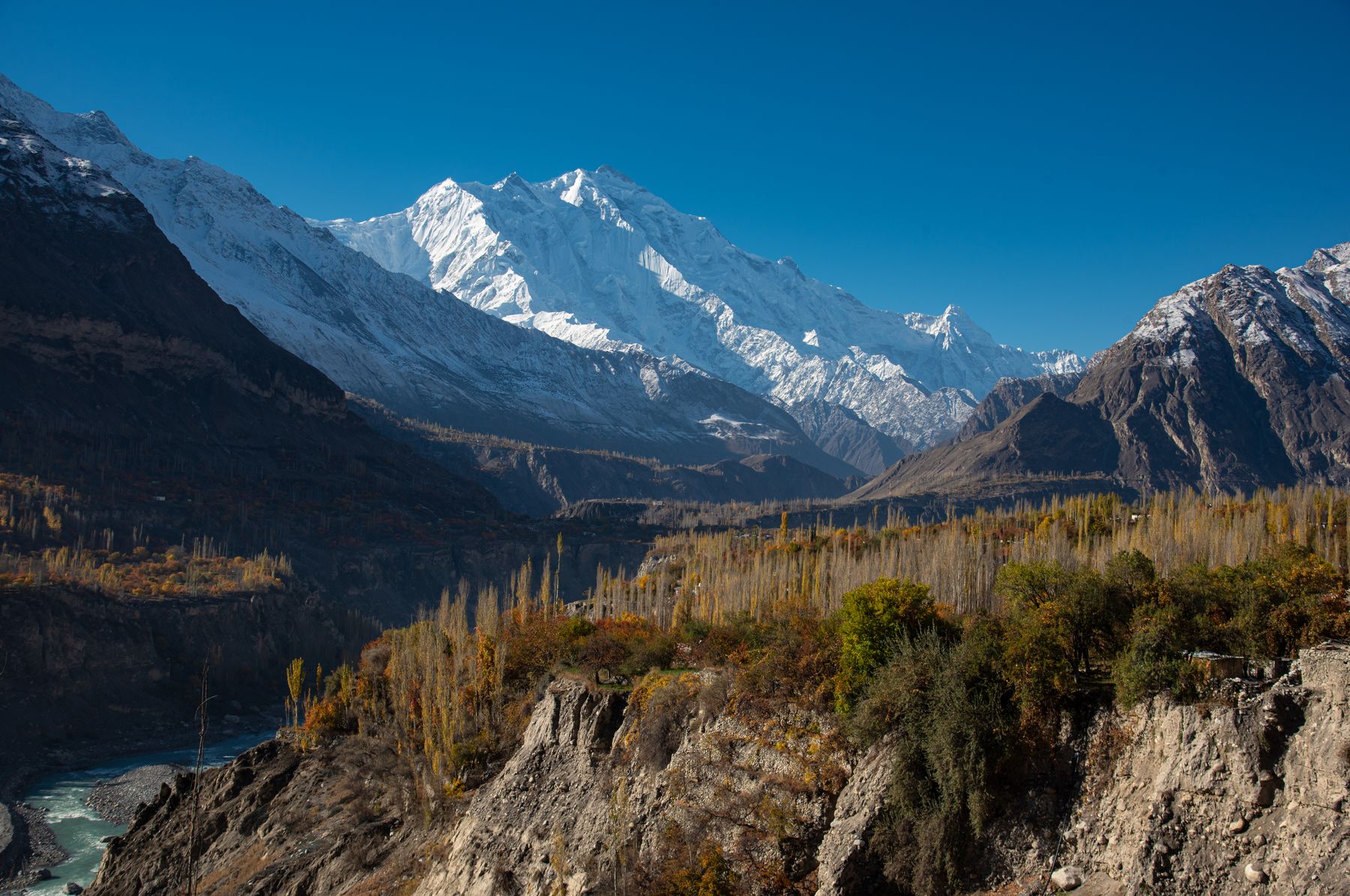
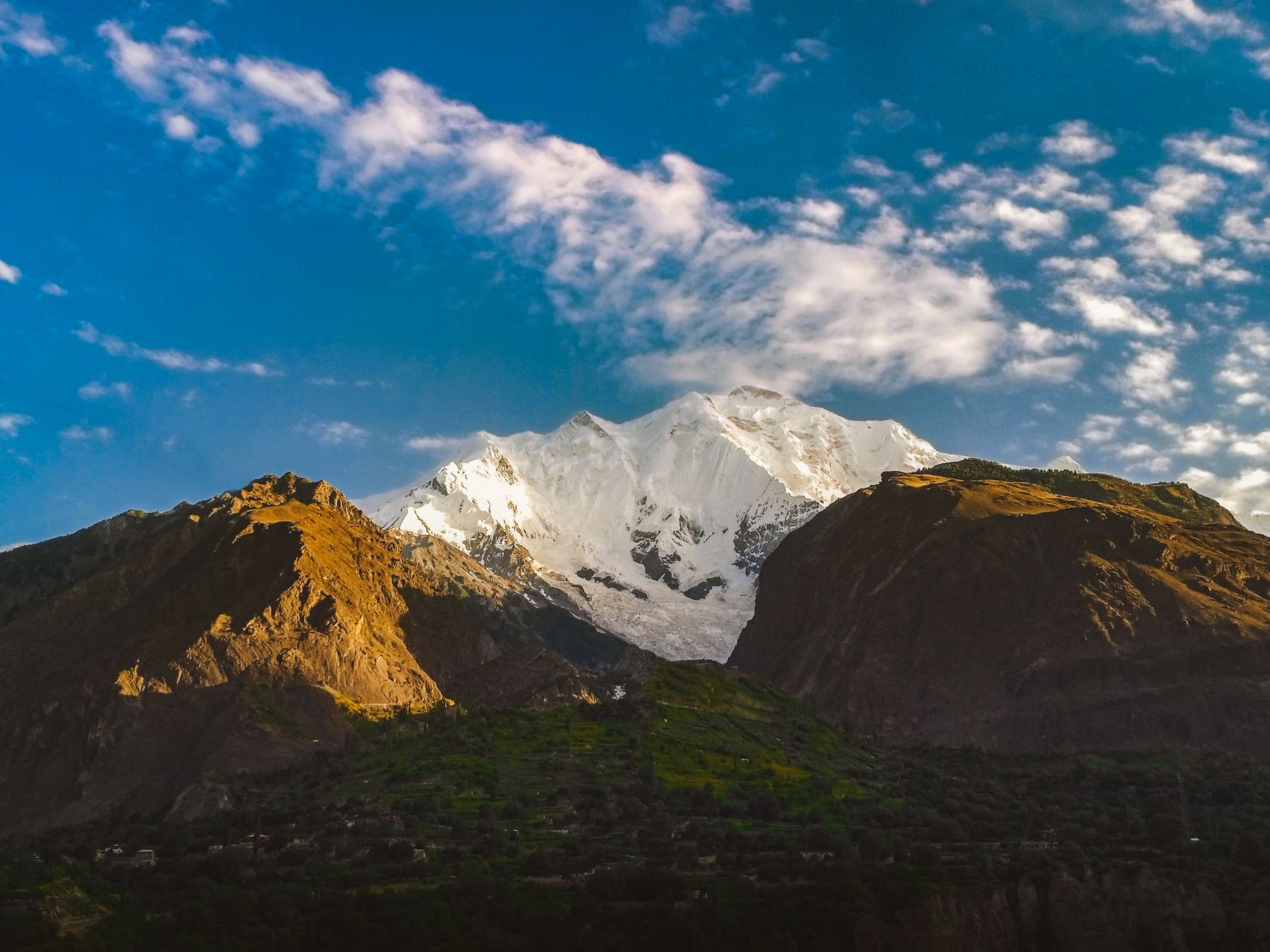
Each spring the valleys below Rakaposhi turn white and pink as apricot and cherry trees flower. The season is short, the weather changeable and the fruit later appears dried, fresh and in jam.
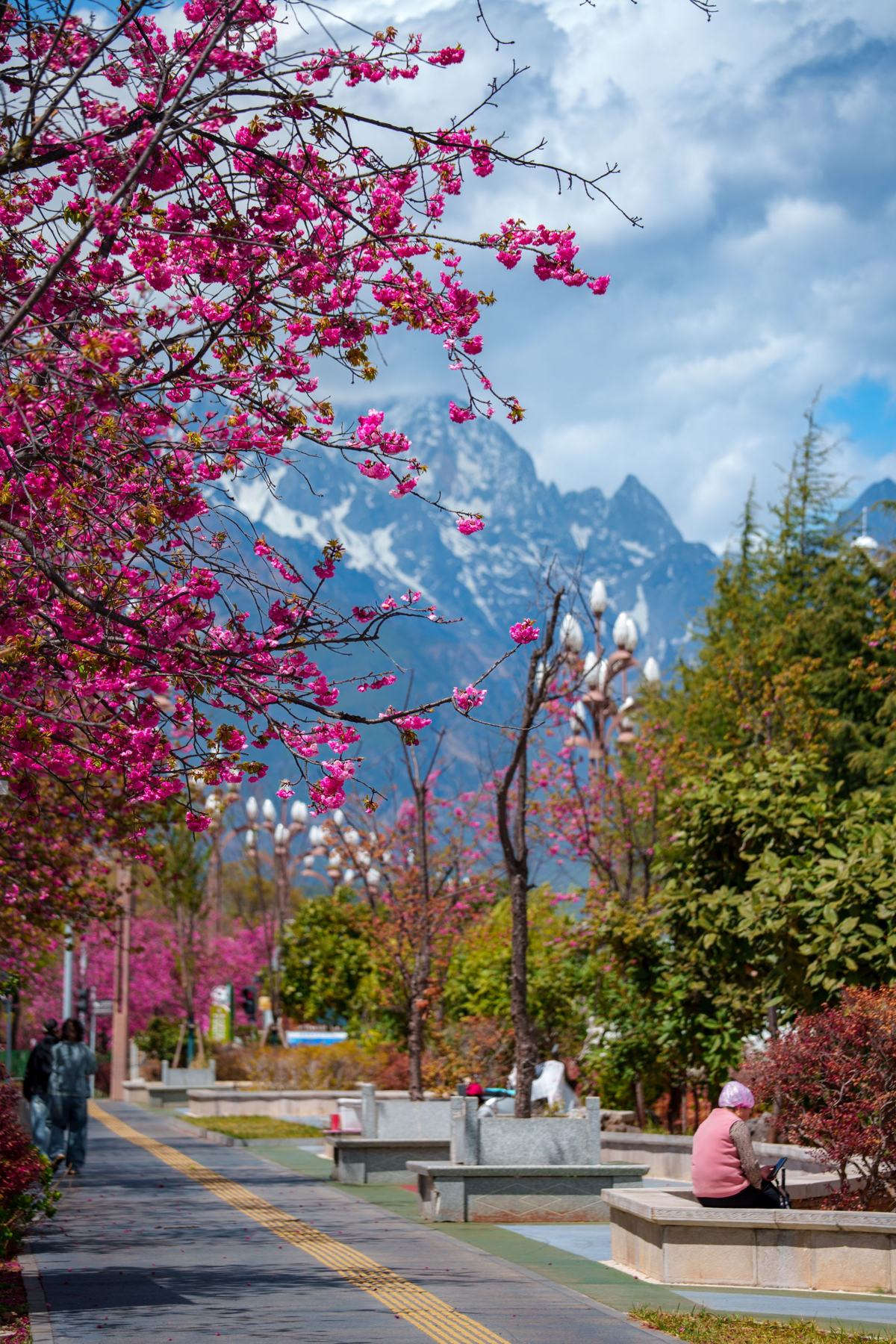 Photo: Richard L / Pexels
Hunza sits in Gilgit-Baltistan along the Karakoram Highway, north of Gilgit and south of the Khunjerab Pass. In spring the valley floor and terraced slopes fill with flowering apricot and cherry trees. The bloom usually begins in late March and runs to mid-April, moving up the valley as temperatures rise. Days are mild, nights cold, and high passes may still be closed.
When the trees flower
The timing of the bloom varies with altitude and the winter's weather. Lower villages such as Aliabad and Karimabad usually flower first, from late March. Higher settlements, including Gulmit and the upper Gojal valley, follow in April. The season is short, often two to three weeks at any one place, and a cold snap or late snowfall can shorten it further. Local knowledge is the best guide, and anyone planning a trip should build in some flexibility.
Cherry and apricot trees are grown for fruit, not only for ornament. They stand in small orchards beside houses, on terraced fields and along irrigation channels. The blossom is white or pale pink, and the trees are often pruned low so that fruit can be reached. In a good year the valley sides look dusted with colour, but the effect is spread out rather than a single carpet.
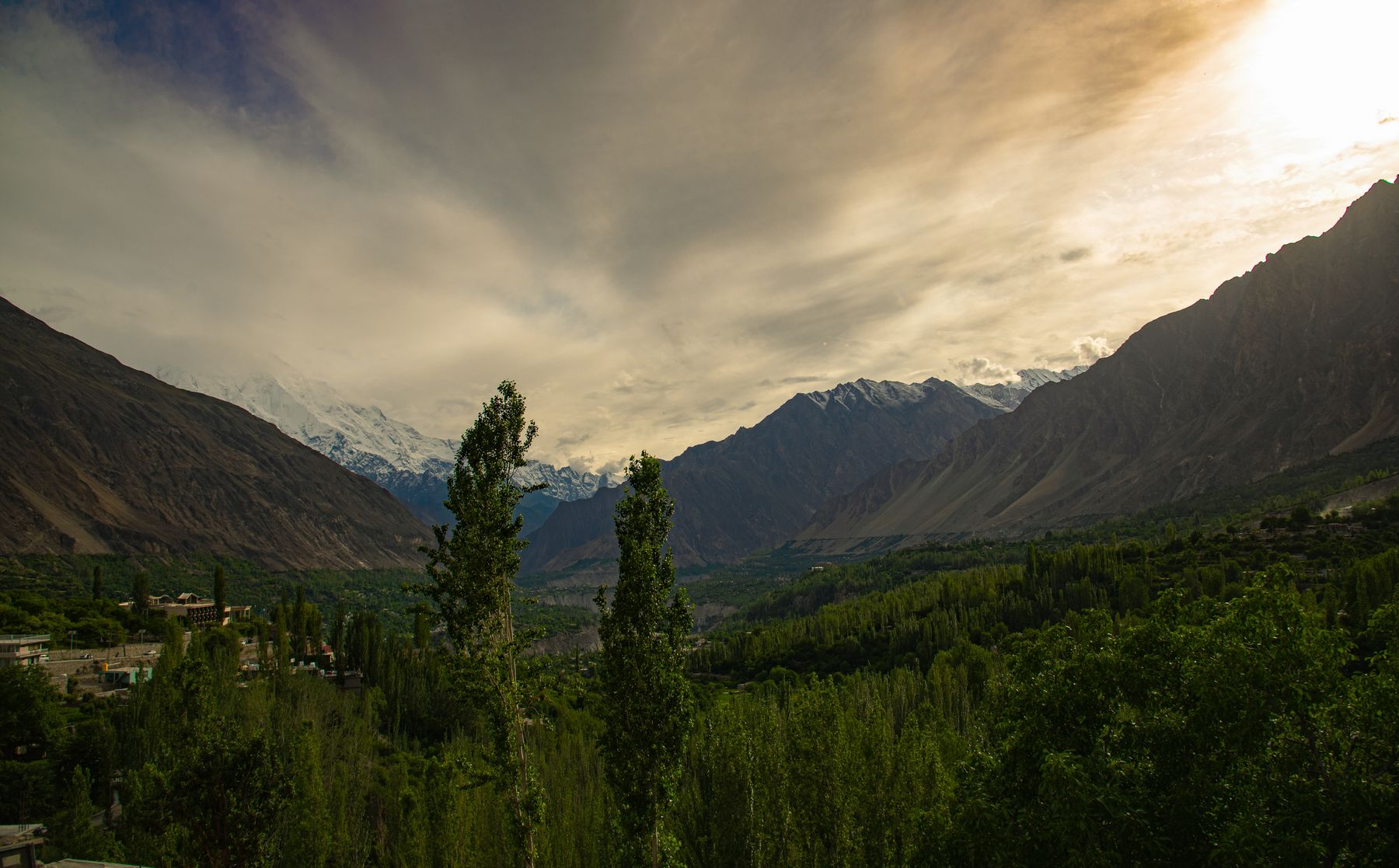
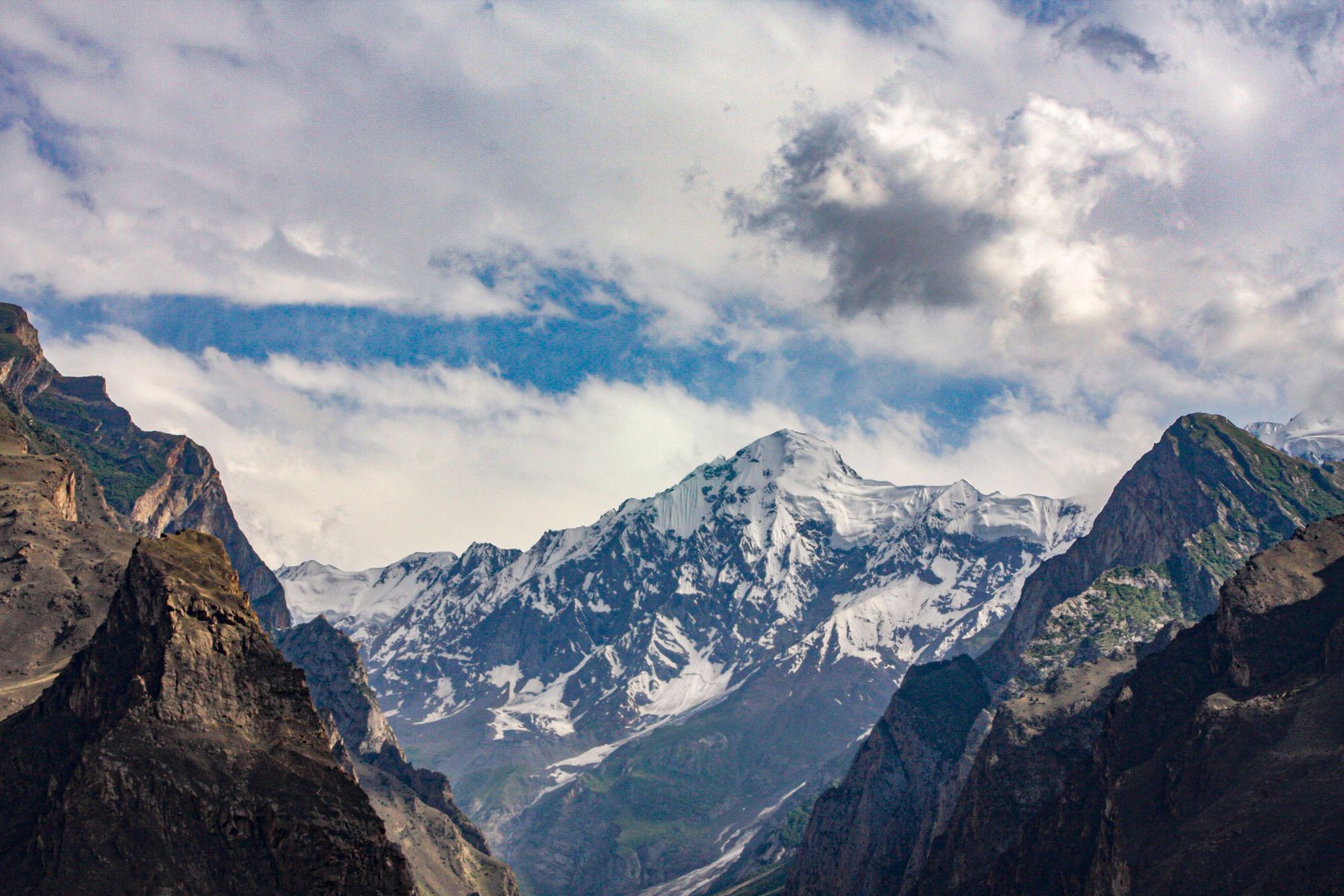
Spring weather in Hunza is changeable. Mornings are often clear, with cloud building over the peaks by afternoon. Rain is possible, and at higher elevations it can fall as snow. Daytime temperatures are mild, but nights remain cold, so warm layers are needed. The Karakoram Highway is generally open, though the Khunjerab Pass towards China usually remains closed until later in spring.
Where to see the blossom
Karimabad, the main town of Hunza, is a good base. The old settlement has narrow lanes, stone houses and views across the valley to Rakaposhi. Orchards lie within walking distance of the bazaar. Baltit Fort and Altit Fort, both restored, stand above the town and give a wider view of the flowering slopes. The forts are open to visitors, and a fee is charged.
North of Karimabad, the valley widens towards Aliabad and Ghulkin. Villages along the highway have apricot and cherry trees in their gardens and fields. Gulkin and Gulmit, further north in Gojal, flower later and offer a quieter setting. The Attabad Lake, formed by a landslide, lies beside the highway and is a stopping point on the road to Sost and the Khunjerab Pass.
The best way to see the blossom is on foot. Local paths link villages and fields, and many orchards are visible from the road. Visitors should ask before entering private land. The blossom is a working season for growers, and trees are fragile. A slow walk through a village, with time to sit and watch, gives a better sense of the season than a rushed drive.
چیری کے پھولCherry blossoms. The phrase is used locally for the spring flowering that marks the start of the fruit year.
What to taste
Apricots are central to Hunza's food culture. Fresh fruit appears in summer, but the dried form is available all year. Dried apricots are sold in bazaars and used in soups and stews. Apricot kernel oil is pressed locally and used in cooking and for skin. The kernels themselves are bitter and are processed before use.
Cherries are eaten fresh when in season, and some are preserved. Local jams and chutneys made from apricot and cherry can be found in small shops. Walnuts, mulberries and apples are also grown in the valley. Bread is baked in tandoor ovens, and a simple meal of bread, butter and apricot jam is common. Tea is served throughout the day, often with salt or milk.
Visitors should not expect cherry-themed menus. The blossom is a sign of the fruit to come, and the harvest is the main event. In spring, the dried fruit of the previous year is still on sale. Trying a handful of dried apricots, or a spoonful of local jam, connects the blossom to the food that follows.
Planning a spring visit
Hunza is reached by road from Gilgit, along the Karakoram Highway. The journey takes several hours and passes through the Hunza valley. Flights to Gilgit are subject to weather and can be cancelled at short notice. From Gilgit, hired transport or local buses continue north. The road to Sost and the Khunjerab Pass is usually open as far as Sost in spring, but the pass itself may be closed.
Accommodation in Karimabad and Aliabad ranges from simple guest houses to small hotels. Book ahead if visiting during the blossom, as the season attracts visitors. Permits are not normally required for Hunza, but rules can change. Areas near the Line of Control and some border districts may require a No Objection Certificate. Check current official advice before travelling.
A spring trip should allow for slow travel. The blossom moves up the valley, so a few days in different villages can extend the season. Mornings are best for photography and for clear views. Afternoons can be cloudy. Evenings are cold. A torch, warm clothing and sturdy shoes are useful. The reward is a working landscape in flower, with the snow still on the high peaks.
The season in context
The blossom is a brief stage in the agricultural year. Apricot and cherry trees are among the first to flower, before the irrigation channels are fully running. The fruit ripens in summer, and the harvest is dried or sold fresh. In autumn the trees lose their leaves, and the valley prepares for winter. The spring bloom is therefore a sign of the year's work beginning.
Hunza's orchards are part of a wider system of terraced farming that depends on glacial meltwater. The rivers and channels that water the fields come from the high mountains. The blossom season is a reminder of that connection. Visitors who come for the flowers also see the irrigation channels, the stone walls and the careful pruning that keep the trees productive.
The season has become a draw for domestic and international travellers. Local organisations and community groups sometimes arrange walks and events. These are not fixed and vary by year. The best approach is to ask in the village or at the place of stay. The blossom is not a spectacle laid on for visitors but a working season that visitors are welcome to share.
Where to find it
- KarimabadThe main town of Hunza, with orchards near the bazaar and views to Rakaposhi. Baltit and Altit forts stand above the valley.
- AliabadA larger settlement north of Karimabad, with gardens and fields along the highway. A practical base for exploring the valley.
- GulmitA village in the upper Gojal valley where the bloom comes later. Quieter than Karimabad and surrounded by terraced fields.
- Attabad LakeA lake beside the Karakoram Highway, formed by a landslide. A stopping point on the road north towards Sost.
Frequently asked questions
When is cherry blossom season in Hunza?
The bloom usually runs from late March to mid-April, starting in lower villages such as Karimabad and Aliabad and moving up the valley. Higher settlements like Gulmit flower later. The season is short and weather-dependent, so allow some flexibility in travel dates.
Do I need a permit to visit Hunza during cherry blossom season?
Hunza does not normally require a special permit for foreign or domestic tourists. However, some border districts and areas near the Line of Control may need a No Objection Certificate. Rules can change, so check current official advice before travelling.
What can I eat in Hunza during cherry blossom season?
Spring is not the main harvest, but dried apricots from the previous year are widely sold, along with apricot jam and kernel oil. Local bread, walnuts and mulberries are also common. Fresh cherries appear later in summer.
Find a stay in Hunza
Live prices and availability open in the IMPT app, in a new tab.