The apricots of Hunza
Apricots colour Hunza's spring and fill its summer markets. The fruit is dried on rooftops, pressed into oil and served at every meal.
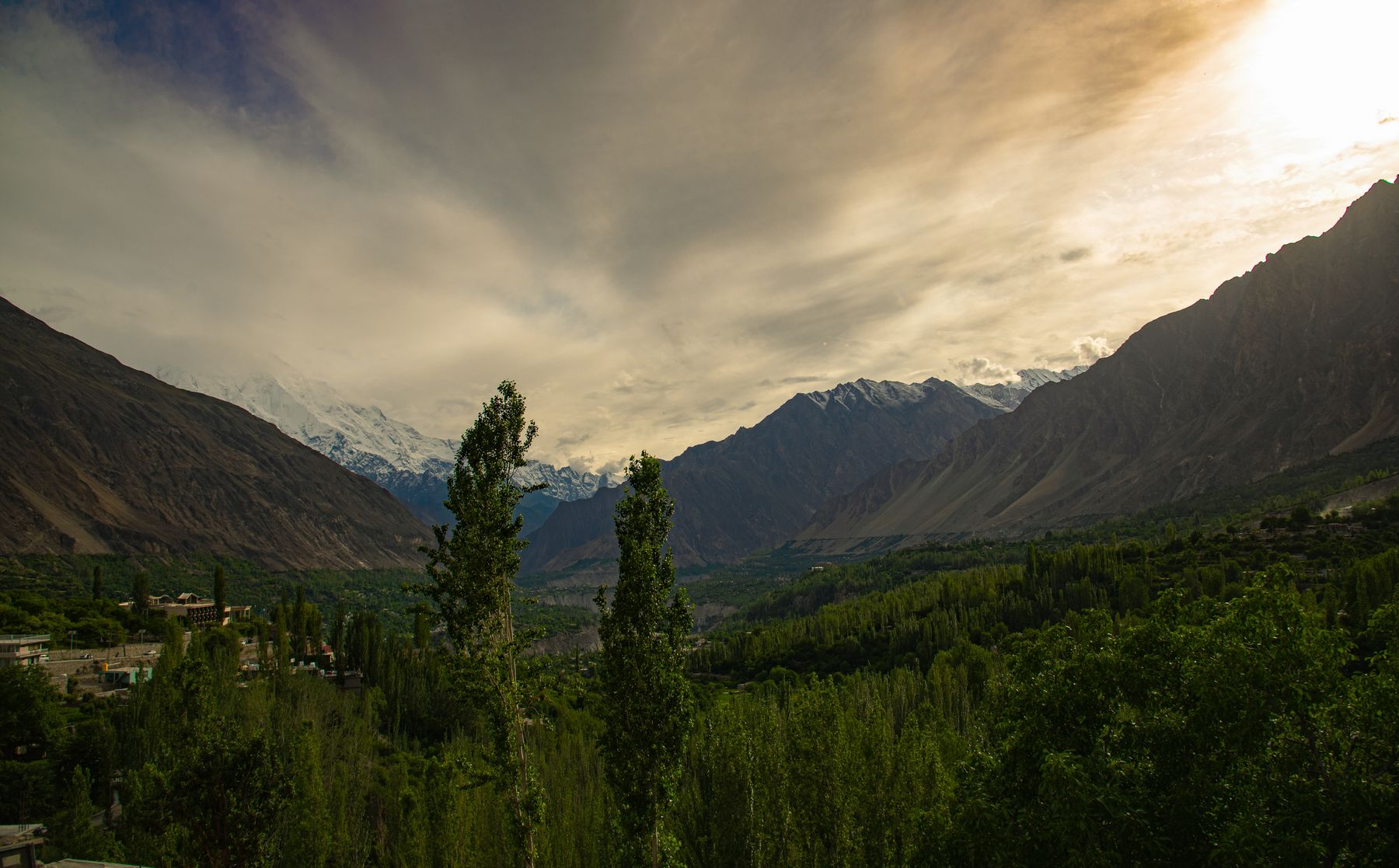 Photo: Wasif Mehmood / Pexels
Hunza runs along the Hunza River in Gilgit-Baltistan, between Gilgit and the Khunjerab Pass. Apricot trees grow on terraces beside the river and in the side valleys. The fruit is central to the local diet and to the small trade that supplies shops in Gilgit and beyond. A visit in the right season shows the valley at work.
Where apricots grow
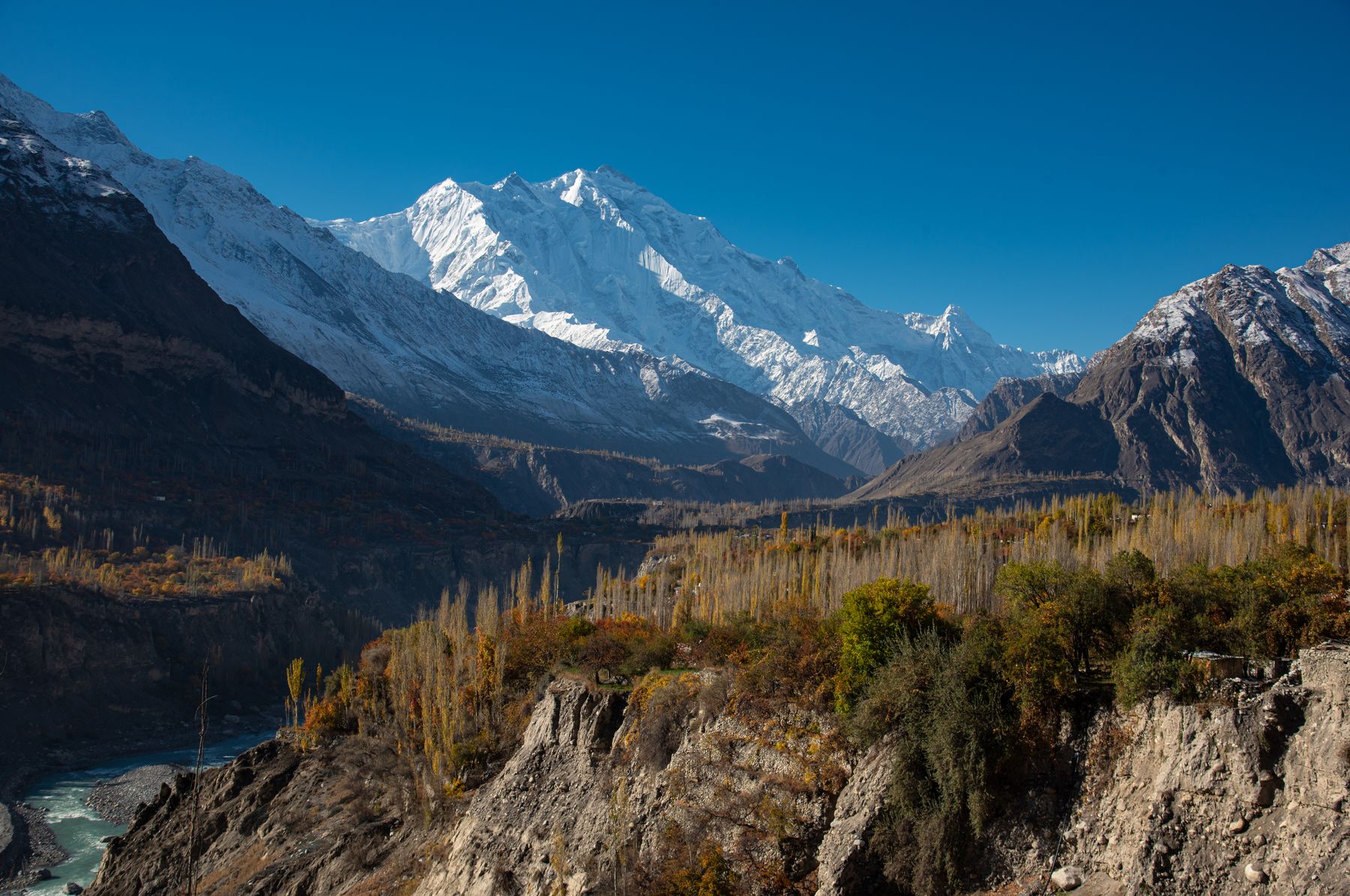
Apricot orchards follow the Hunza River from around Gilgit up to Passu and the villages beyond. Trees stand on terraced fields above the water, often beside walnut and apple. The best-known areas are around Karimabad, Altit and Ganish, where irrigation channels run through the settlements. In spring the trees flower, and in summer the fruit ripens on the branch.
The valley floor is dry, so growers rely on channels that bring meltwater from the high glaciers. These channels, some cut into rock, water the terraces in turn. The apricot is one of the few crops that does well in this short, bright season. Rows of trees mark the edges of fields and the lines of old paths between villages.
Higher side valleys such as around Passu and Shimshal hold smaller orchards. Fruit there ripens later than in the main valley. Travel between villages is by the Karakoram Highway or on foot along old tracks. The trees are part of the landscape, not a separate crop in walled farms.
Spring blossom and summer fruit
Apricot blossom usually opens in late March and early April, depending on altitude and the year. The trees flower before the leaves appear, so the terraces turn pale pink and white for a short period. Nights remain cold, and late snow can fall. The blossom is brief, often less than two weeks, and moves up the valley as the season advances.
By July and August the fruit is ripe in the main valley. Apricots are picked by hand and eaten fresh, sold in local markets or dried for storage. The harvest is a household task, with families working in the orchards and on the flat roofs where fruit is spread to dry. In a good year the trees carry more fruit than can be eaten fresh.
The dried fruit lasts through the winter and is used in soups, stews and snacks. Some apricots are split and stoned before drying, others are dried whole. The kernels are also kept. The season ends by early autumn, when the trees lose their leaves and the valley prepares for winter.
خوبانی کا موسمThe apricot season, a short window that shapes the valley's year.
Drying, kernels and oil
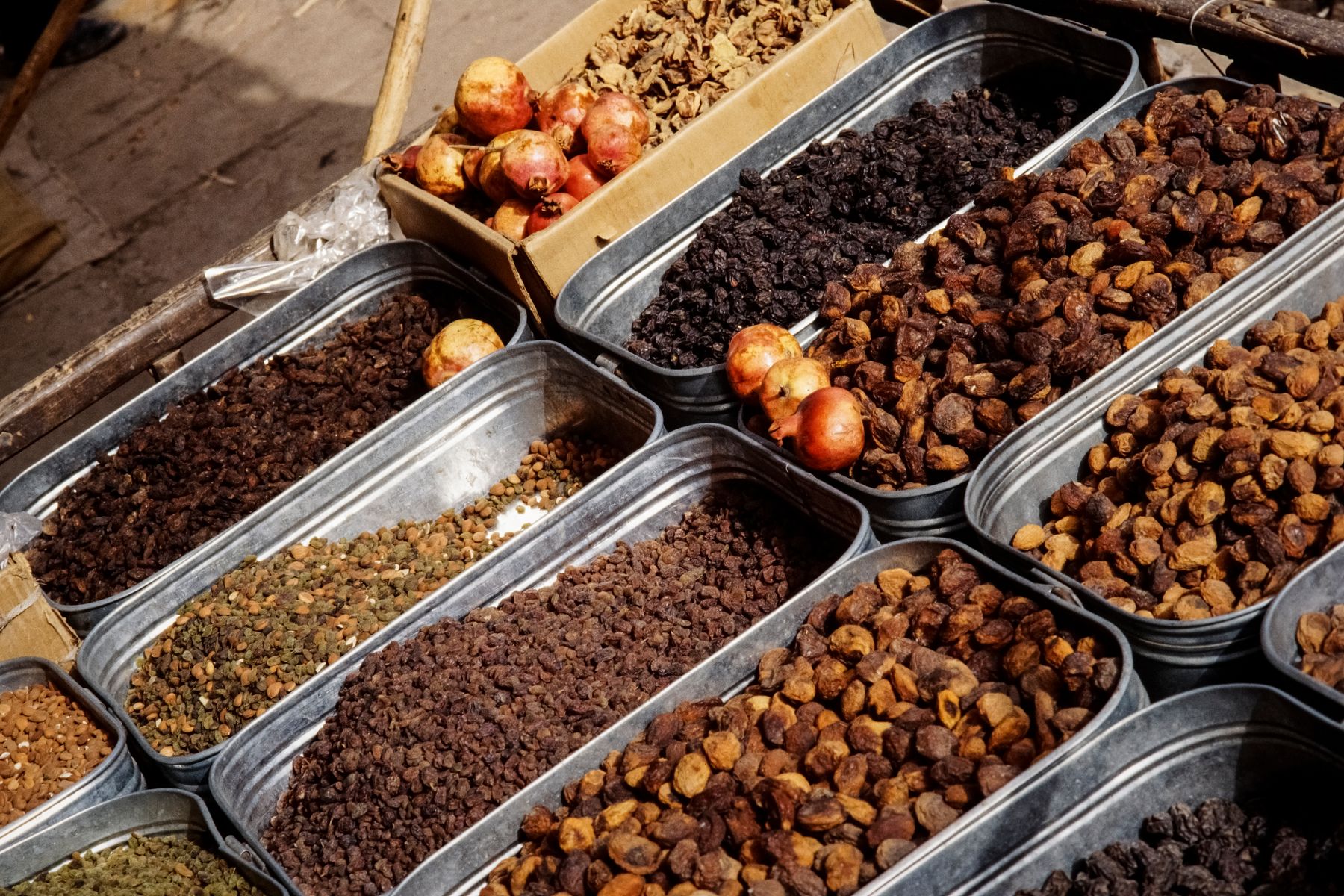
Drying is the main way to preserve apricots in Hunza. Fruit is halved and laid on rooftops, wooden platforms or cloths in the sun. Whole apricots may be threaded on strings and hung under the eaves. The dry air and strong sun mean the fruit dries without spoiling. The result is a chewy, tart-sweet product that keeps for months.
Apricot kernels are cracked open for the nut inside. Some kernels are sweet and eaten as snacks, while others are bitter and used for oil. Bitter kernels contain a compound that can be harmful if eaten in quantity, so they are processed rather than eaten raw. The oil pressed from bitter kernels is used for cooking and for skin care in small local workshops.
The kernel oil has a long history in the valley. It is pressed in simple wooden or metal presses, often by hand. The oil is sold in small bottles at local shops and markets. The leftover press cake may be used as fuel or animal feed. The processing is small scale and tied to the apricot harvest.
Tasting apricots in the valley
Fresh apricots appear in markets and roadside stalls from July. They are small, often with a deep orange colour and a strong flavour. In Karimabad and Aliabad, shops sell dried apricots, kernels and kernel oil alongside other local produce. The dried fruit is sold by weight from sacks or boxes. Visitors can taste before buying at many stalls.
Apricot products appear in local dishes. Dried apricots may be added to soups or rice, and the kernels are sometimes served with tea. The oil is used in some traditional dishes. In summer, fresh fruit is eaten at home and offered to guests. The taste is more intense than imported varieties, with a balance of sweetness and acidity.
The apricot season is short, but dried fruit and oil are available for most of the year. Markets in Gilgit also stock Hunza apricots, and some shops in Islamabad and other cities sell them as a regional speciality. Buying directly in the valley supports small growers and processors. The fruit is part of the local economy, not just a souvenir.
Visiting the orchards
Spring and summer are the main seasons for apricot travel. Blossom time in late March and April brings cold nights, so warm clothing is needed. The fruit season from July to August is warmer, with daytime temperatures pleasant in the valley. The Karakoram Highway connects Gilgit to Karimabad and Passu, and local transport runs between villages.
Visitors can walk through terraced fields and along irrigation channels, but orchards are private land. Ask before entering a field or picking fruit. The old settlements of Altit and Ganish have narrow lanes and traditional houses, with trees in between. The Baltit Fort in Karimabad looks over the valley and its orchards.
Travel in Gilgit-Baltistan is generally straightforward on the main highway, but side valleys and border areas may require permits or have restrictions. Rules change, so check current official advice before travelling. The apricot harvest is a working time, and visitors should respect the pace of village life. The fruit is best tasted where it grows.
Where to find apricots
- KarimabadThe main town of Hunza with markets selling dried apricots and kernel oil. Orchards stand on terraces below the Baltit Fort.
- AltitAn old settlement below the Altit Fort, with narrow lanes and apricot trees among the houses. A quiet place to walk in blossom time.
- GanishA historic village near Karimabad with a cluster of old houses and watchtowers. Apricot orchards surround the settlement.
- PassuA village further up the Karakoram Highway, where orchards ripen later than in the main valley. Views of the Passu Cones.
- AliabadThe commercial centre of Hunza, with shops and stalls selling local produce including dried apricots and kernels.
Frequently asked questions
When is apricot season in Hunza?
Blossom usually appears from late March to mid-April, depending on altitude. Fresh fruit ripens from July to August in the main valley. Dried apricots and kernel oil are sold for most of the year in local markets.
Where can you taste Hunza apricots?
Markets in Karimabad, Aliabad and Gilgit sell fresh and dried apricots. Many shops offer tastes before buying. Dried fruit and oil are also available in some cities outside the region.
Are apricot kernels safe to eat?
Sweet kernels are eaten as snacks, but bitter kernels contain a compound that can be harmful if eaten in quantity. They are processed for oil rather than eaten raw. Visitors should buy processed products from established sellers.
Find a stay in Hunza
Live prices and availability open in the IMPT app, in a new tab.