K2 and the Concordia trek, explained
The walk from Skardu to Concordia leads to the throne room of the mountain gods, where K2 and three other 8,000 m peaks surround the Baltoro glacier.
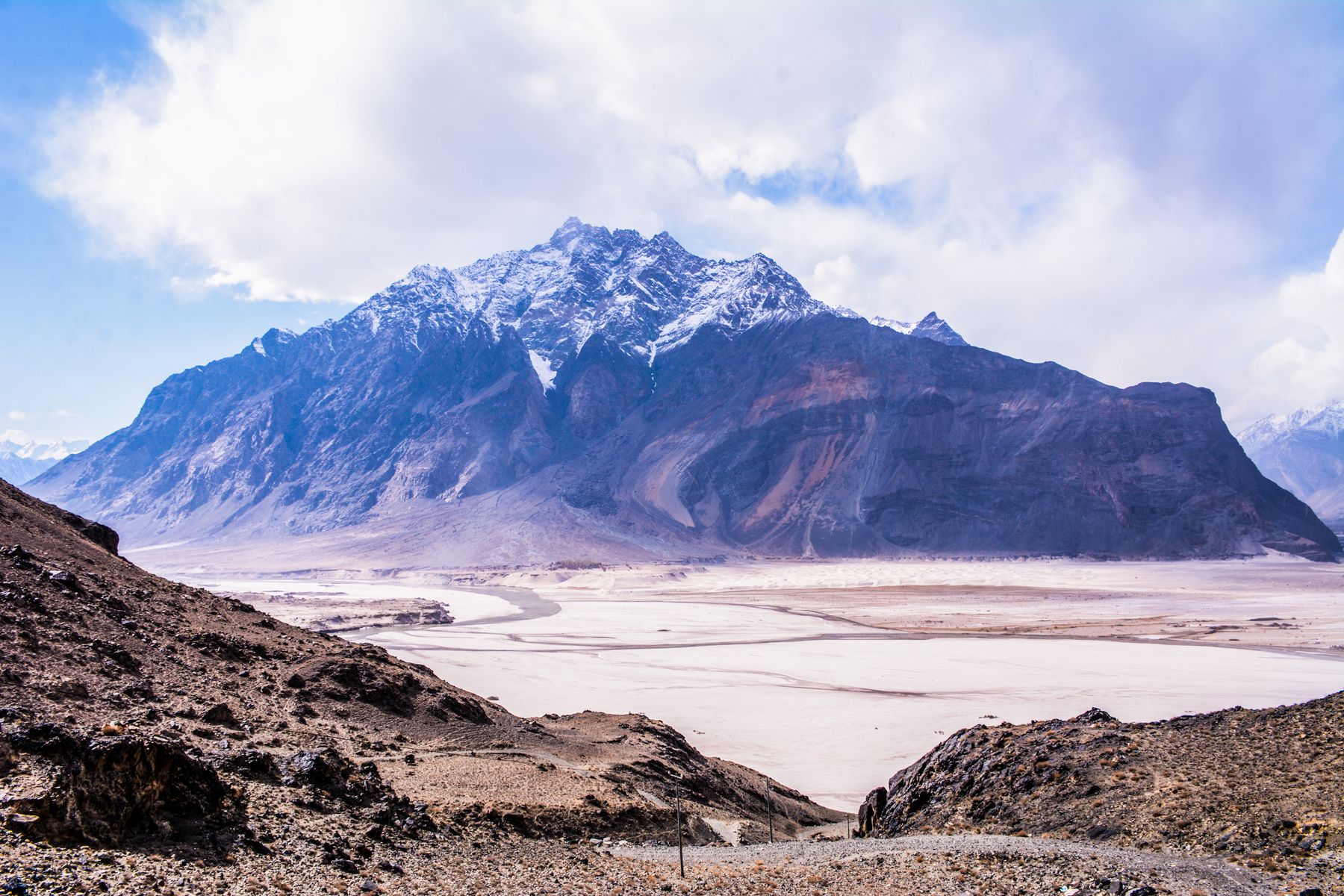 Photo: USA Studio / Pexels
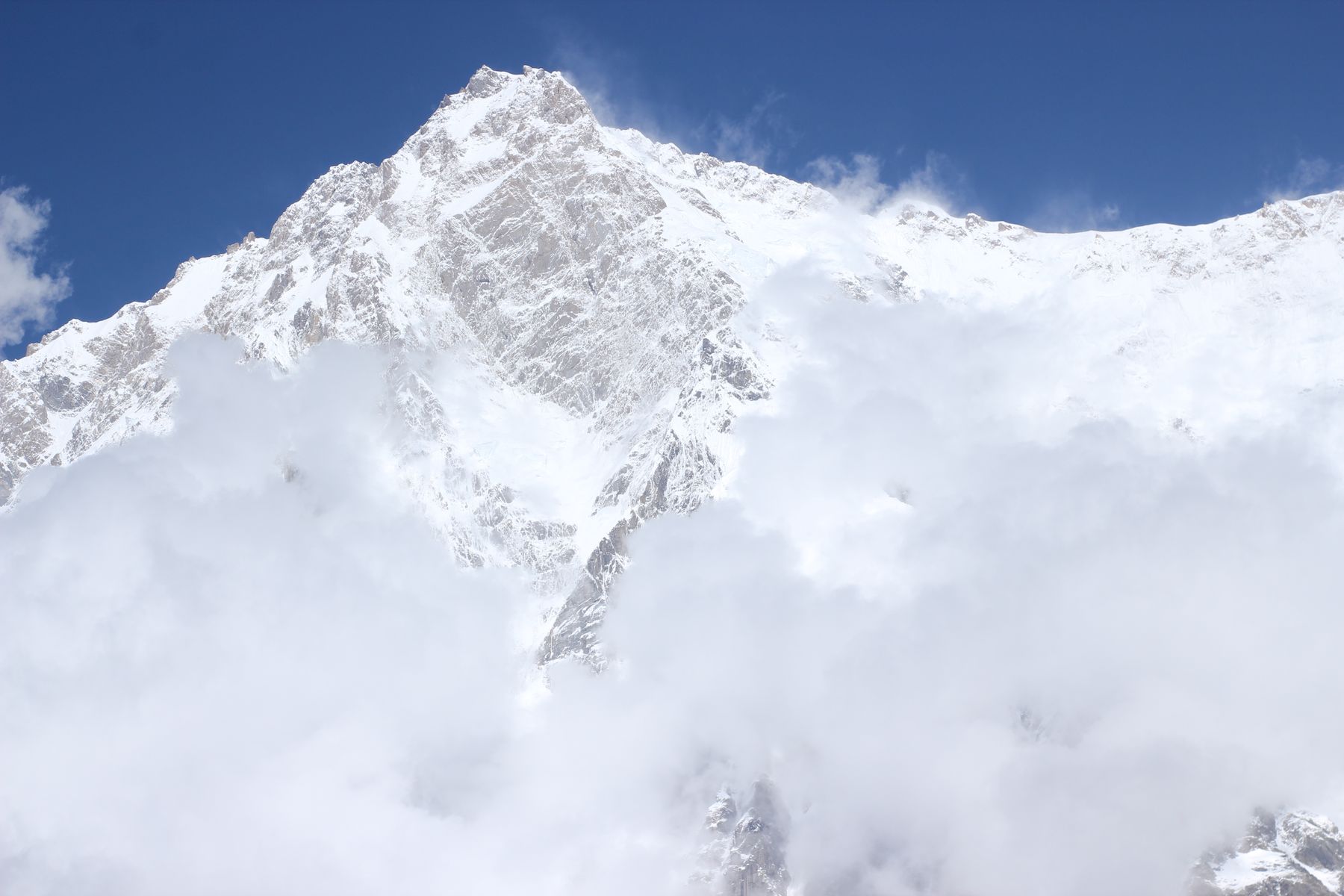
Concordia is the name given to the junction of the Baltoro and Godwin-Austen glaciers in the Karakoram. From this point, four of the world's fourteen peaks above 8,000 metres are visible: K2, Broad Peak, Gasherbrum I and Gasherbrum II. The trek from Skardu to Concordia is one of the longest glacier walks in the world, and it ends at the foot of K2, the second-highest mountain on earth.
The route from Skardu
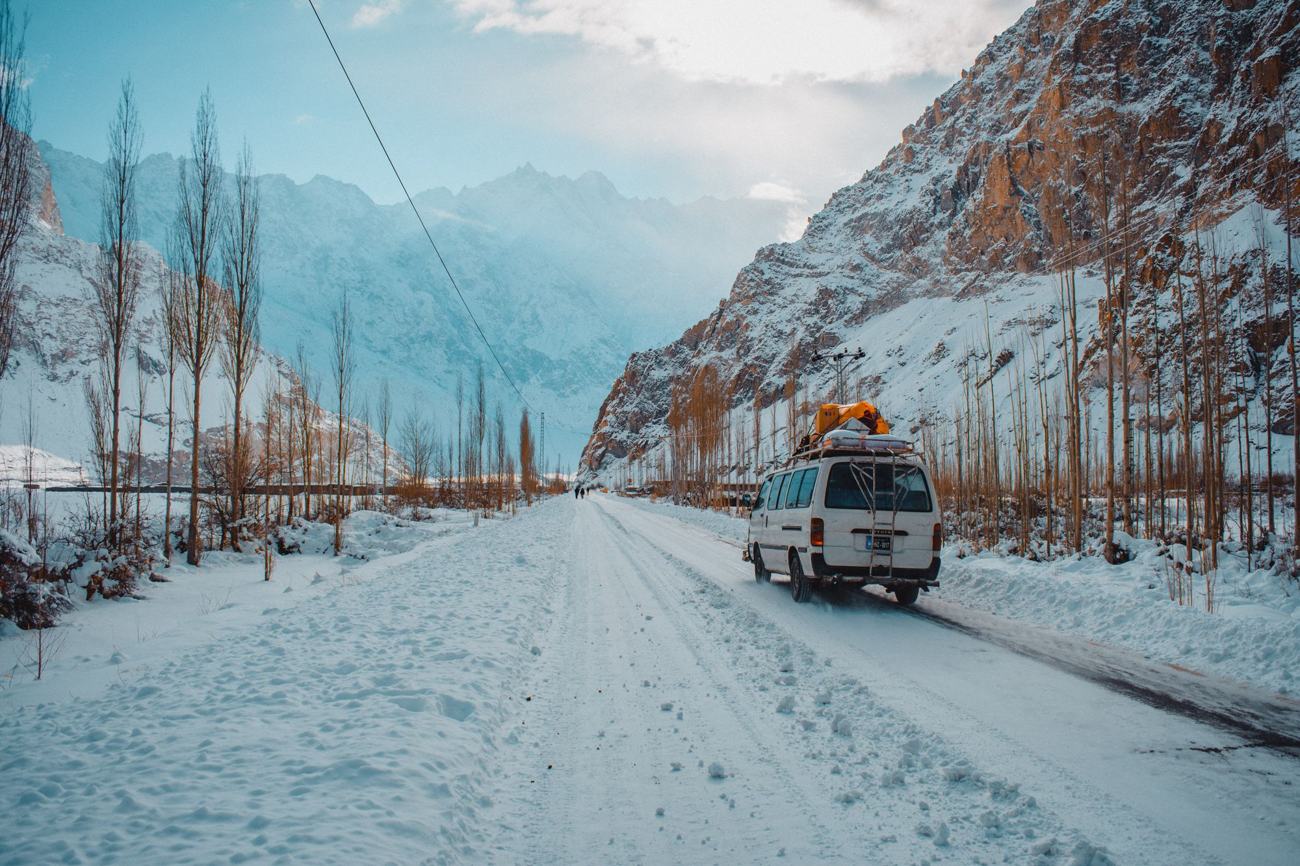
The journey begins in Skardu, the main town of Baltistan, where the Indus River meets the Shyok. From Skardu, a jeep track follows the Shyok and then the Braldu river east to the village of Askole, the last settlement on the route. The drive takes several hours and passes through narrow gorges and small villages. Askole sits at around 3,000 metres, surrounded by irrigated fields of barley and apricot trees.
From Askole, the trail follows the Braldu river upstream. The first days are on moraine and loose rock, with several river crossings on rope bridges. The route passes the villages of Korophon and Jhula, where basic campsites are used. The vegetation thins quickly. After the snout of the Baltoro glacier is reached, the walk continues on the glacier itself, marked by cairns and occasional rope fixes.
The full trek from Askole to Concordia usually takes seven to nine days, depending on acclimatisation and weather. Most itineraries include a rest day at Paju or at Urdukas, a grassy campsite on a moraine ridge with a view of the Trango Towers. From Urdukas, the route continues along the glacier to Concordia, where the Baltoro and Godwin-Austen glaciers meet.
What you see at Concordia
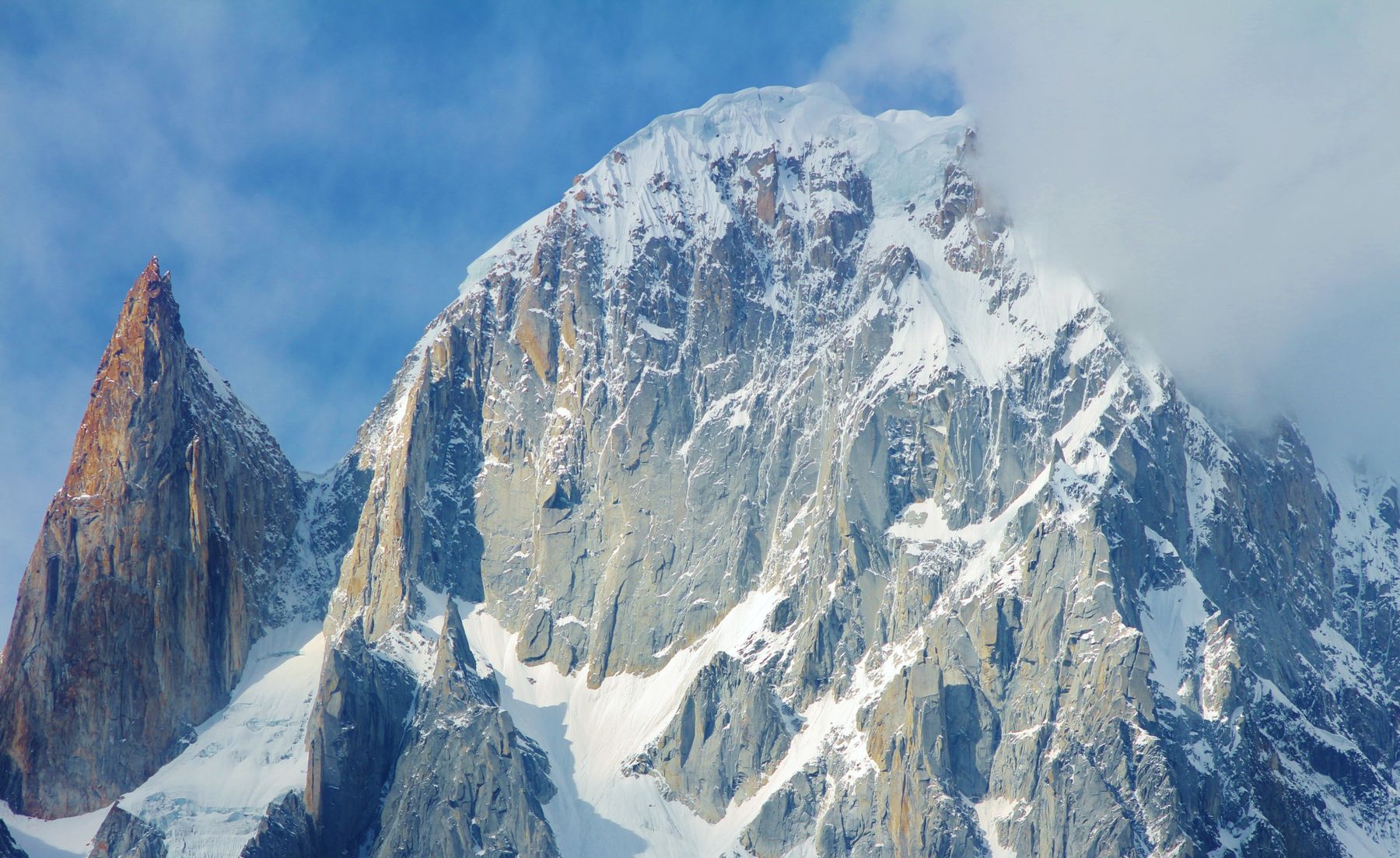
Concordia is not a village or a single place but a wide, stony basin where two glaciers merge. The campsite sits on the glacier, surrounded by ice and rock. From here, the view opens to K2 to the north-east, Broad Peak to the east and the Gasherbrum group to the south-east. The Trango Towers and Cathedral Peak stand to the west. The scale is difficult to judge until you notice how small the porters appear against the ice.
The K2 base camp is a further two to three hours from Concordia, at around 5,000 metres. The walk crosses the Godwin-Austen glacier, with crevasses and seracs visible on either side. The base camp itself is a flat area of moraine where expeditions set up their tents in summer. From the base camp, the Abruzzi Spur on K2 is visible, the route first climbed in 1954 by an Italian expedition.
The glacier is not static. The surface is covered with rubble and the ice moves slowly, opening crevasses that are bridged with ladders and ropes by guides. The route can change from season to season. The views of K2 are often clearest in the early morning before cloud builds over the peaks.
پہاڑوں کا تختThe throne of the mountains, a local name for the Concordia amphitheatre.
Seasons and conditions
The trekking season runs from late June to early September, when the summer monsoon is mostly blocked by the Himalaya and the Karakoram stays dry. July and August are the warmest months, but weather can change quickly. Snow can fall at Concordia even in midsummer. Daytime temperatures at Concordia are often around 10°C, while nights drop below freezing.
The approach to Askole is usually open from May, but the glacier route is best attempted after the snow has melted from the lower moraine. Early season brings more snow bridges and fewer trekkers. Late season, in September, has more stable weather but colder nights. The peak climbing season for K2 is July and August, when expeditions are in base camp.
Acclimatisation is important. The route gains altitude gradually, but Concordia at around 4,600 metres is high enough to cause altitude sickness. Most itineraries include rest days and a slow ascent. Guides carry oxygen and a portable altitude chamber on some treks. It is essential to allow extra days for weather and to listen to the guide's advice.
Permits and practicalities
The Concordia trek lies in Gilgit-Baltistan. A trekking permit is required for the Baltoro glacier and Concordia, and a licensed guide must accompany trekkers. The permit is usually arranged through a local tour operator in Skardu or Islamabad. Porters are hired in Askole, and their loads are limited by the guide association. It is important to use a reputable operator that treats porters fairly.
The trek is physically demanding. The route is long, the terrain is rough and the altitude is high. Previous trekking experience is useful but not essential. Fitness training before the trip helps. The glacier travel requires care, and some sections are marked with ropes. Guides assess the conditions daily and may change the route if necessary.
Accommodation is in tents for the entire trek. Food is carried by porters and cooked by a camp cook. The diet is usually simple: lentils, rice, chapattis, tinned vegetables and sometimes fresh meat from Askole. Boiled water is available, but water from streams should be treated. There are no shops or facilities after Askole, so all supplies must be carried in.
Skardu as a base
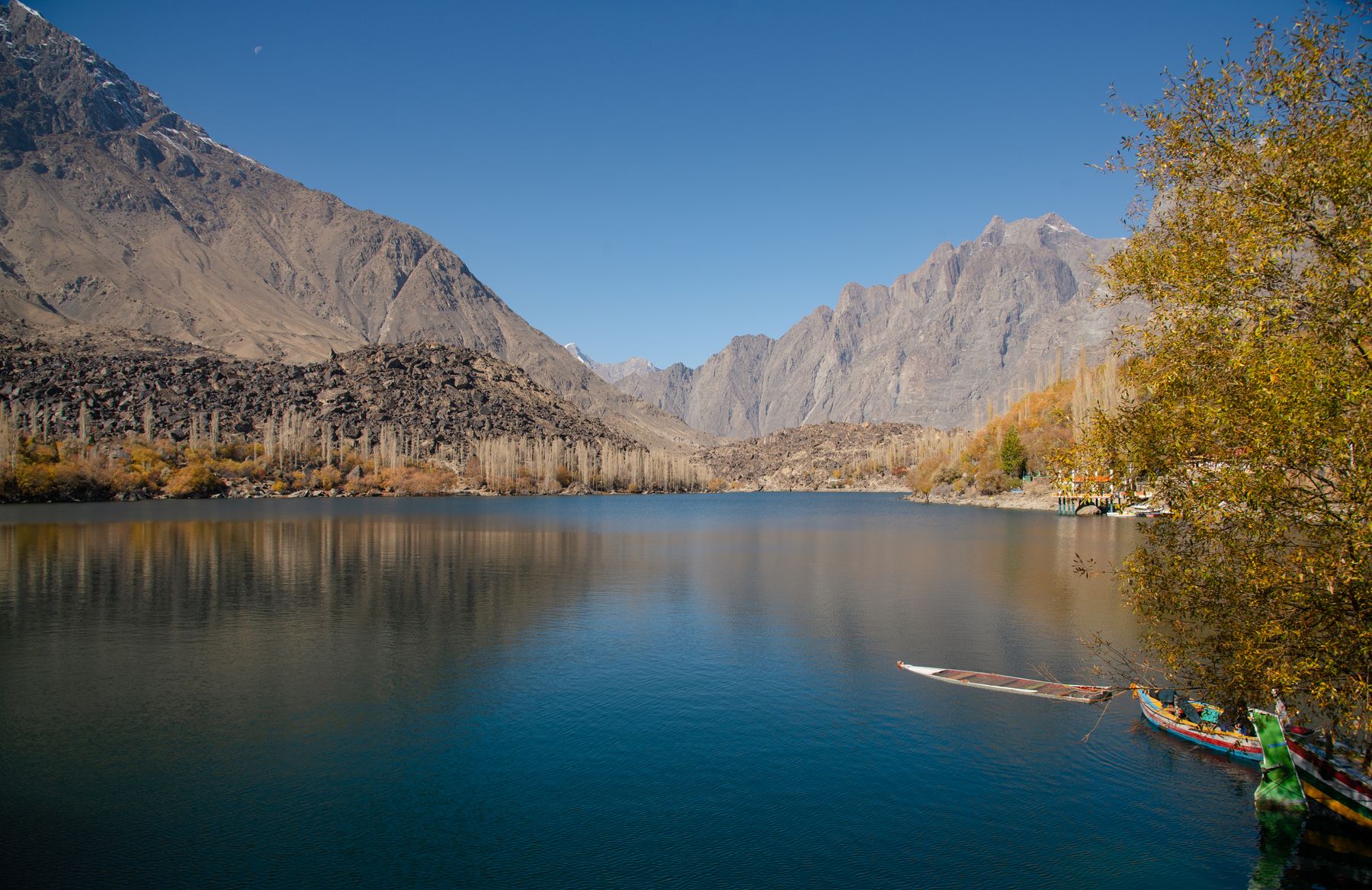
Skardu is the starting point for the trek and the place to arrange permits, hire guides and buy last-minute supplies. The town has a bazaar, a fort and several small hotels. The altitude is around 2,200 metres, which helps with the first stage of acclimatisation. The views from the town include the Indus River and the nearby mountains.
The food in Skardu reflects Balti and Ladakhi influences. Local dishes include apricot soup, buckwheat bread and walnut chutney. The bazaar sells dried fruit, nuts and trekking snacks. There are also simple restaurants serving Pakistani staples such as daal, sabzi and chicken karahi. Fresh fruit is available in summer from the orchards around the town.
Skardu is reached by air from Islamabad, weather permitting, or by road along the Karakoram Highway and then the Skardu road. The road journey takes two days with an overnight stop. The airport is small and flights are often cancelled due to weather. It is wise to allow extra days for the road journey in case flights are cancelled.
Where to find it
- SkarduThe main town of Baltistan, where permits are arranged and the trek begins.
- AskoleThe last village on the route, where porters are hired and loads weighed.
- UrdukasA grassy campsite on a moraine ridge with views of the Trango Towers.
- ConcordiaThe junction of the Baltoro and Godwin-Austen glaciers, surrounded by 8,000 m peaks.
- K2 base campA further two to three hours from Concordia, at around 5,000 metres.
Frequently asked questions
How long does the Concordia trek take?
The trek from Askole to Concordia usually takes seven to nine days, with the return journey taking five to six days. Most itineraries include rest days for acclimatisation. The full trip from Skardu, including road travel, typically takes three weeks.
Do you need a permit for the Concordia trek?
Yes, a trekking permit is required for the Baltoro glacier and Concordia. A licensed guide must accompany trekkers. Permits are arranged through a local tour operator. Rules can change, so check current official advice before planning.
What is the best time to trek to Concordia?
The season runs from late June to early September, when the Karakoram is mostly dry. July and August are warmest, but snow can fall at any time. Early season has more snow, while September has stable weather but colder nights.
Find a stay in Skardu
Live prices and availability open in the IMPT app, in a new tab.