The Peshawari chappal
A guide to the Peshawari chappal, the leather sandal that has been made in Peshawar for generations, and where to see the craft in the city.
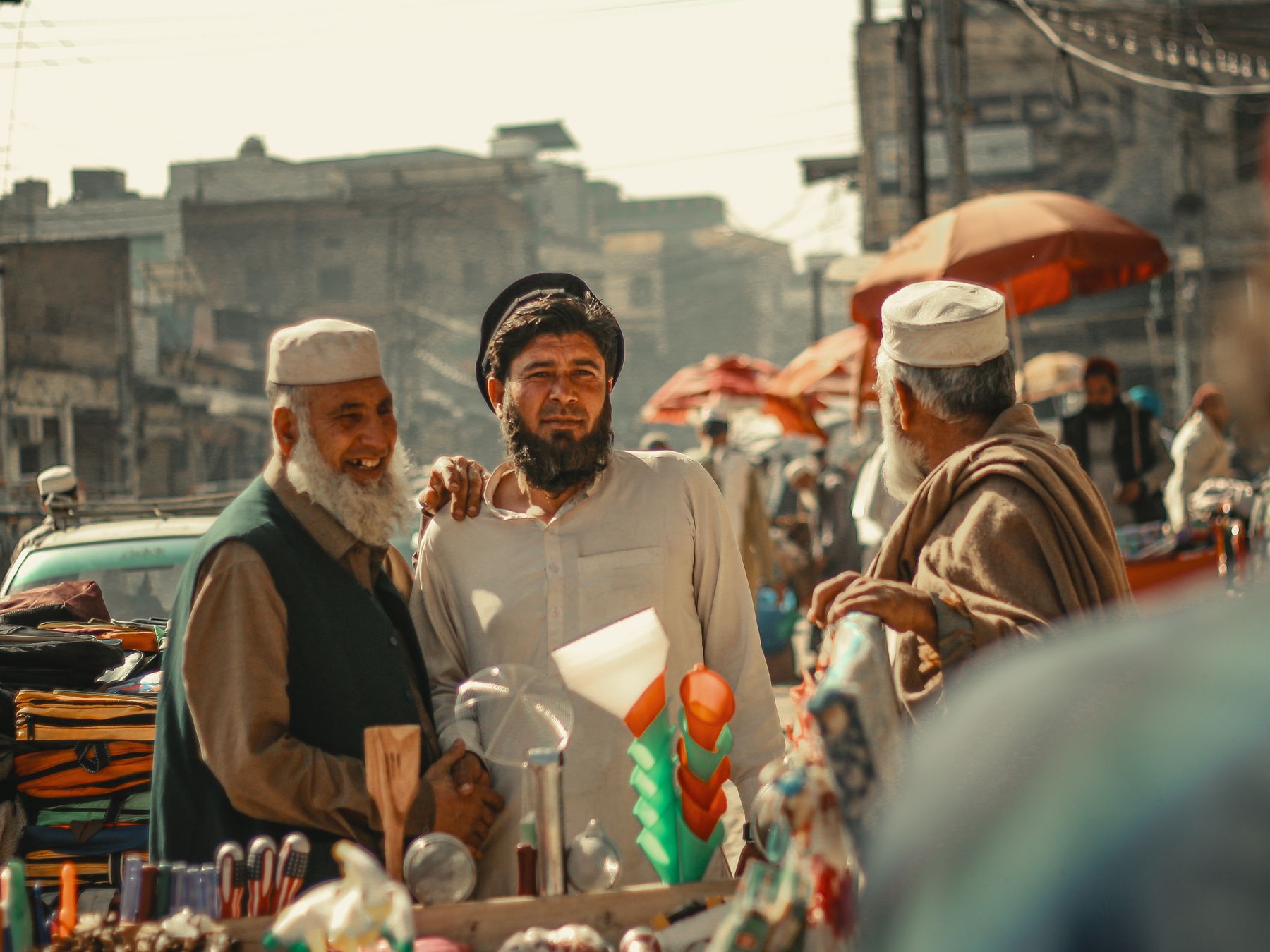
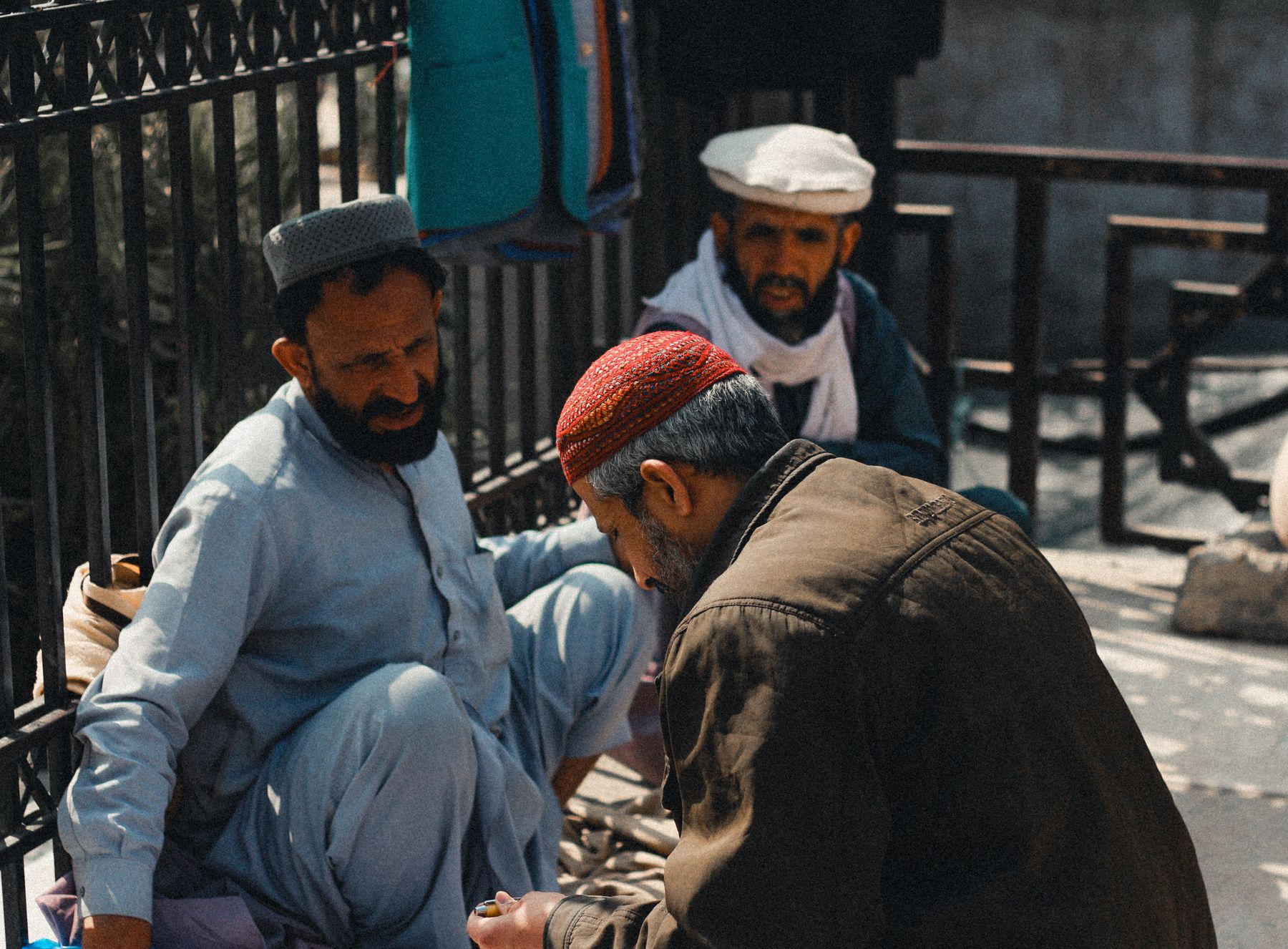 Photo: Muhammad Shamaoon Malik / Pexels
The Peshawari chappal is a leather sandal with a flat sole and a wide strap across the foot. It is made and sold in Peshawar, the capital of Khyber Pakhtunkhwa, and has become one of the city's best-known products. The sandal is simple in shape but the leather is often of high quality and the stitching is done by hand.
Design and materials
The Peshawari chappal is a single-piece leather sandal. The sole is usually made from buffalo hide, which is hard-wearing and stiff at first. The upper is cut from softer leather, often cowhide or goat skin, and is shaped to cover the top of the foot with a broad band. The two parts are stitched together with strong thread, and the edges are sometimes left raw or burnished.
The sandal has no heel and no fastening. It is slipped on and held by the strap over the instep. This makes it cool in summer and easy to remove, which suits the hot climate of Peshawar. The leather softens with wear and takes the shape of the foot. Many pairs are made in natural tan, but black, brown and other colours are also common.
The design is related to sandals worn across northern Pakistan and Afghanistan, but the Peshawari version is known for its thick sole and clean lines. It is worn by men and women, though the men's style is more widely sold. In recent years, lighter soles and more decorative straps have appeared for the fashion market.
Where the craft is practised
The sandals are made in small workshops in the old city of Peshawar, particularly in the lanes around Chowk Yadgar and the bazaars of the walled city. Many workshops are family businesses that have operated for several generations. The work is divided: some workshops cut and stitch the uppers, others make the soles, and some assemble the finished sandal.
Leather is sourced from tanneries in Peshawar and nearby areas. The hide is treated and cut before it reaches the sandal makers. In the workshops, you can see the leather being cut with knives and shaped by hand. The stitching is often done on simple machines or by hand, and the finished sandals are stacked in bundles for sale.
The trade has faced competition from factory-made footwear, but the Peshawari chappal remains popular for everyday wear and for formal occasions. It is also exported to other countries. The craft is part of the city's identity, and the sandal is sold in shops across Pakistan and online.
پشاوری چپلPeshawari chappal, the name of the sandal in Urdu.
Buying a pair in Peshawar
The best place to buy a Peshawari chappal is in the old bazaars of Peshawar. Shops in the Qissa Khwani bazaar and the nearby streets sell a wide range of styles, from plain everyday pairs to more decorated versions. You can compare quality by looking at the stitching and the thickness of the sole. A good pair should feel firm and the leather should smell natural.
Prices vary with the quality of leather and the amount of handwork. A fee is charged for alterations, such as adjusting the strap. Some shops will make a pair to your measurements, which takes a few days. It is worth trying on several pairs because the fit of the strap can differ between makers. The sandals are sold in standard sizes but can be stretched slightly.
If you are visiting Peshawar, allow time to walk through the bazaars and see the workshops. The old city is busy and best explored on foot. The sandal makes a practical souvenir: it is light to pack and useful in warm weather. Remember that leather goods can be subject to customs rules when you return home.
Other crafts and food nearby
Peshawar is known for other crafts as well. The bazaars sell embroidered cloth, pottery, and brassware. The city is also famous for its food. In the old city, you can find chapli kebabs, a spiced minced meat patty, and other grilled meats. Bakeries sell local bread and sweets. Tea shops are everywhere and are a good place to rest between shopping.
The Qissa Khwani bazaar is a historic street where storytellers once gathered. Today it is a busy commercial street with shops selling many goods. Nearby, the Mahabat Khan Mosque, built in the 17th century, is a landmark with tall minarets. The Bala Hisar Fort stands on a hill and is a prominent sight, though access may be limited.
For a break from the city, the Peshawar Museum has a collection of Gandharan sculpture and other antiquities. The museum is a good place to learn about the region's history. The city is also a gateway to the Khyber Pass and the hills of Khyber Pakhtunkhwa, but travel to some areas may require permits or be subject to advisories.
Practical advice for visitors
Peshawar is served by an airport and by road and rail links from other parts of Pakistan. The old city is congested, so it is easier to park on the edge and walk. Dress modestly, especially when visiting mosques or conservative areas. The summer months are very hot, so plan activities for the morning or evening. Spring and autumn are more comfortable.
When buying a Peshawari chappal, check the return policy if you are not sure of the fit. Some shops offer to adjust the strap after purchase. Keep in mind that leather will stretch with use, so a tight fit at first may become comfortable. If you are buying as a gift, ask for the sandal to be wrapped.
Some areas of Peshawar and the surrounding region may have travel advisories or require a No Objection Certificate (NOC). Rules can change, so check current official advice before travelling. Within the city, the main bazaars and museums are generally accessible. Always respect local customs and ask before taking photographs of people or workshops.
Where to find it
- Qissa Khwani BazaarHistoric bazaar in Peshawar's old city with many shops selling leather sandals and other goods.
- Chowk YadgarCentral square in Peshawar, near lanes with workshops making and selling Peshawari chappals.
- Mahabat Khan Mosque17th-century mosque in Peshawar, a landmark near the bazaars where sandals are sold.
- Peshawar MuseumMuseum with Gandharan art and regional history, useful for context on Peshawar's crafts.
Frequently asked questions
What is a Peshawari chappal?
A Peshawari chappal is a traditional leather sandal from Peshawar, Pakistan. It has a flat sole and a wide strap across the foot, and is usually made by hand from buffalo hide and softer leather. It is worn by men and women and is a common sight in the city's bazaars.
Where can I buy a Peshawari chappal in Peshawar?
You can buy Peshawari chappals in the old bazaars of Peshawar, especially around Qissa Khwani Bazaar and Chowk Yadgar. Many shops sell ready-made pairs, and some workshops will make sandals to measure. It is best to try on several pairs to check the fit of the strap.
How should I care for a Peshawari chappal?
Keep the leather dry and clean it with a soft cloth. Avoid soaking the sandals in water, as the leather sole can become soft and lose its shape. Apply a leather conditioner occasionally to keep the upper supple. Store them away from direct sunlight, which can fade the colour.
Find a stay in Peshawar
Live prices and availability open in the IMPT app, in a new tab.