The Kalash spring festival
Each April the Kalash valleys of Chitral hold a spring festival of music, dance and walnut bread. Here is what a visitor can see and taste.
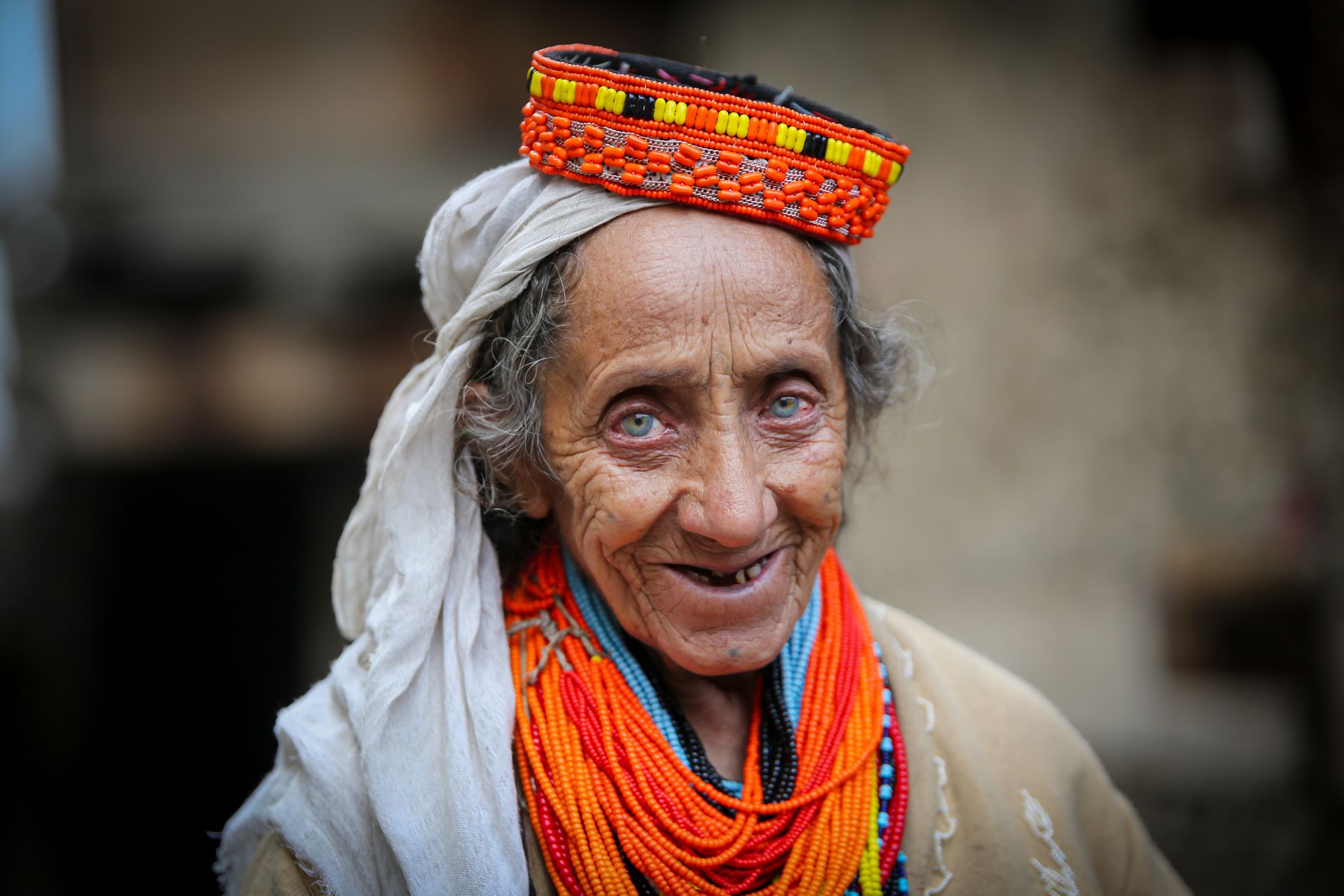 Photo: Shahzad Ali / Pexels
The Kalash valleys lie in the mountains of southern Chitral, in Khyber Pakhtunkhwa. Three main valleys, Bumburet, Rumbur and Birir, are home to the Kalash people, who follow their own religion. Each spring they hold a festival that marks the new year and the return of the growing season. Visitors are welcome to watch, and to taste the food made for the occasion.
Where the valleys lie
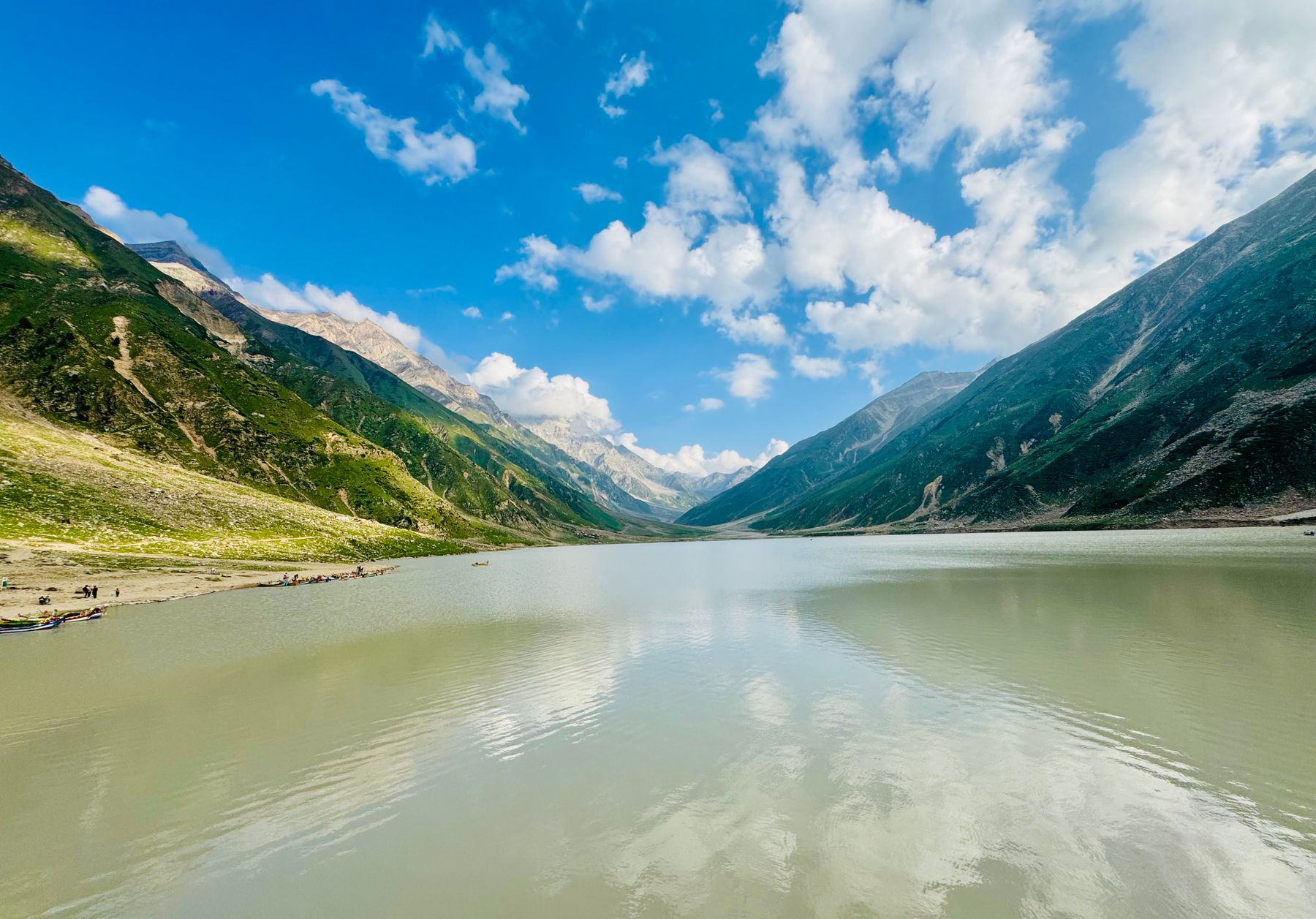
The Kalash valleys sit south of Chitral town, in the forested side valleys that run down to the Chitral River. Bumburet is the largest and most visited. Rumbur and Birir are quieter and reached by rougher tracks. The valleys are a few hours by road from Chitral town, and the journey from Islamabad usually goes by air to Chitral or over the Lowari Pass, which can close in winter.
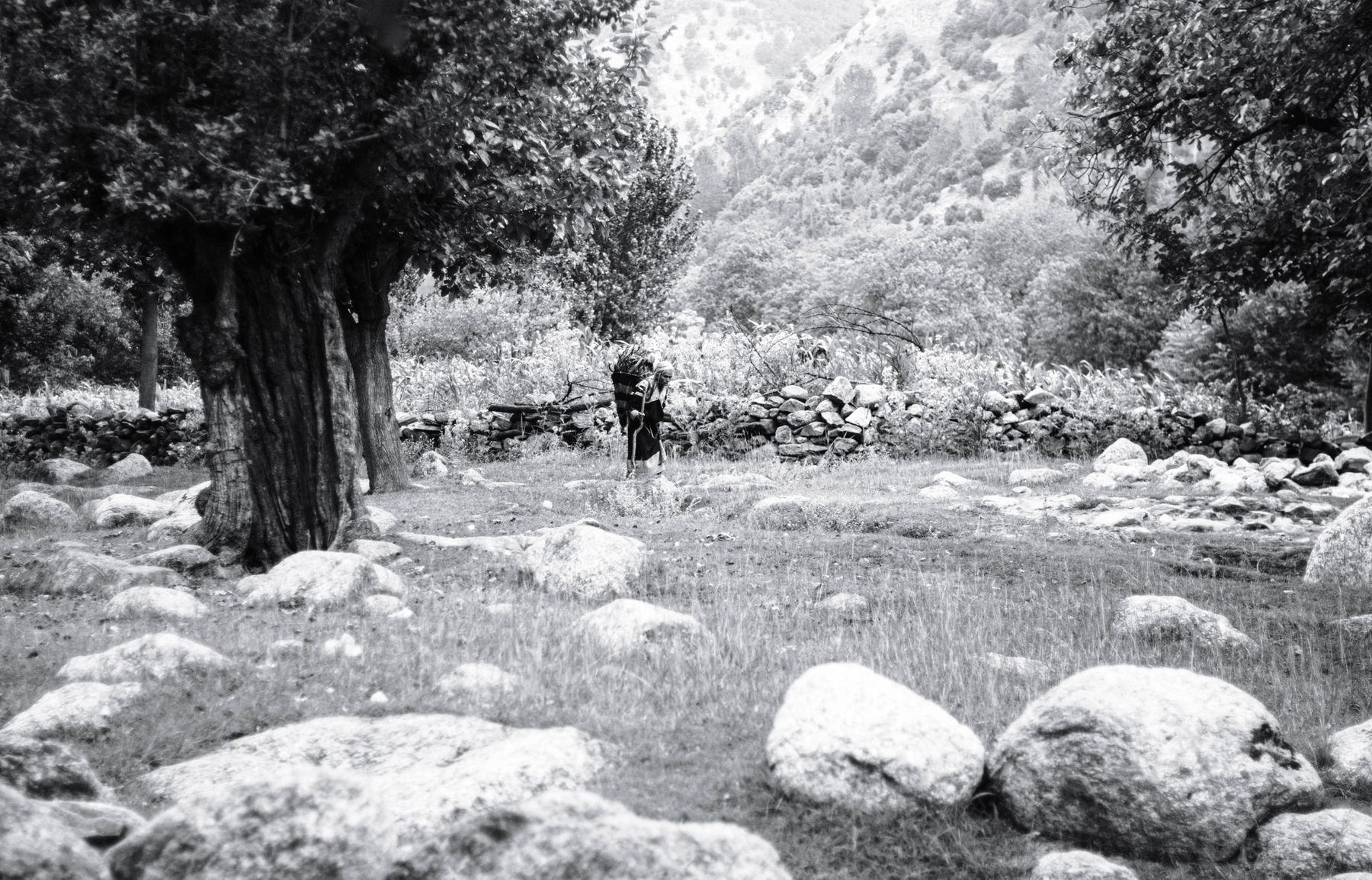
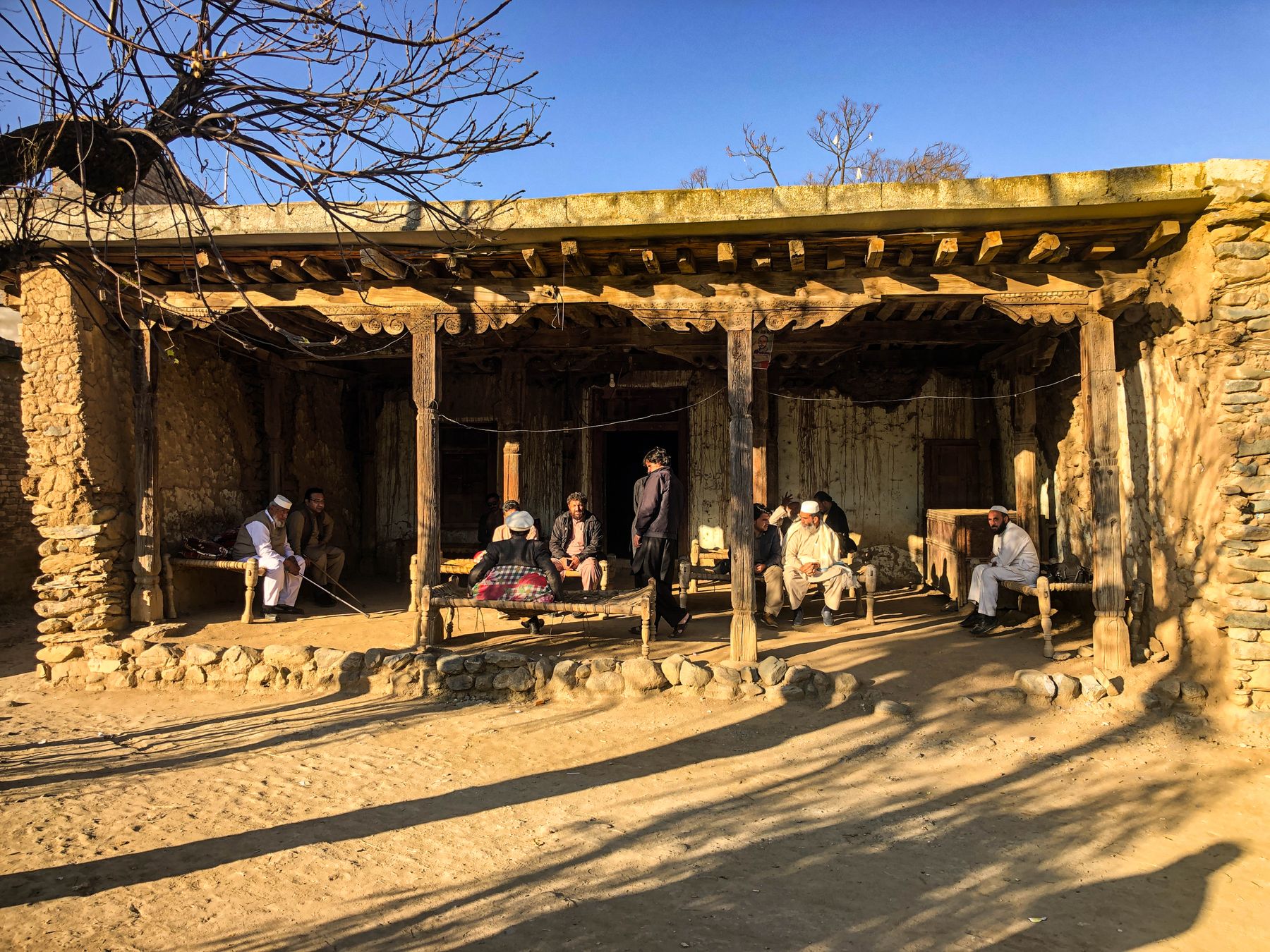
The people of the valleys speak Kalasha, a language of their own, and follow a religion that predates the arrival of Islam in the region. Their villages are built of timber and stone on the hillsides, with carved wooden doorways and communal halls. The landscape is steep, with terraced fields, walnut trees and streams running down to the main river.
Spring comes late here. Snow can lie on the higher slopes into April, and the festival is timed to the season rather than a fixed date. The valleys are green after the winter, and the orchards are in flower. Days are mild, but nights remain cold, so warm clothing is needed.
What the festival marks
The spring festival is one of several in the Kalash year. It celebrates the new year and the start of the season when livestock move to the high pastures and fields are prepared. The date is set by the community and can shift by a few days each year. It usually falls in April and lasts for several days.
During the festival, villagers gather in the open spaces between houses. Music is central, with drums and flutes, and dancing continues for hours. Women wear black robes embroidered with bright patterns and headdresses of cowrie shells. Men and boys join the dancing, and the whole village turns out.
The festival also has a religious side. Prayers are offered for the new year, and there are rituals in the communal halls. Visitors may watch from a distance, but some parts of the ceremony are not open to outsiders. It is best to ask before taking photographs, and to follow the guidance of local hosts.
بہار مبارکHappy spring, a greeting used at the Kalash new year festival.
Music, dance and dress
The sound of the festival is the drum, which sets the rhythm for the circle dances. Dancers move in a ring, stepping and turning, and the circle can grow to include dozens of people. The dancing often starts in the afternoon and goes on into the evening. Flutes and singing join in at different points.
The dress of the Kalash women is distinctive. Black robes are decorated with rows of embroidery in red, yellow and white. Long headdresses, often decorated with cowrie shells and buttons, are worn for festivals. The costumes are made locally and passed down through families. Visitors should dress modestly and avoid copying ceremonial dress.
The festival is also a social occasion. Families come together from different villages, and there is a good deal of visiting and catching up. For a visitor, the atmosphere is open but busy. The best approach is to stand back, watch, and accept an invitation if one is offered.
Food and drink of the season
The food of the Kalash valleys is simple and seasonal. Walnuts are a staple, and walnut bread is made for festivals. The bread is rich and dense, often baked in a communal oven or on a griddle. It is shared among families and offered to guests. Cheese and butter are made from the milk of goats and cows kept in the villages.
Spring brings fresh greens from the terraced fields. Spinach and other leafy vegetables are cooked with maize or wheat flour. A common dish is a thick porridge of maize flour, served with vegetables or dried meat. The Kalash also make a wine from grapes or other fruit, which is used in ceremonies and offered to visitors on occasion.
Tea is drunk throughout the day, often green and unsweetened. For a visitor, the food is part of the hospitality. Accepting a piece of walnut bread or a cup of tea is a way of joining the occasion. The valleys are not a restaurant destination, so meals are usually taken with a host or at a small local guesthouse.
Visiting with care
The Kalash valleys are not a theme park. They are living villages with their own customs and a long history of outside visitors. The community has rules about photography, dress and access to ceremonies. It is important to ask before photographing people, and to avoid entering private houses or communal halls without an invitation. A local guide can help with introductions.
Travel to Chitral and the valleys can require permits or be affected by security advice. Rules change, so check current official advice before travelling. The road from Chitral town to Bumburet is generally open in spring, but the side valleys can be rough. The Lowari Pass may be closed in winter, and flights can be cancelled by weather.
The best way to visit is to stay a few days, rather than rush through. The festival is only part of the experience. The valleys offer walks between villages, views of the Hindu Kush foothills and a chance to see a culture that has survived in a remote corner of Pakistan. Go with an open mind and a respect for local ways.
Where to find it
- BumburetThe largest Kalash valley, with the main festival gatherings and easiest access from Chitral town.
- RumburA quieter valley reached by a rough track, with traditional villages and terraced fields.
- BirirThe southernmost Kalash valley, known for its walnut trees and small communities.
- Chitral townThe main town of the region, with a fort and airstrip, and the gateway to the valleys.
Frequently asked questions
When is the Kalash spring festival held?
The festival usually falls in April, but the date is set by the community and can shift by a few days each year. It lasts for several days. Spring weather in the valleys is mild by day and cold at night, so warm clothing is needed.
Do you need a permit to visit the Kalash valleys?
Permits and travel advice for Chitral and the Kalash valleys can change. Check current official advice before travelling. A local guide can help with any local rules and introductions to the community.
What food is served at the Kalash spring festival?
Walnut bread is made for the festival and shared among families. Other foods include maize porridge, fresh spring greens, cheese and butter. Tea is drunk through the day, and a fruit wine may be offered on ceremonial occasions.
Find a stay in Kalash Valleys
Live prices and availability open in the IMPT app, in a new tab.