Sleeping under the Milky Way at 3,300 metres
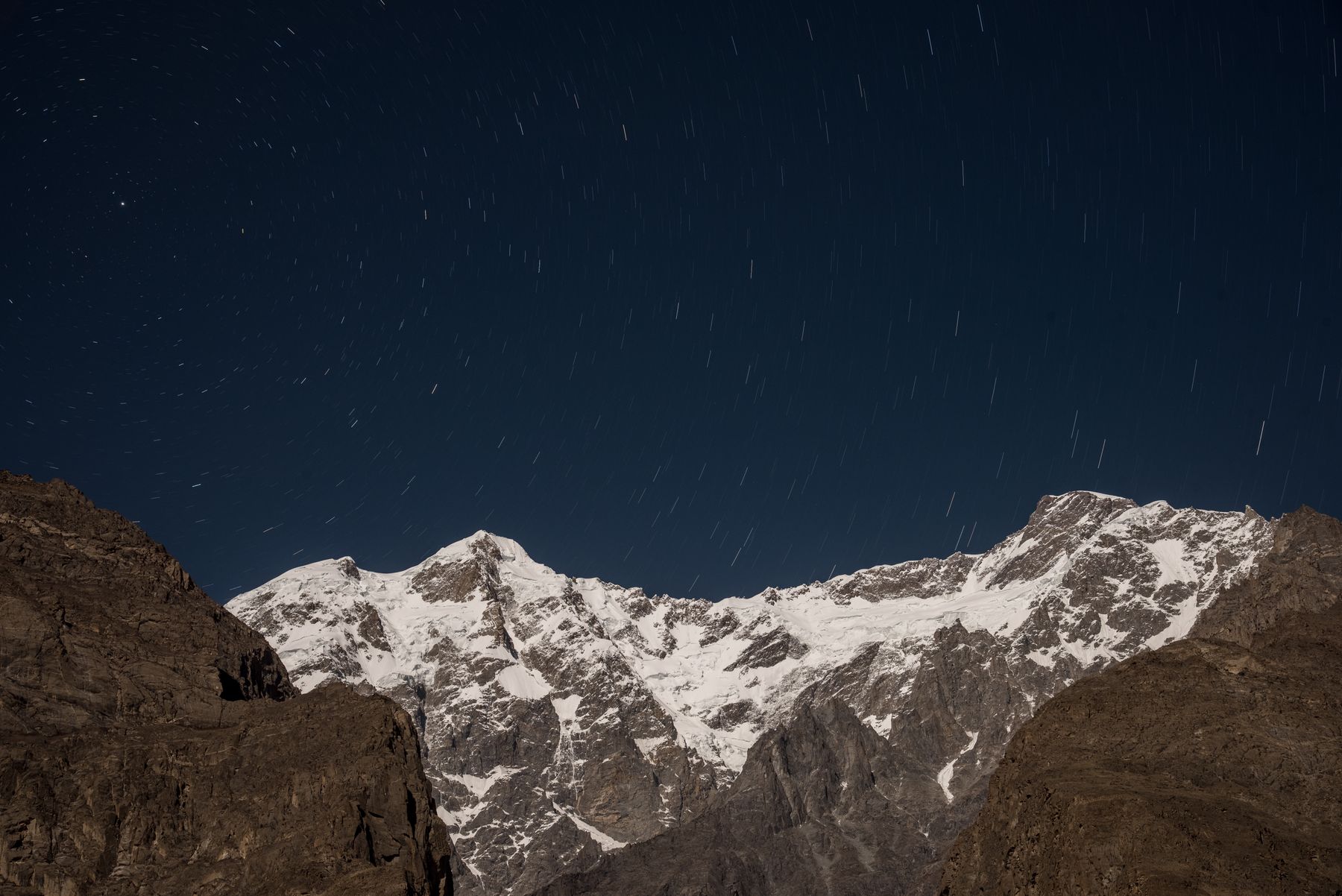
At 3,300 metres below Nanga Parbat, Fairy Meadows offers dark skies and a clear view of the Milky Way on autumn nights.
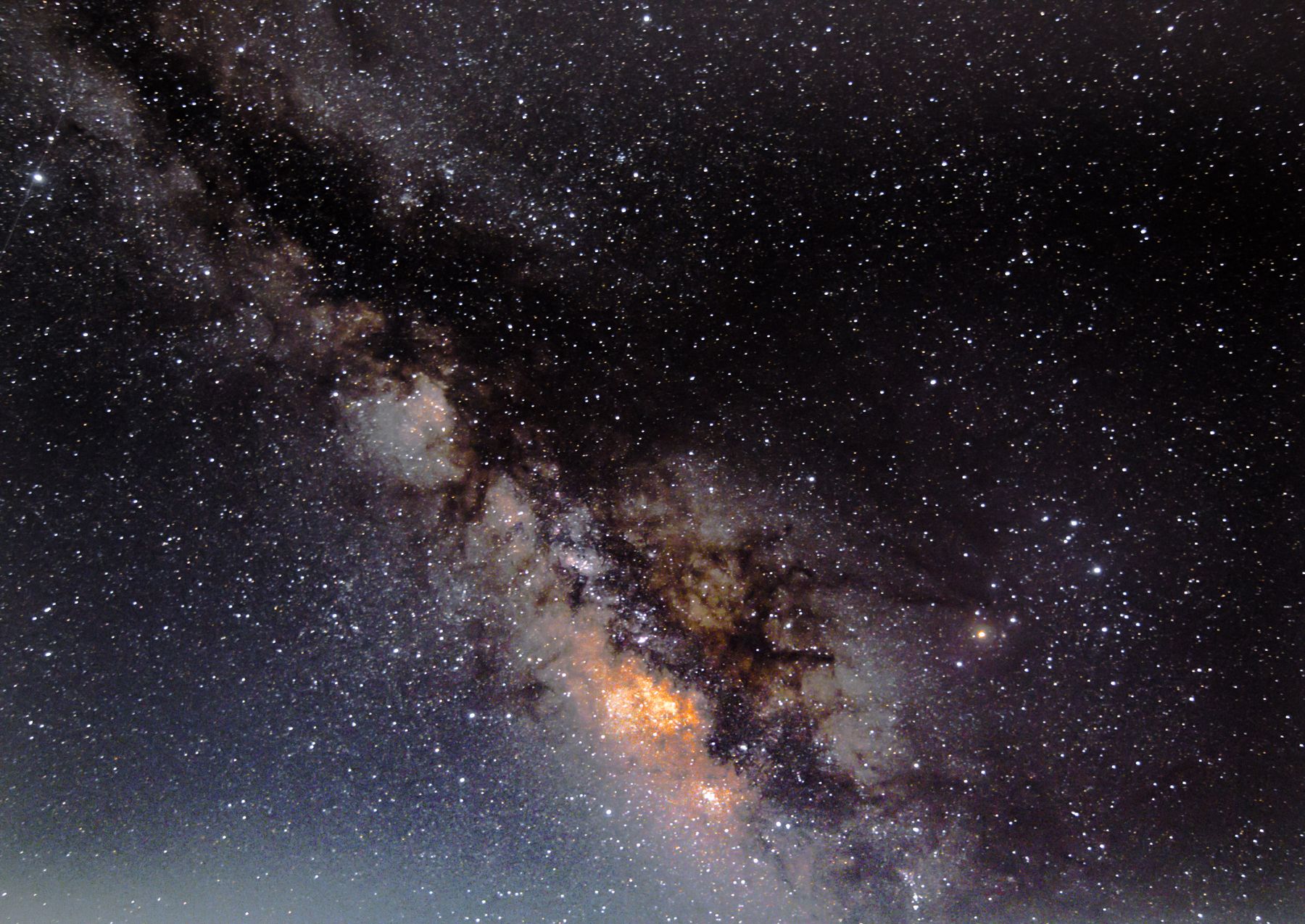 Photo: Saeed Ahmed Abbasi / Pexels
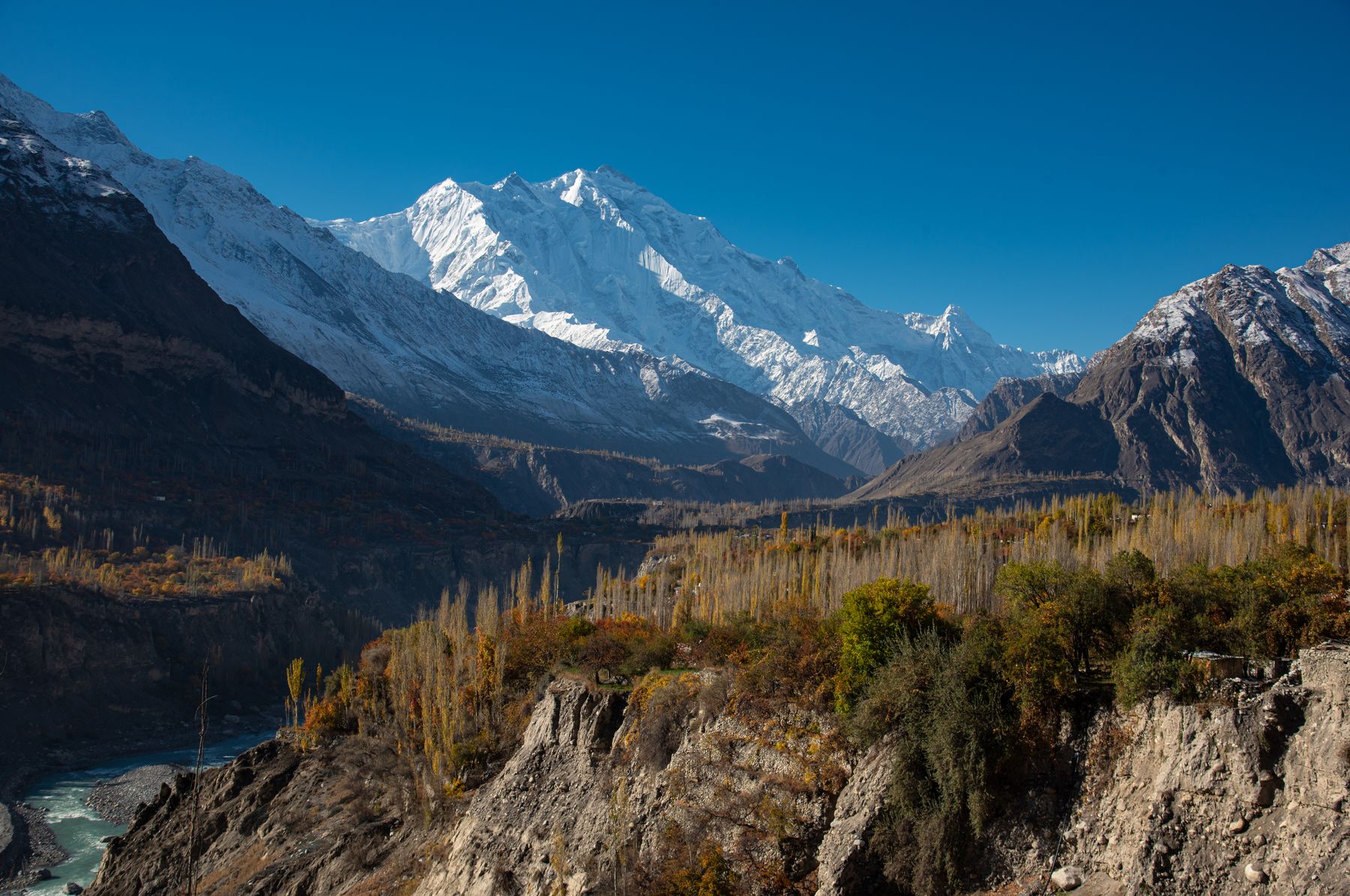
Fairy Meadows is a grassy plateau at about 3,300 metres in Gilgit-Baltistan, below the Raikot face of Nanga Parbat. The approach is by jeep from Raikot Bridge, then on foot. Once the day visitors leave, the sky darkens and the Milky Way becomes visible overhead.
The plateau and the peak
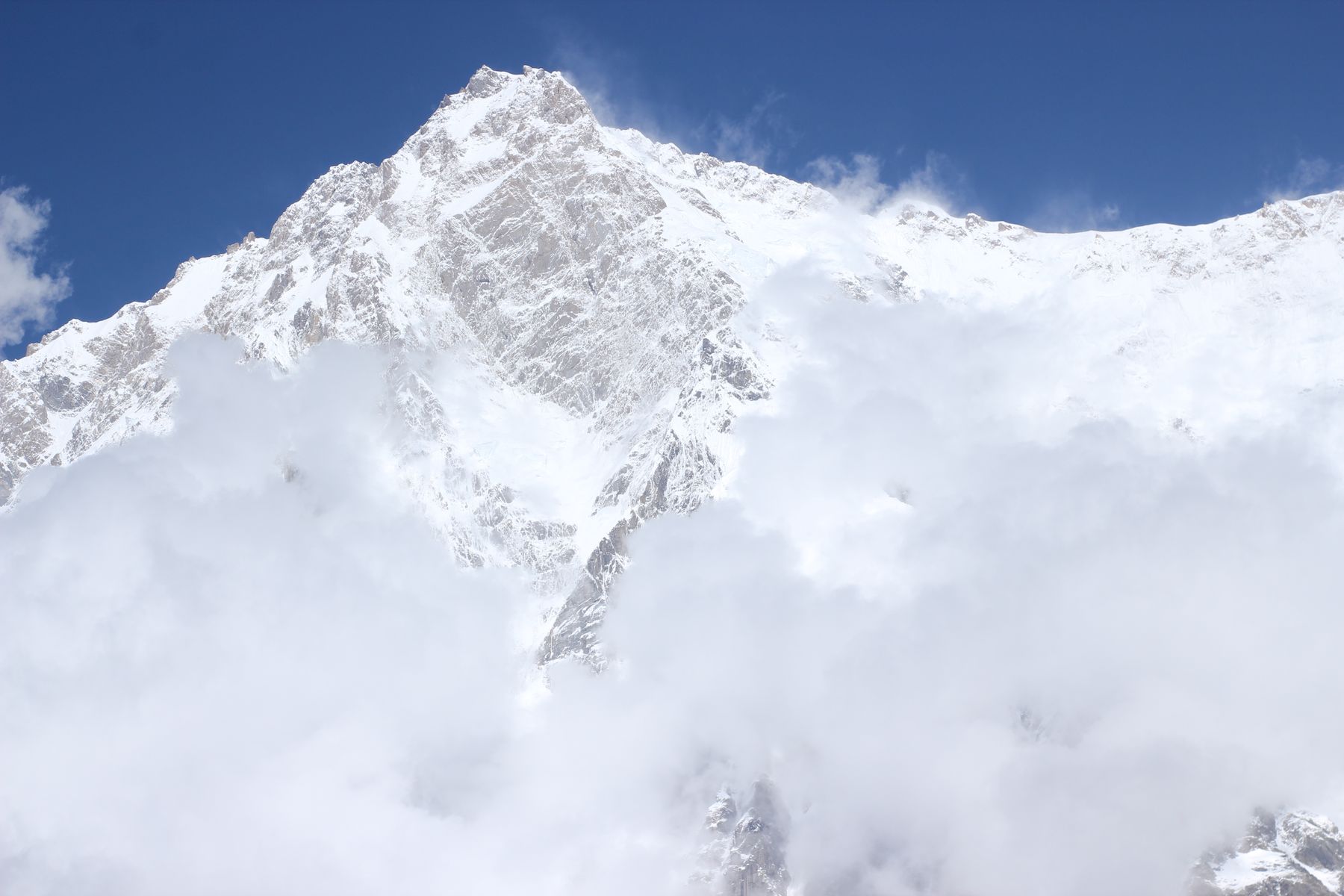
Fairy Meadows sits in a bowl of pine and birch forest on the western side of Nanga Parbat, the ninth highest mountain in the world at 8,126 metres. The meadow itself is small, a flat shelf of grass used for grazing in summer. Wooden huts and simple camps are spread along its edge. The peak rises directly above, and at night its snowfields catch starlight long after the valley is dark.
The altitude of 3,300 metres is high enough to thin the atmosphere but not so high that most visitors feel ill. Nights are cold in every season, and frost is common from September. The meadow is usually open from late May to early October, depending on snow. In July and August the monsoon can bring cloud, which hides the stars.
The name is a translation of the local name, Joot, meaning meadow. The area is within the Nanga Parbat buffer zone, and access is controlled by the local community. A fee is charged for entry and camping. The meadow has no grid electricity, so light after dark comes from lamps, fires and the sky.
Getting there and settling in
The journey starts on the Karakoram Highway at Raikot Bridge, about two hours north of Chilas. From the bridge, a rough jeep track climbs for roughly two hours to Tato, the roadhead. The track is narrow and exposed in places, and local drivers know it best. From Tato, a walk of two to three hours on a wide path leads through forest to the meadow.
Porters can carry luggage, and mules are used for heavier loads. The walk is steady rather than steep, but the altitude makes it slower than expected. Most people arrive by afternoon, leaving time to settle into a hut or pitch a tent before sunset. The evening meal is usually simple: dal, rice, chapati and sometimes chicken or mutton. Tea is made with milk and sugar.
There are no banks or ATMs at the meadow, and no mobile signal in most of the area. Cash is needed for the jeep, the entry fee and any extras. A torch, warm layers and a water bottle are essential. The community manages waste, and visitors are asked to carry out what they bring in.
رات کا آسمانThe night sky. A phrase used for clear, starry nights in the mountains.
What the night sky shows
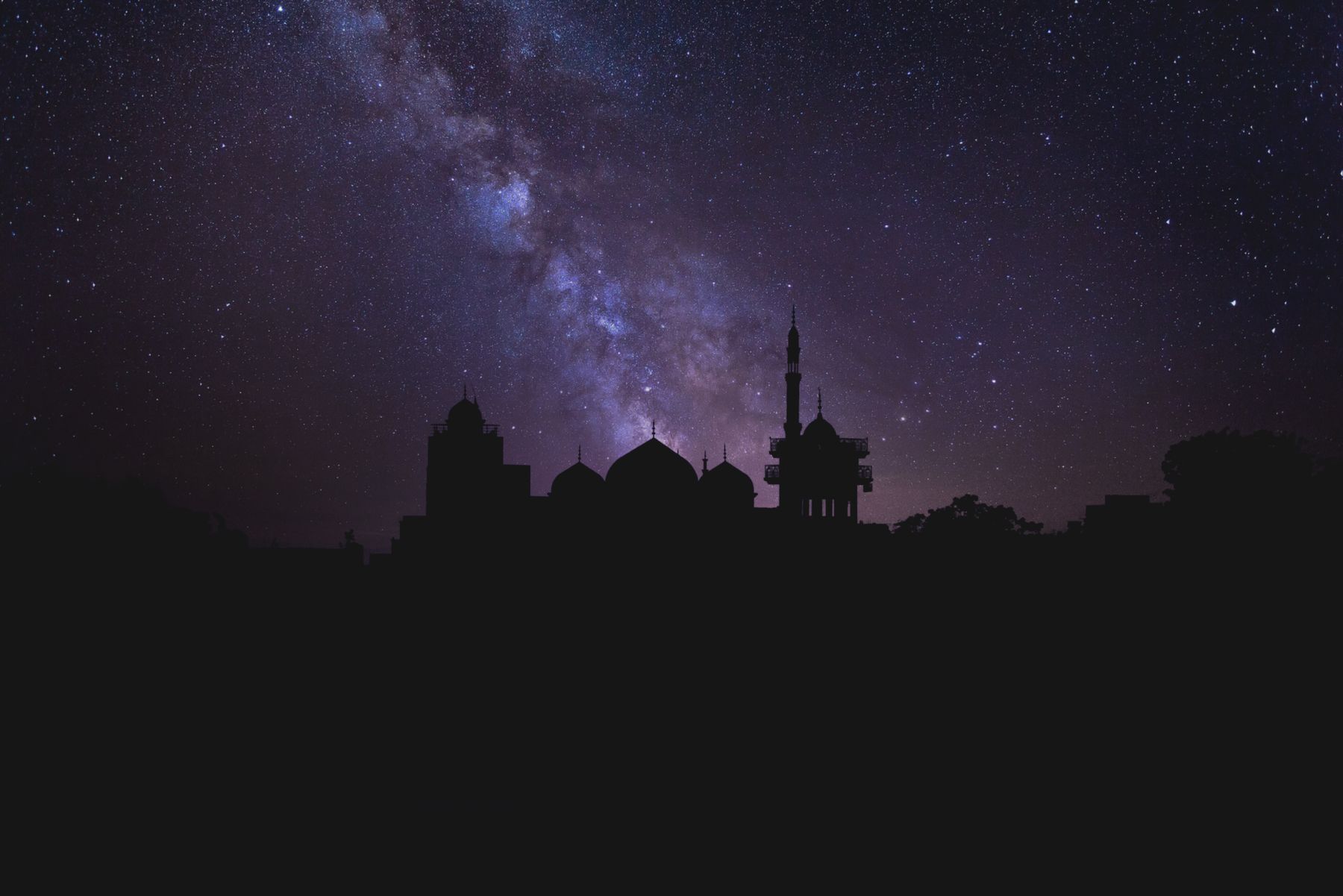
On a clear night, the Milky Way appears as a band of light stretching from the northern horizon across the sky. In autumn, it is visible soon after dark, arching overhead. The centre of the galaxy, in the direction of Sagittarius, is low in the south. Binoculars reveal star clusters and the Andromeda galaxy as a faint smudge.
The meadow has no street lights, and the nearest villages are far below. On moonless nights the sky is dark enough to see the zodiacal light, a faint cone of brightness after sunset or before dawn. Satellites cross regularly. Shooting stars are common during the Perseid meteor shower in August and the Geminids in December, though the meadow is usually closed in December.
The air is thin and cold, so the stars appear steady. A red torch helps preserve night vision. Cameras need a tripod and a wide lens. The peak of Nanga Parbat blocks part of the southern sky, but the open meadow gives a wide view in other directions. The best nights are usually in September and early October, after the monsoon and before the first heavy snow.
Days around the meadow
Daylight hours can be spent walking to the viewpoint at the edge of the meadow, which looks across to the Raikot glacier and the north face of Nanga Parbat. The glacier is one of the largest in the western Himalaya. The walk to the glacier edge takes about an hour and should be done with a local guide, as the ice is unstable.
Another walk leads to the base camp used by expeditions on the Raikot face, a further two to three hours from the meadow. The route is rough and crosses scree. Beyond the meadow, the forest holds birch and juniper, and in spring the ground is covered with wildflowers. Birds include the Himalayan monal and lammergeier.
Evenings are for sitting outside with tea and watching the light fade on the peak. The temperature drops quickly after sunset, so a warm jacket and a blanket are useful. Meals are taken in the huts, where a stove provides heat. Conversation is low, and the sky does most of the talking.
Practical notes for stargazers
The best time for stargazing at Fairy Meadows is from late August to early October, when the monsoon has ended and the nights are clear. June and July can be cloudy. May and early June are colder, with more snow on the ground. The meadow is usually closed from November to May. Check local conditions before travelling, as the jeep track can be affected by landslides.
Altitude sickness is possible at 3,300 metres, though serious cases are rare. A slow ascent, plenty of water and avoiding alcohol help. Nights are cold enough for a down jacket and a warm sleeping bag. Huts have blankets, but they are not always sufficient. A head torch and spare batteries are useful.
The area is in Gilgit-Baltistan, and access is generally straightforward for foreign visitors. Rules can change, so check current official advice before travelling. Some nearby districts may require a No Objection Certificate. The local community manages the meadow and asks visitors to respect their rules on camping, fires and waste.
Where to find it
- Raikot BridgeThe turn-off from the Karakoram Highway, where the jeep track to Fairy Meadows begins.
- TatoThe roadhead village at the end of the jeep track, where the walk to the meadow starts.
- Fairy MeadowsThe grassy plateau at 3,300 metres, with huts and camps and wide views of Nanga Parbat.
- Beyal CampA small settlement on the walk to Fairy Meadows, with basic huts and a view of the peak.
Frequently asked questions
When is the best time to see the Milky Way at Fairy Meadows?
The best months are September and early October, after the monsoon and before the first heavy snow. Nights are clearer and the meadow is still open. July and August can be cloudy, and the meadow is usually closed from November to May.
How do you get to Fairy Meadows?
Travel by road on the Karakoram Highway to Raikot Bridge, then take a local jeep for about two hours to Tato. From Tato, walk for two to three hours on a wide path through forest to the meadow. Porters and mules can carry luggage.
What should you bring for a night at Fairy Meadows?
Bring warm layers, a down jacket, a sleeping bag, a torch with spare batteries and cash for fees and jeep hire. There is no ATM or mobile signal. Water and simple meals are available, but a water bottle and snacks are useful.
Find a stay in Fairy Meadows
Live prices and availability open in the IMPT app, in a new tab.