The brown bears of Deosai
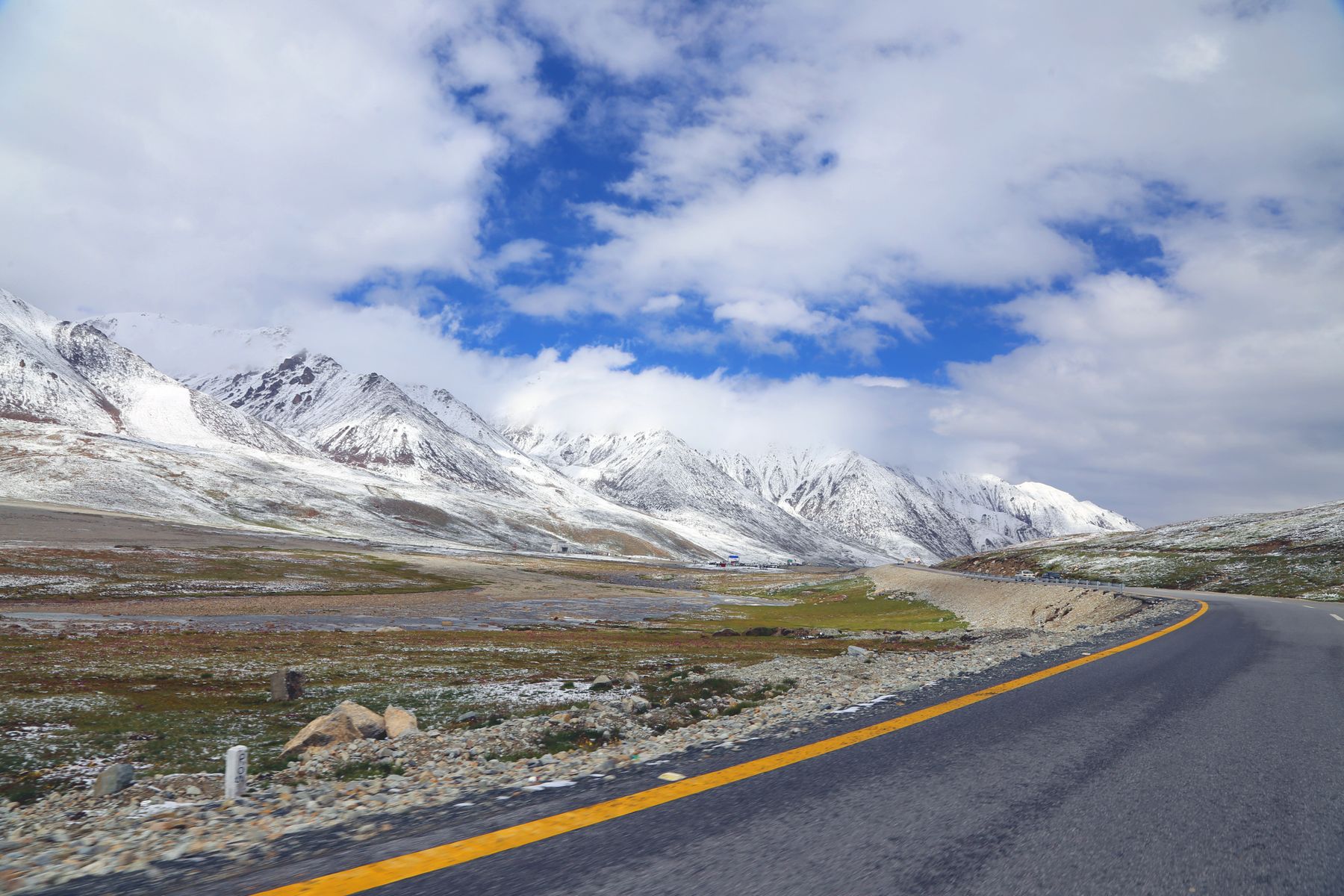
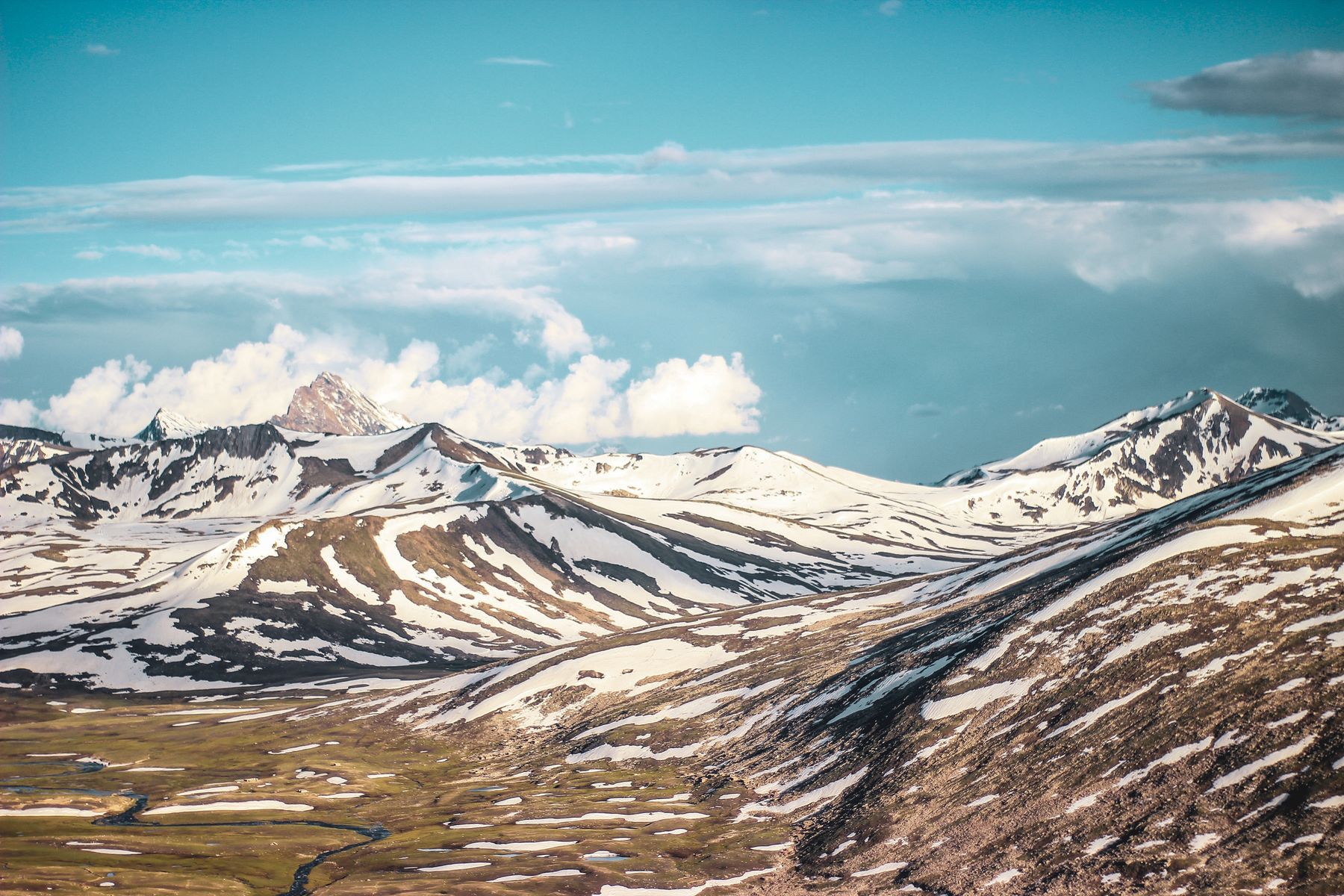
The Deosai Plains form one of the highest plateaus on earth. In summer, brown bears roam its grasslands and visitors can watch them from a respectful distance.
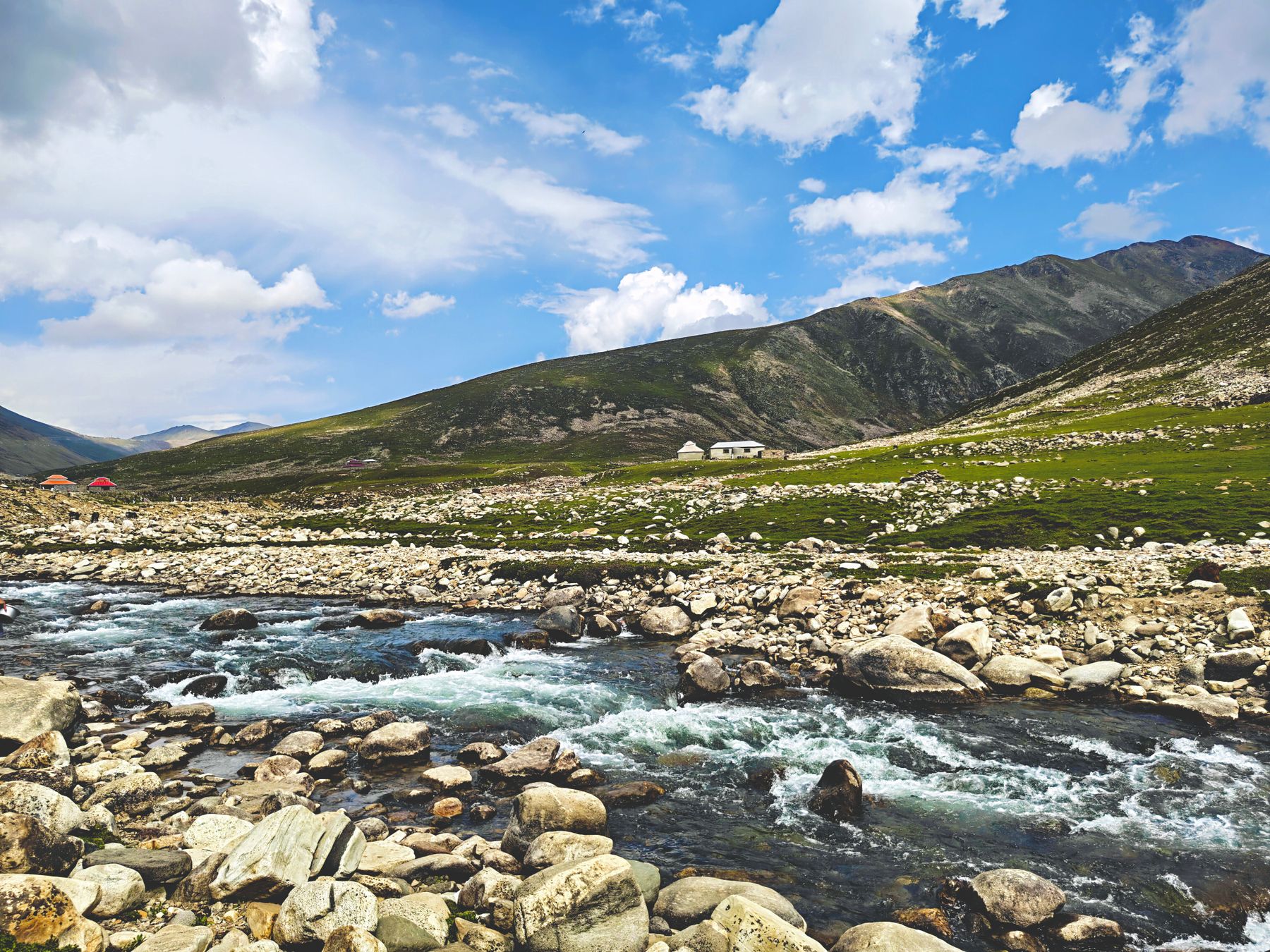 Photo: Mohsin Abbas Khokhar / Pexels
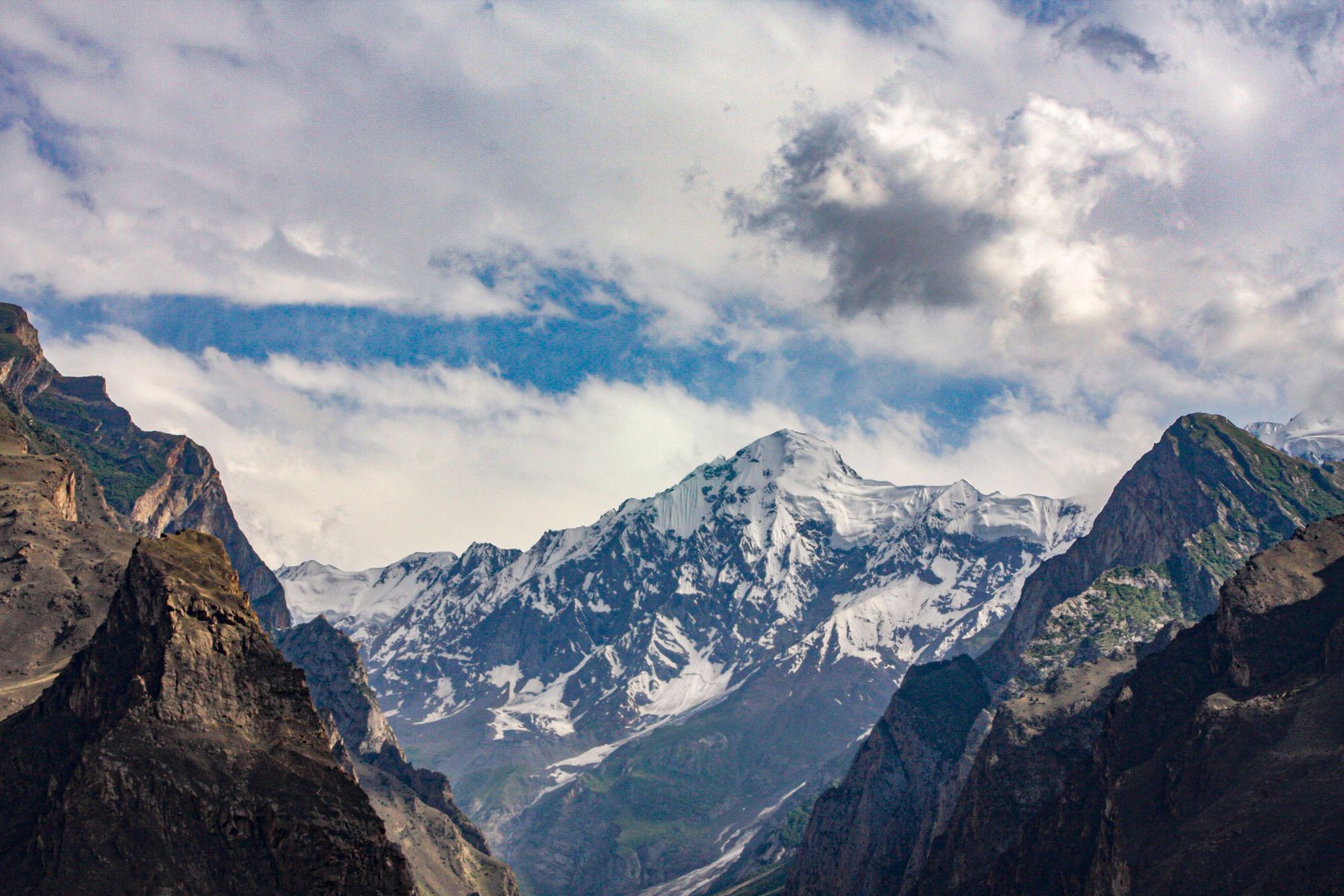
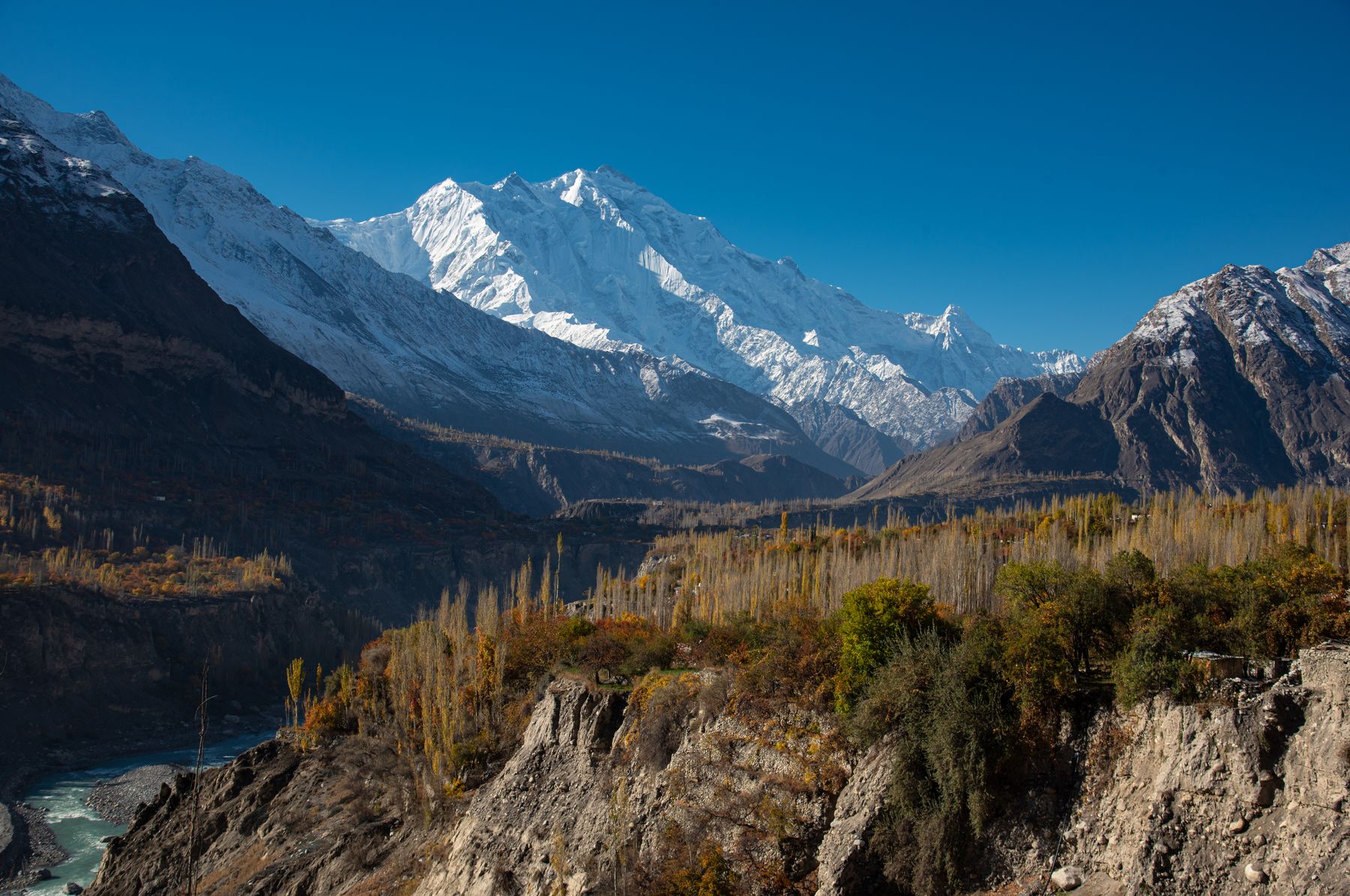
Deosai sits at over 4,000 metres in Gilgit-Baltistan, between the Skardu valley and the Astore district. The plateau is treeless and windswept, crossed by streams and dotted with small lakes. It is also one of the few places in Pakistan where Himalayan brown bears live in the open. In summer they feed on the plains, and careful visitors may see them.
A plateau above the treeline
Deosai National Park covers about 3,000 square kilometres of high ground south of Skardu. The average elevation is around 4,000 metres, with the highest points above 5,000 metres. The plains are bounded by the Himalayan foothills and the Deosai range. Snow lies for much of the year, and the park is usually accessible from late June to early October. The name Deosai is often said to mean the land of giants, a reference to the bears.
The landscape is open and spare. Grassy meadows give way to rocky outcrops and shallow lakes. The Sheosar Lake, near the western edge, is a common stop on the drive from Skardu to Astore. The water is cold and clear, and the surrounding ground is soft in early summer. The park has no settlements inside its boundaries, and the nearest villages lie on the approach roads.
The park was established in 1993, and since then the brown bear population has been monitored and protected. The bears here are a subspecies of the Himalayan brown bear, smaller than the brown bears of North America and Europe. They are omnivores, feeding on grasses, roots, insects and small mammals. In autumn they move to higher ground to dig dens for the winter.
The bears and their habits
Himalayan brown bears are shy animals. In Deosai they are most active in the early morning and late afternoon, when they come out to feed on the open meadows. They have a humped shoulder and a dish-shaped face, and their fur ranges from sandy brown to dark brown. An adult male can weigh up to 200 kilograms, though bears in this region are generally smaller.
The bears spend the winter in dens dug into slopes or under rocks. They emerge in spring, often around April or May, when the snow begins to melt. In summer they feed heavily on the plateau’s vegetation, putting on fat for the winter. Females give birth to one or two cubs during hibernation, and the cubs stay with the mother for about two years.
The main threat to the bears is habitat loss and conflict with livestock. The park authorities work with local communities to reduce grazing inside the park and to raise awareness. Sightings are not guaranteed, but the chances are best in July and August, when the bears are most active and the weather is mild. A pair of binoculars helps, as does a guide who knows the animals’ usual routes.
دیوسائی کے بھورے ریچھThe brown bears of Deosai, a reminder of the plateau’s wild heart.
Getting there and when to go
Most visitors reach Deosai from Skardu, which has an airport with flights from Islamabad. The drive from Skardu to the park entrance takes about two hours, and the road continues across the plateau to Astore. The road is unpaved in parts and can be rough. A four-wheel-drive vehicle is recommended, especially after rain. The route passes through the village of Sadpara and then climbs onto the open plains.
The park is open only in summer, typically from late June to early October. Snow can close the road even in early summer, so it is wise to check conditions before setting out. July and August are the warmest months, with daytime temperatures reaching around 15 degrees Celsius. Nights are cold, often dropping below freezing. Afternoon thunderstorms are common, and fog can reduce visibility.
There is no accommodation inside the park. Visitors usually stay in Skardu or in smaller towns along the route. A fee is charged for entry to the national park. Camping is possible in some areas, but it requires permission and proper equipment. The altitude is high, so allow time to acclimatise before spending a full day on the plateau.
Watching wildlife responsibly
Bears in Deosai are wild and should not be approached. Park rules ask visitors to keep a distance of at least 200 metres from any bear. If a bear changes its behaviour because of your presence, you are too close. Use binoculars or a telephoto lens rather than moving closer. Never feed the bears or leave food behind, as this encourages them to associate people with food.
Drive slowly on the plateau, especially where the road crosses open meadows. Bears may be crossing or feeding near the road. If you see a bear, stay in your vehicle unless a guide advises otherwise. Groups should keep together and make noise when walking, so bears are aware of people and can move away. Dogs should not be brought into the park, as they can disturb wildlife.
The park is also home to marmots, Tibetan wolves, red foxes and several species of birds. The streams hold brown trout, though fishing is not permitted without a licence. The flora includes many alpine flowers that bloom in July and August. The short growing season means the meadows are at their most colourful in midsummer. Take only photographs and leave the landscape as you find it.
Beyond the bears
The drive across Deosai is a journey through remote country. From the park, the road descends to Astore, a town with a bazaar and basic guest houses. The Astore Valley leads towards the Nanga Parbat viewpoint at Rama, and further to the Deosai road junction. The route is long and slow, but it offers a sense of the scale of the mountains. The Karakoram Highway lies to the north, beyond Skardu.
Skardu itself is a useful base. The town has a fort, a bazaar and a number of hotels. The Kharpocho Fort overlooks the Indus River, and the nearby Shangrila Lake is a popular day trip. From Skardu, jeep tracks lead to the Deosai plains and to the lakes of the Katpana Desert. The cold desert, with its sand dunes, is a contrast to the green plateau.
Food in the region is simple and warming. In Skardu, restaurants serve Pakistani staples such as daal, karahi and naan. Local apricots and walnuts are sold in the bazaars in late summer. In the villages along the Deosai road, tea is offered with salt or milk. The plateau itself has no food stalls, so carry water and supplies. The nearest supplies are in Skardu or Astore.
Where to see the bears
- Sheosar LakeA shallow lake near the western edge of the park. Bears are sometimes seen in the surrounding meadows at dawn.
- SadparaA village on the approach from Skardu. The road climbs from here onto the plateau, where sightings are possible.
- Bara PaniA stream crossing on the Deosai road. The open ground nearby is good for watching wildlife from a vehicle.
- AstoreA town on the western side of the park. The road from Astore to Deosai passes through bear habitat.
Frequently asked questions
Where is Deosai National Park?
Deosai National Park lies in Gilgit-Baltistan, between the Skardu valley and the Astore district. It covers about 3,000 square kilometres at an average elevation of around 4,000 metres. The park is usually reached by road from Skardu, a drive of about two hours to the park entrance.
When is the best time to see brown bears in Deosai?
The best time is from July to early September, when the bears are most active on the open plains. They are often seen in the early morning and late afternoon. The park is generally open from late June to early October, depending on snow conditions. Sightings are never guaranteed.
Do I need a permit to visit Deosai?
A fee is charged for entry to Deosai National Park. Some areas near the Line of Control and border districts may require a No Objection Certificate (NOC). Rules change, so check current official advice before travelling. Visitors should also follow park rules on wildlife watching and camping.
Find a stay in Deosai
Live prices and availability open in the IMPT app, in a new tab.