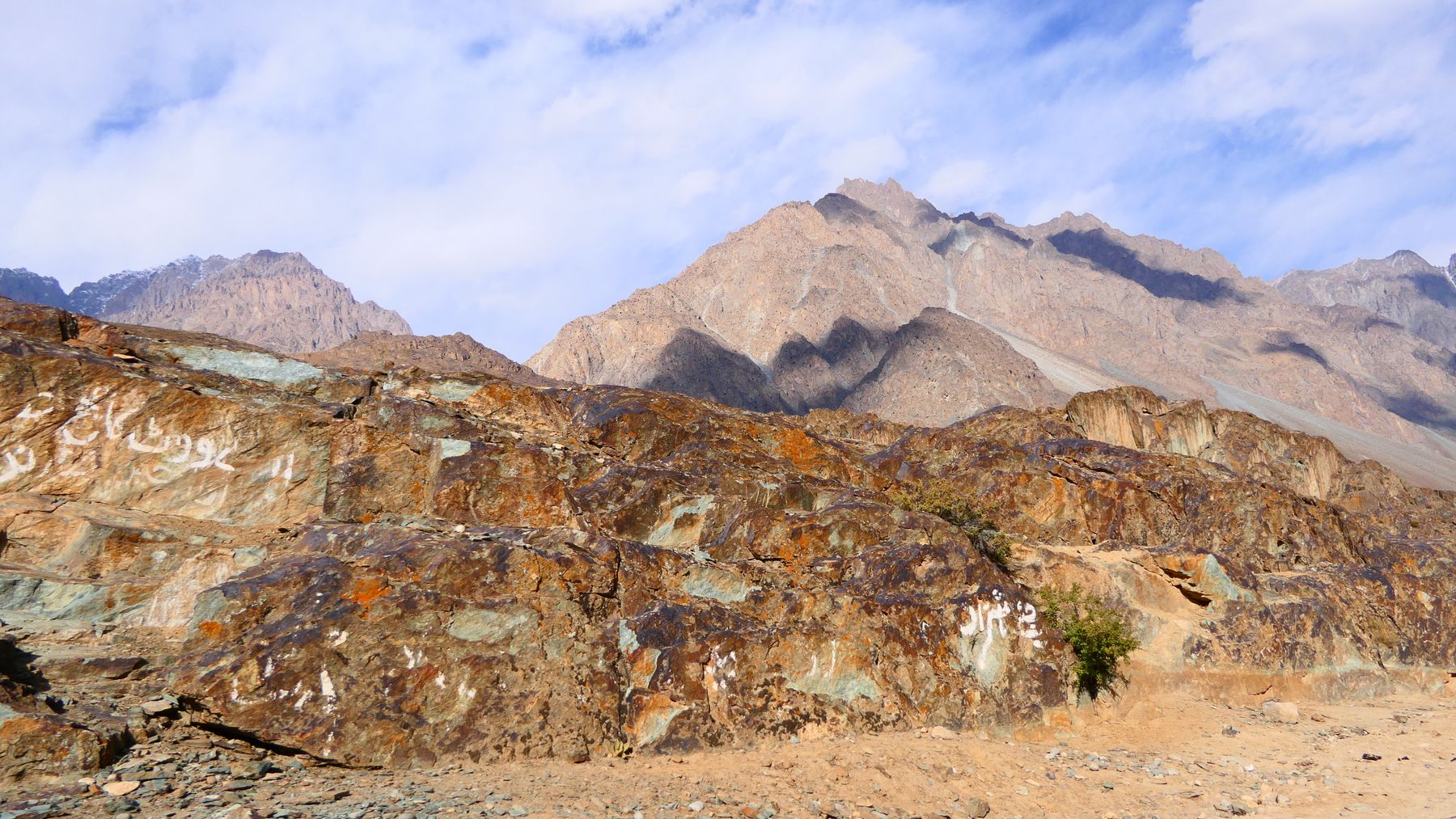
Ziarat and its juniper forest
The highland town of Ziarat in Balochistan is known for its ancient juniper forest, cool summers and the whitewashed Quaid-e-Azam Residency.
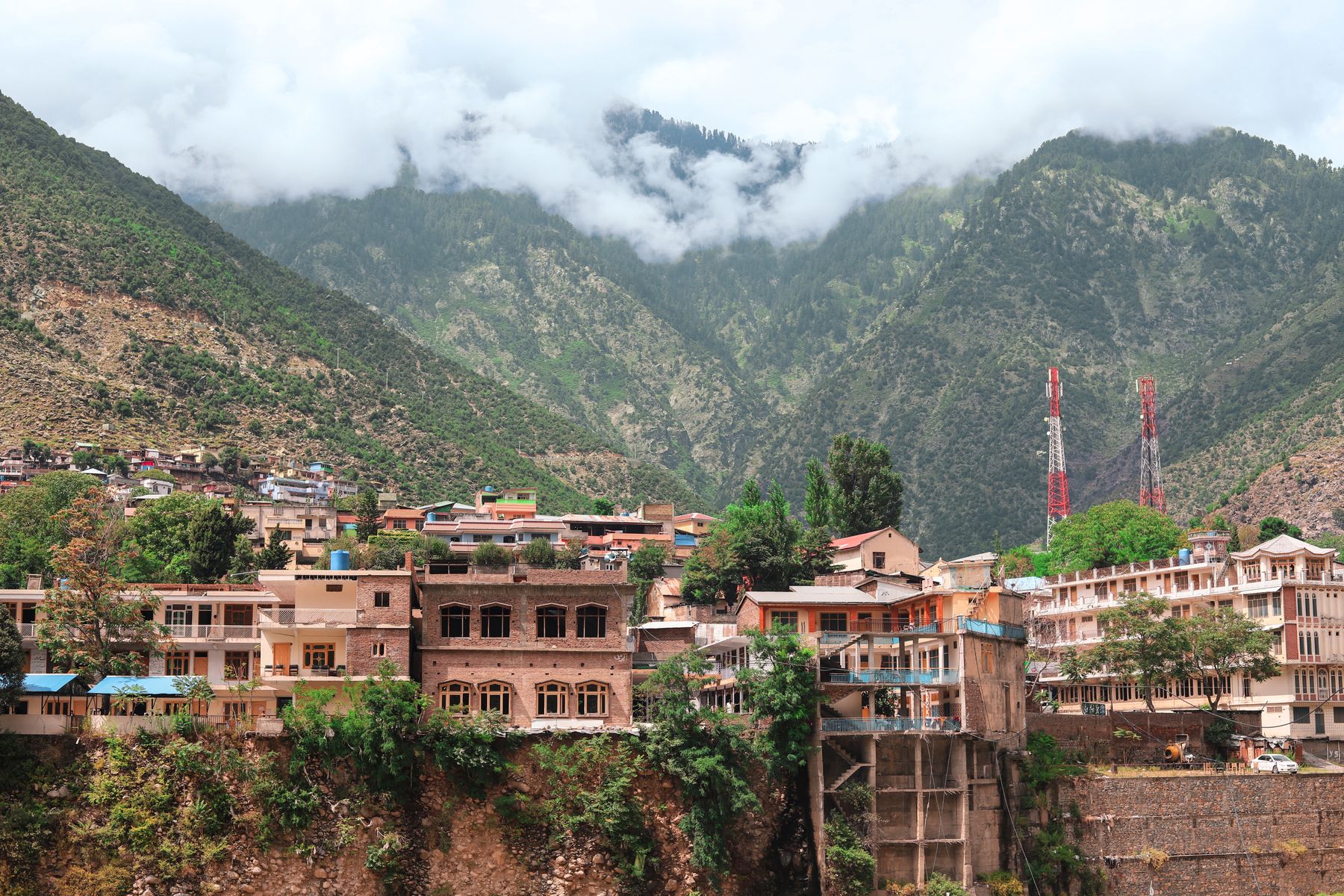 Photo: High Rollick studio / Pexels
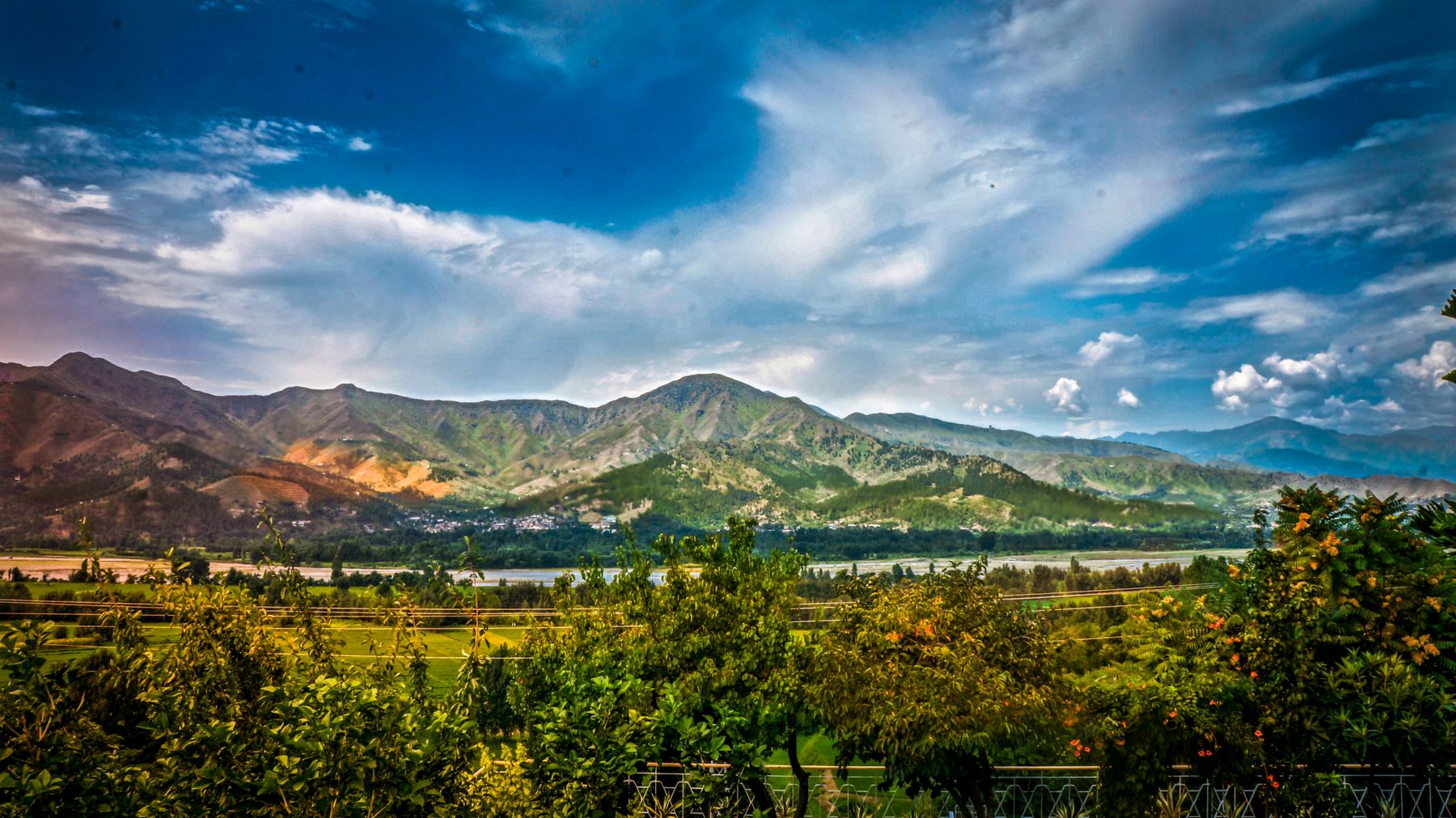
Ziarat sits at about 2,400 metres in the mountains of northern Balochistan, a few hours from Quetta. The town is small and the air is cool even in July. Its juniper forest spreads across the surrounding hills, and the trees are among the oldest living things in Pakistan. Visitors come for the shade, the walks and the views.
Where the forest stands
The juniper forest around Ziarat covers hillsides and valleys on the approach to the town. The trees are Juniperus excelsa, a species that grows slowly and can live for centuries. Some specimens in the area are thought to be among the oldest of their kind in the world. The forest is not a single block but a mosaic of open woodland and denser stands, with paths and tracks linking the main viewpoints.
The woodland begins below the town and continues above it. On the lower slopes the trees are mixed with scrub and rock. Higher up, the junipers become more scattered and the ground is stony. The forest is a protected area, and cutting or removing wood is not allowed. Visitors should stay on established paths to avoid damaging young trees and thin soil.
The best time to see the forest is from late spring to early autumn. In April and May the hills are green and the days are mild. June to August brings warm afternoons but cool evenings, and the town is a common summer retreat. October and November are clear and cold, with early snow possible. Winter snow can block the road from Quetta for short periods.
Walks and viewpoints
Several walking routes start from the town. A gentle circuit leads through the juniper stands to a ridge with views over the valley. The paths are not always marked, and it is easy to lose the way among the trees. A local guide can help, and the forest department office in Ziarat can advise on routes. Sturdy shoes are useful on the stony ground.
The highest point near town is a viewpoint reached by a short climb. On a clear day the view takes in layered ridges and, in the distance, the higher peaks of the Sulaiman range. The air is thin at this altitude, so allow more time than the distance suggests. There are benches and shade at the top, and the walk back is downhill.
For a longer outing, a track continues beyond the main forest block towards smaller hamlets. These paths pass through open juniper woodland and small fields. Visitors should carry water and food, as there are few facilities. The forest is quiet in the early morning, when birds are active and the light is soft.
جونیپر کا جنگلThe juniper forest, a phrase that captures the quiet woodland around Ziarat.
The Residency and the town
The Quaid-e-Azam Residency is the best-known building in Ziarat. It is a wooden structure with a veranda, set among junipers on a hill above the town. The building is preserved as a museum, and a fee is charged for entry. Displays inside relate to the early history of Pakistan. The surrounding garden is a calm place to sit.
The town itself is small and spreads along a main road. There is a bazaar with basic supplies, a few tea shops and simple places to eat. Local produce includes apples, apricots and honey from the surrounding valleys. In summer, stalls sell fresh fruit and nuts. The pace is slow, and the main activity is walking and taking in the cool air.
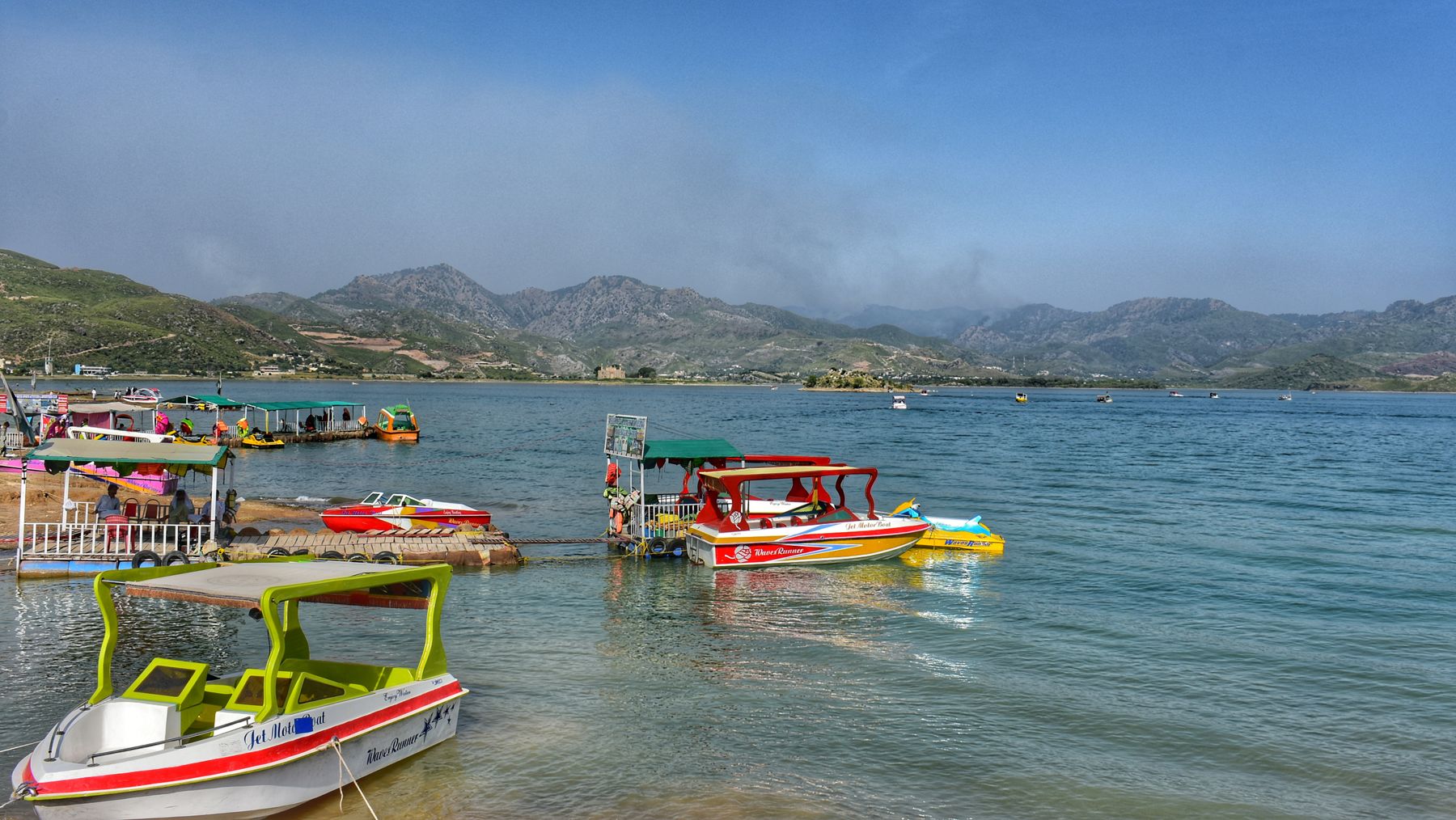
Ziarat is also a base for visiting nearby villages. The road towards Quetta passes through open country with views of distant mountains. A side road leads to a small lake and picnic spots. These are popular with families in summer. Visitors should respect local customs and ask before photographing people or private property.
Seasons and weather
Spring arrives late at this altitude. Snow can linger on shaded slopes into March. By April the junipers are active and the ground begins to dry. Days are mild, but nights remain cold. A jacket is needed even in summer evenings. Rainfall is modest, mostly in winter and early spring.
Summer is the busiest season. Temperatures are pleasant compared with the plains, and the town fills with visitors from Quetta and beyond. Afternoons can be warm in the sun, but shade under the junipers is cool. Thunderstorms are possible in July and August. Visitors should avoid exposed ridges during storms.
Autumn is clear and dry, with cold nights. The juniper foliage stays dark green, but the light is sharp and the views are long. Winter brings snow, and the road from Quetta can be affected. The forest is quiet then, and the town is cold. Travel in winter should be planned with current road conditions in mind.
Practical notes for visitors
Ziarat is reached by road from Quetta. The journey takes a few hours, depending on conditions. There is no airport, and public transport is limited. A private vehicle is the most flexible option. The road climbs steadily and passes through several small settlements. In winter, check that the road is open before setting out.
Accommodation in Ziarat is simple. There are guest houses and small hotels, but no large resorts. Book ahead in summer, when demand is high. Electricity can be intermittent, and heating in winter is basic. Visitors should bring warm clothing, a torch and any medicines they need. Mobile signal is limited in parts of the forest.
The forest is a protected area, and visitors are asked to take their rubbish away. Lighting fires is risky, especially in autumn when the vegetation is dry. Some areas may require permission from the forest department. Rules can change, so check with local authorities before planning walks. The nearest hospital is in Quetta, so carry a basic first aid kit.
Where to find it
- Ziarat townThe main base for visiting the forest, with the Quaid-e-Azam Residency and a small bazaar.
- Quaid-e-Azam ResidencyA preserved wooden building and museum set among junipers on a hill above the town.
- Juniper forest trailsWalking routes through ancient juniper stands, starting from the edge of town.
- QuettaThe nearest city and transport hub, about a few hours' drive from Ziarat.
Frequently asked questions
What is special about the juniper forest in Ziarat?
The forest is made up of Juniperus excelsa trees, some of which are thought to be among the oldest of their kind in the world. The woodland is a protected area and covers hillsides around the town. It is a slow-growing forest that supports wildlife and helps protect the soil.
When is the best time to visit Ziarat and its juniper forest?
Late spring to early autumn is the most comfortable period. April and May are mild, while June to August offer cool relief from the plains. Autumn is clear but cold at night. Winter brings snow, and the road from Quetta can be affected, so check conditions before travelling.
Do I need a permit to visit Ziarat and the juniper forest?
Ziarat is generally open to visitors, but some forest areas may require permission from the forest department. Rules can change, so check with local authorities in advance. Visitors should stay on established paths and follow any instructions from forest staff.
Find a stay in Ziarat
Live prices and availability open in the IMPT app, in a new tab.