 Photo: Wasif Mehmood / Pexels
Baltit and Altit forts
Baltit and Altit are the two old seats of the Hunza rulers, set on opposite sides of the valley near Karimabad. One is restored and open as a museum, the other sits among village houses.
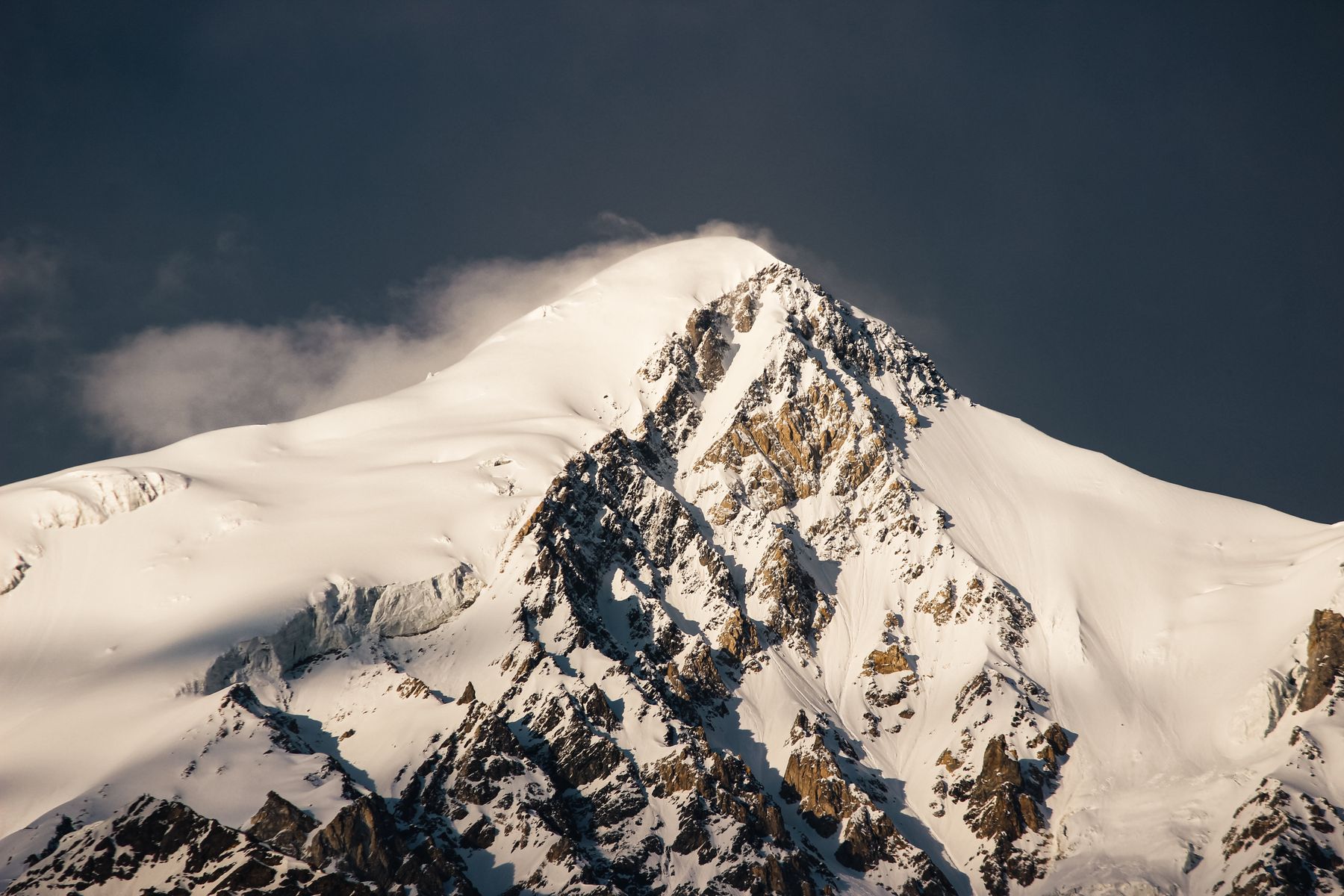
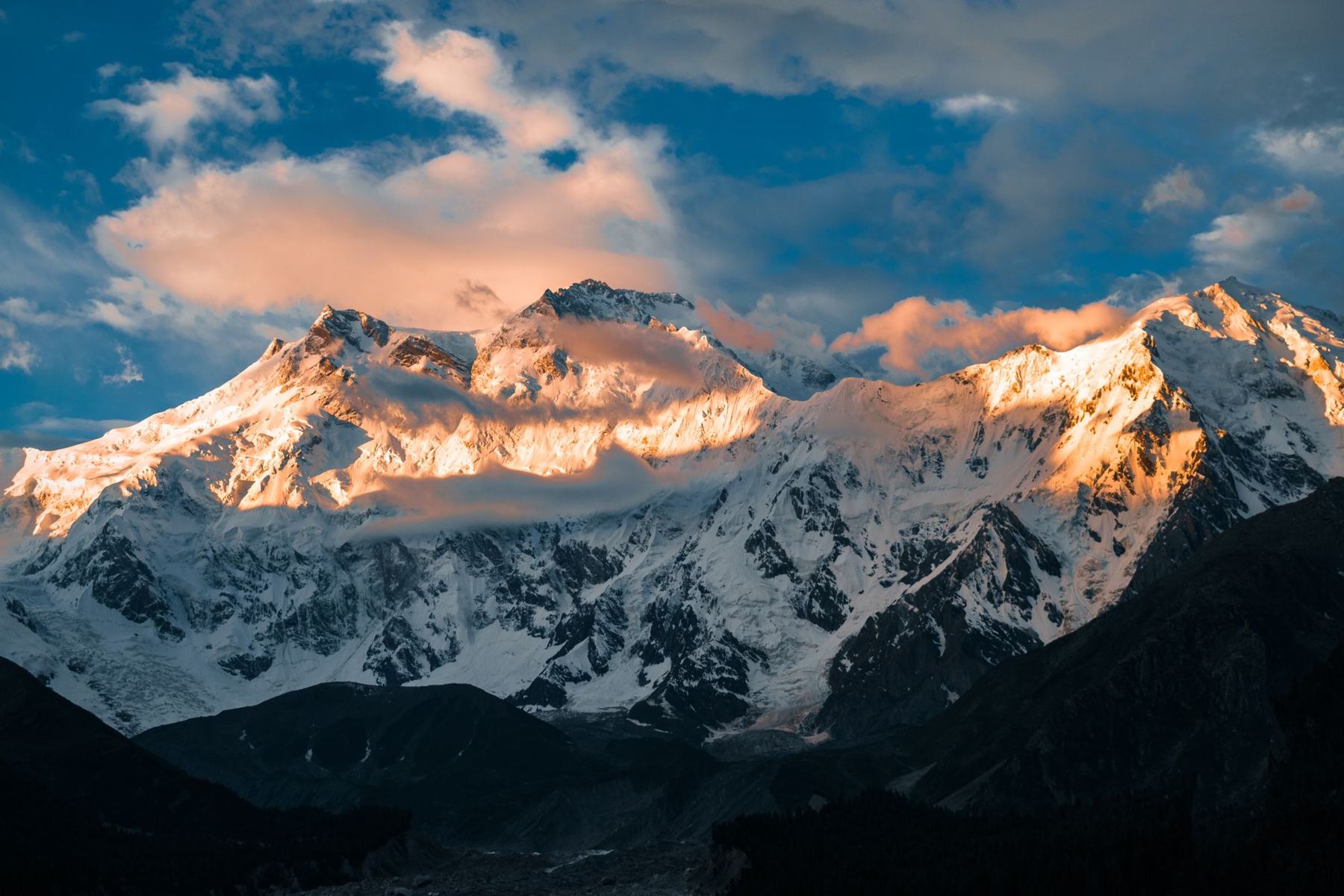
Baltit Fort stands above Karimabad on a ridge below Ultar Sar. Altit Fort lies lower and further east, in the older village of Altit. Both are built of stone and timber in a style related to Balti architecture. The walk between them passes terraced fields and irrigation channels, and takes in views of the valley and the rock face of Rakaposhi.
How the visit goes
- MorningStart at BaltitClimb the lane from Karimabad bazaar to Baltit Fort. The restored rooms and roof terrace take about an hour.
- MiddayWalk to AltitFollow the path east through the villages. The walk is mostly level and takes around 30 to 40 minutes.
- AfternoonExplore AltitAltit Fort and the old village lanes take another hour. The fort sits on a rock above the Hunza River.
- Late afternoonReturn or continueWalk back to Karimabad, or take a local vehicle if the day is hot. Allow time for the bazaar.
What to bring
- Walking shoes with grip for the stone paths
- A light jacket, as the wind picks up in the afternoon
- Water and sun protection
- A camera for the valley views
Know before you go
- A fee is charged at both forts; opening hours can vary by season.
- Baltit Fort is reached by a steep paved lane from the bazaar.
- Altit village is about 3 km east of Karimabad by road.
- Some rooms in the forts have low doorways and narrow stairs.
- Rules and access can change; check locally before setting out.
Where it starts
The visit starts in Karimabad, the main town of Hunza. Baltit Fort is a short climb from the bazaar. Altit is reached on foot through the villages or by a short drive east along the valley road.
Baltit Fort
Baltit Fort sits on a moraine ridge above Karimabad, at roughly 2,300 metres. It was the residence of the Mirs of Hunza for centuries. The building shows layers of repair and addition, with a core that is often dated to the medieval period. Its timber-framed walls and projecting balconies are characteristic of the region.
A restoration project in the 1990s stabilised the structure and opened it to visitors. Inside, rooms are displayed with household objects, weapons and photographs. The roof offers a wide view of the Hunza valley and the peaks around Ultar. A fee is charged for entry.
What to look for
The audience hall and the winter rooms show how the fort worked as a court and a home. Notice the carved wooden pillars and the small windows that keep out the cold. The roof terrace is the best place to understand the fort's position above the valley.
Altit Fort
Altit Fort is older than Baltit and stands on a rock outcrop in Altit village, close to the Hunza River. It was the original seat of the Hunza rulers before the court moved to Baltit. The fort has a compact plan around a small courtyard, with a watchtower that looks up and down the valley.
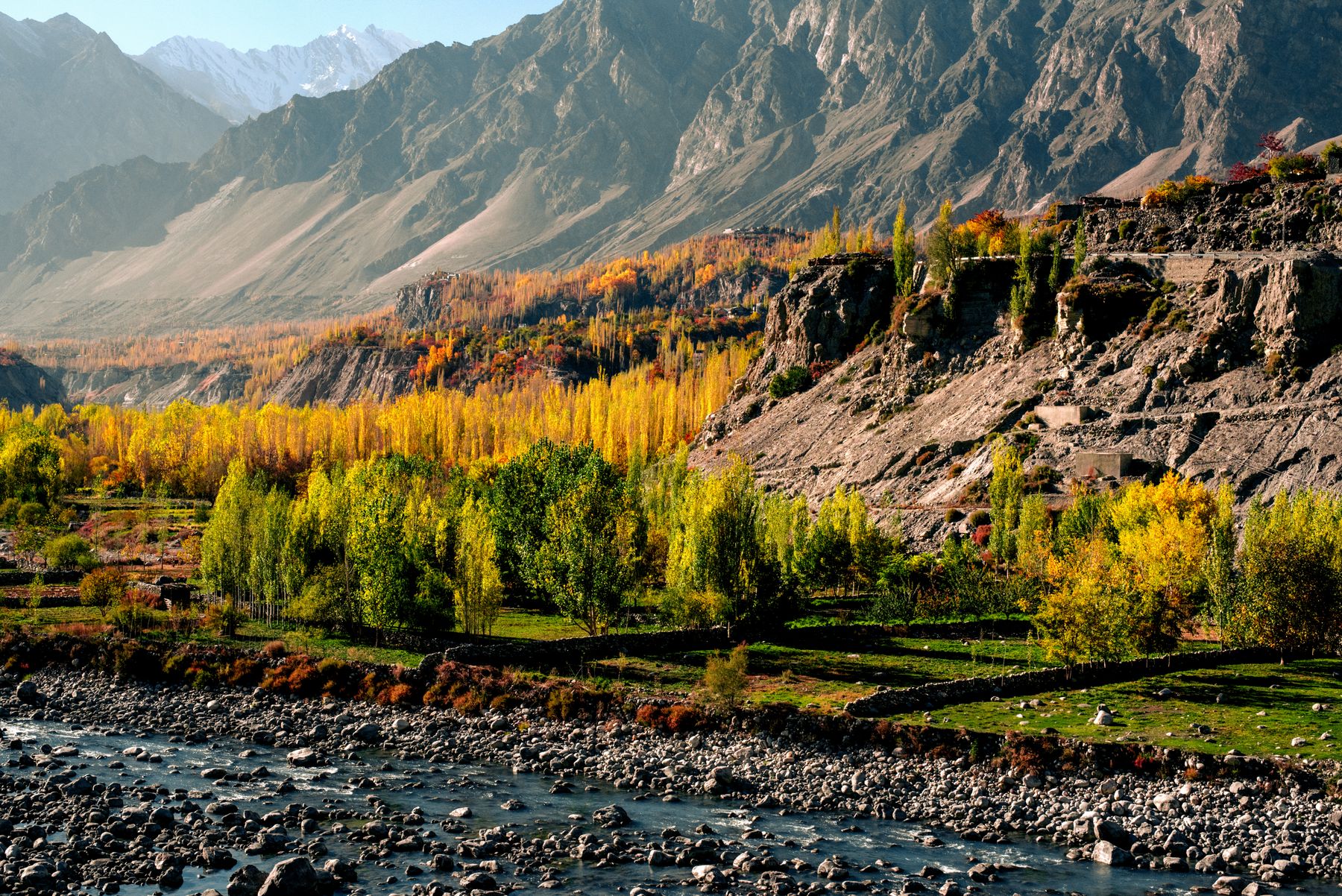
The village around the fort is a maze of stone lanes and flat-roofed houses. Some houses are still used, and the fields below are irrigated from channels that run from the Ultar glacier. The walk between the two forts passes through this older settlement.
The village lanes
Allow time to wander in Altit village. The lanes are narrow and uneven, and some are stepped. The local community has worked on restoring parts of the village, and small workshops and orchards sit among the houses.
When to go and how
The forts can be visited from April to October, when the valley is green and the paths are clear. Apricot and cherry trees flower in early April. July and August are warm, and afternoon cloud can build over the peaks. Winter visits are possible but cold, and some paths may be icy.
The walk between Baltit and Altit is not long but has little shade. Start in the morning and carry water. Local guides are available in Karimabad and can explain the history of both forts. A fee is charged at each fort, and hours can change with the season.
Access and advice
Karimabad is reached by the Karamoram Highway from Gilgit, a drive of about two hours. The forts are close to town. Rules for travel in Gilgit-Baltistan can change, so check current official advice before going.
Frequently asked questions
How long does it take to visit Baltit and Altit forts?
Most people spend about three hours on the two forts and the walk between them. Baltit takes around an hour, the walk 30 to 40 minutes, and Altit another hour. Add time for the bazaar and for photographs.
Are Baltit and Altit forts open all year?
They are generally open through the main season from April to October. Winter opening can be limited and paths may be icy. A fee is charged at each fort. Check locally for current hours before making the trip.
Can you walk between Baltit and Altit forts?
Yes. A path runs east from Karimabad through the villages to Altit, mostly level and taking around 30 to 40 minutes. The surface is uneven in places. Local vehicles can also be hired for the return if needed.
Do you need a guide for Baltit and Altit forts?
No, both forts can be visited independently. Information is displayed inside Baltit Fort. Local guides in Karimabad can add context about the history of Hunza and the architecture. Travellers usually hire a guide for the walk if they want one.
 Photo: Maani Malik / Pexels
Evenings in Karimabad
After the forts, the bazaar and the terraces above town are quiet places to watch the light leave the valley.