 Photo: Zaryab Haider / Pexels
Shigar Fort
Shigar Fort stands above the Shigar River in Baltistan, a short drive from Skardu. The restored palace shows carved timber, a small museum and views of the old bazaar.
The fort is the main heritage stop in Shigar valley. It was built by the local rajas and later restored. Rooms around a central courtyard now hold displays on Balti craft and daily life. The setting is quiet, with orchards and the river close by. Allow a few hours to walk the rooms, the courtyard and the bazaar outside.
How the visit goes
- MorningArrive in ShigarReach Shigar by road from Skardu. The fort sits near the bazaar, easy to find on foot.
- First hourCourtyard and roomsWalk the central courtyard and the surrounding rooms. Timber carvings and old fittings are the main detail.
- Second hourMuseum displaysSmall exhibits cover Balti dress, tools and household life. Labels are in English and Urdu.
- MiddayBazaar and riverStep out to the old bazaar and the riverbank. Orchards line the valley in spring.
- AfternoonReturn to SkarduDrive back to Skardu, or continue to nearby villages if time allows.
What to bring
- Light jacket for cool mornings and evenings
- Sun hat and sunscreen for the open courtyard
- Cash for any entry fee and small purchases
- Walking shoes for the bazaar lanes
- Water bottle for the dry air
Know before you go
- A fee is charged for entry to the fort and museum.
- The fort is usually open daily in the main season; check locally for winter hours.
- Photography is allowed in most areas; ask before photographing people.
- The site is at about 2,300 m; take the first day slowly.
- Shigar is reached by road from Skardu; the drive is short.
Where it starts
The fort is in Shigar town, about 30 km east of Skardu by road. Travellers usually hire a local guide or jeep from Skardu, or take a shared vehicle to Shigar bazaar and walk the last stretch.
A palace of the rajas
Shigar Fort was built in the 17th century as the seat of the rajas of Shigar. It served as a residence and a defensive base above the river. The building is made of stone, timber and mud, with carved wooden balconies and lattice screens. After a long restoration, parts of the fort opened to visitors as a heritage site with a small museum.
The architecture is Balti, adapted to the cold and the materials of the valley. Rooms are low and thick-walled, with timber columns and carved details. The central courtyard is the heart of the plan. Look for the old wooden doors and the carved capitals in the main hall.
What the museum holds
Displays are modest but useful. They cover Balti dress, household tools, jewellery and old photographs of the valley. Labels are in English and Urdu. A short visit gives context for the fort and the wider Shigar valley.
The bazaar and the valley
Outside the fort, the old bazaar runs along a narrow lane. Shops sell everyday goods, dried fruit and simple hardware. It is a working bazaar, not a set piece, and the pace is slow. Orchards of apricot, apple and walnut surround the town, flowering in spring and fruiting in late summer.
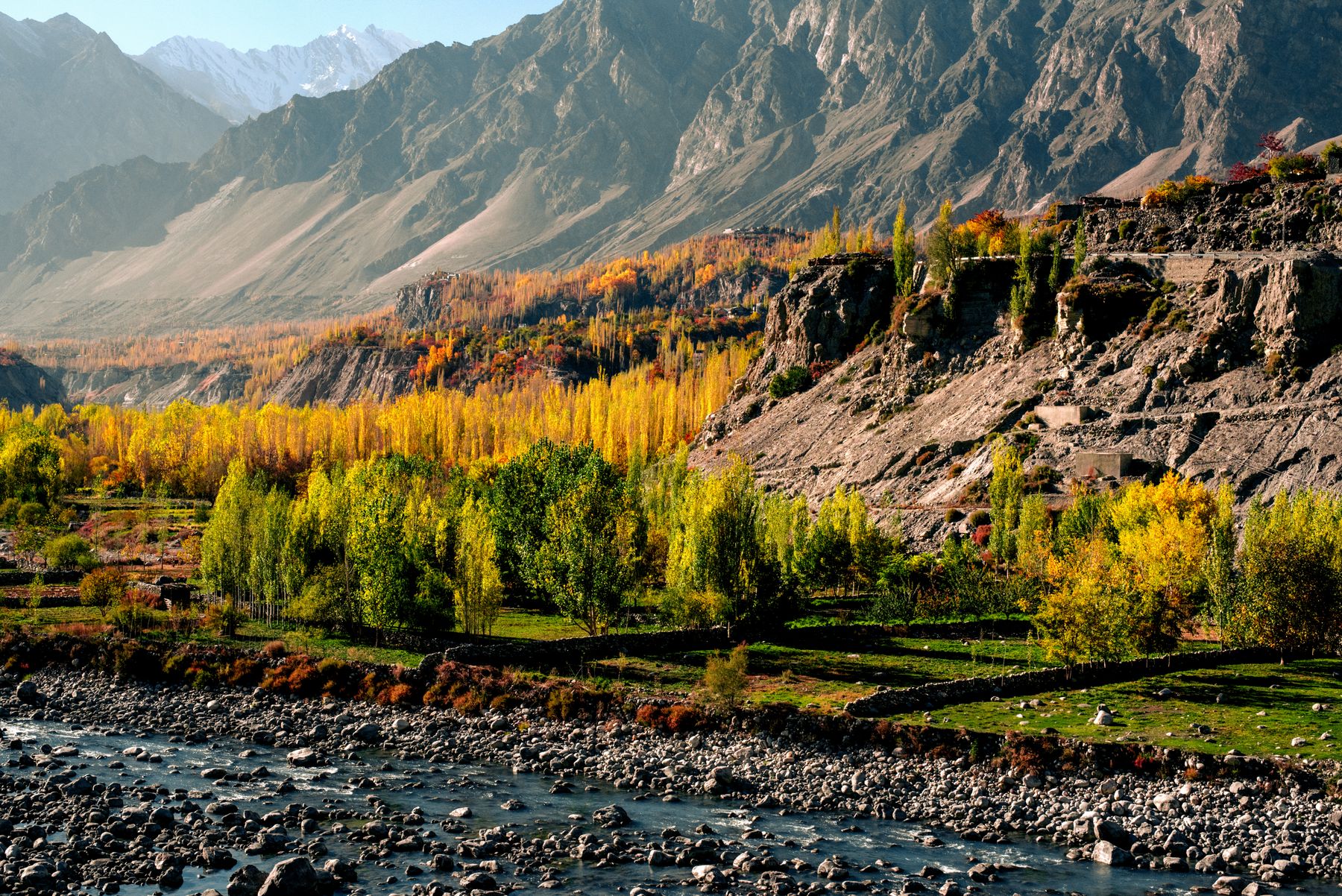
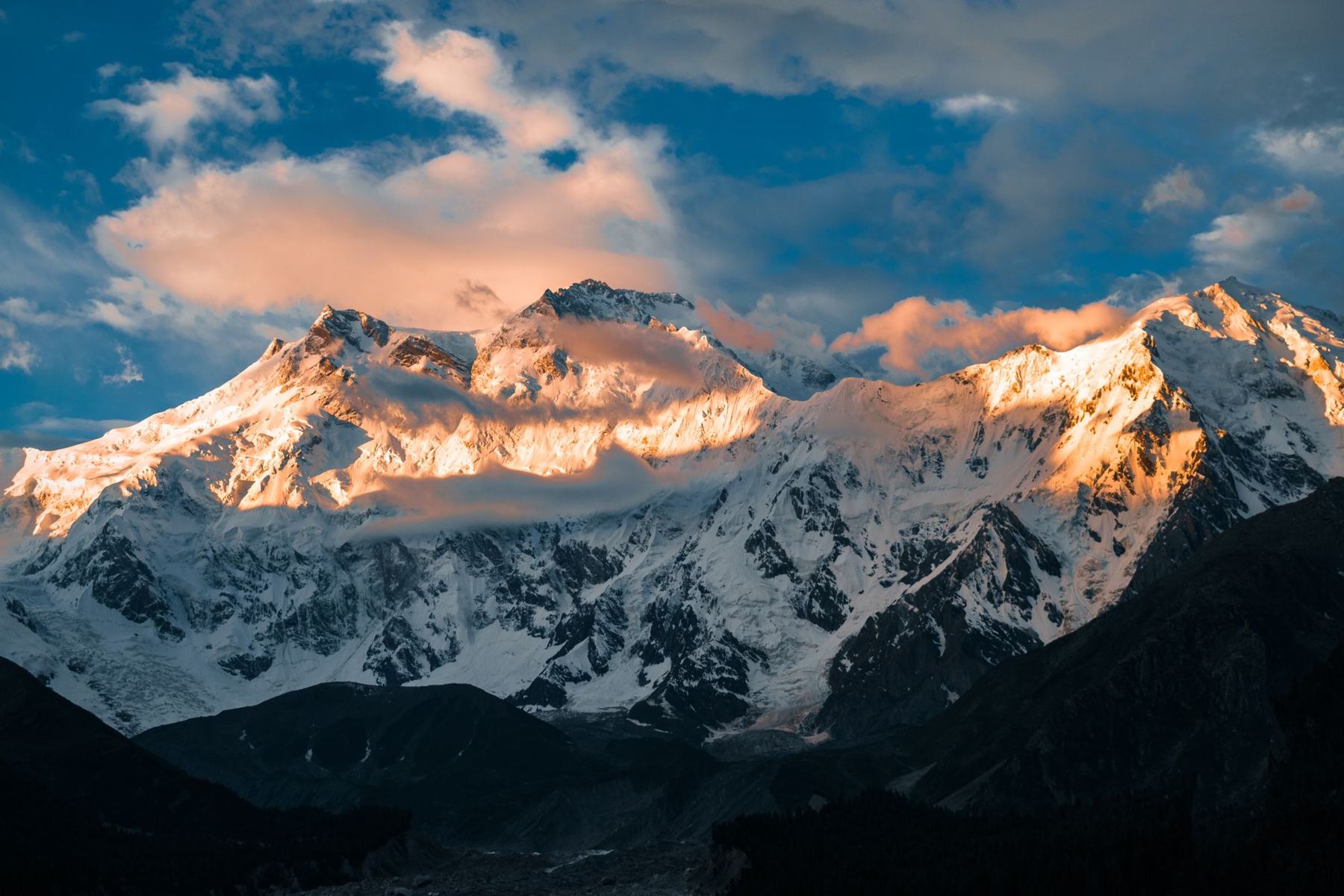
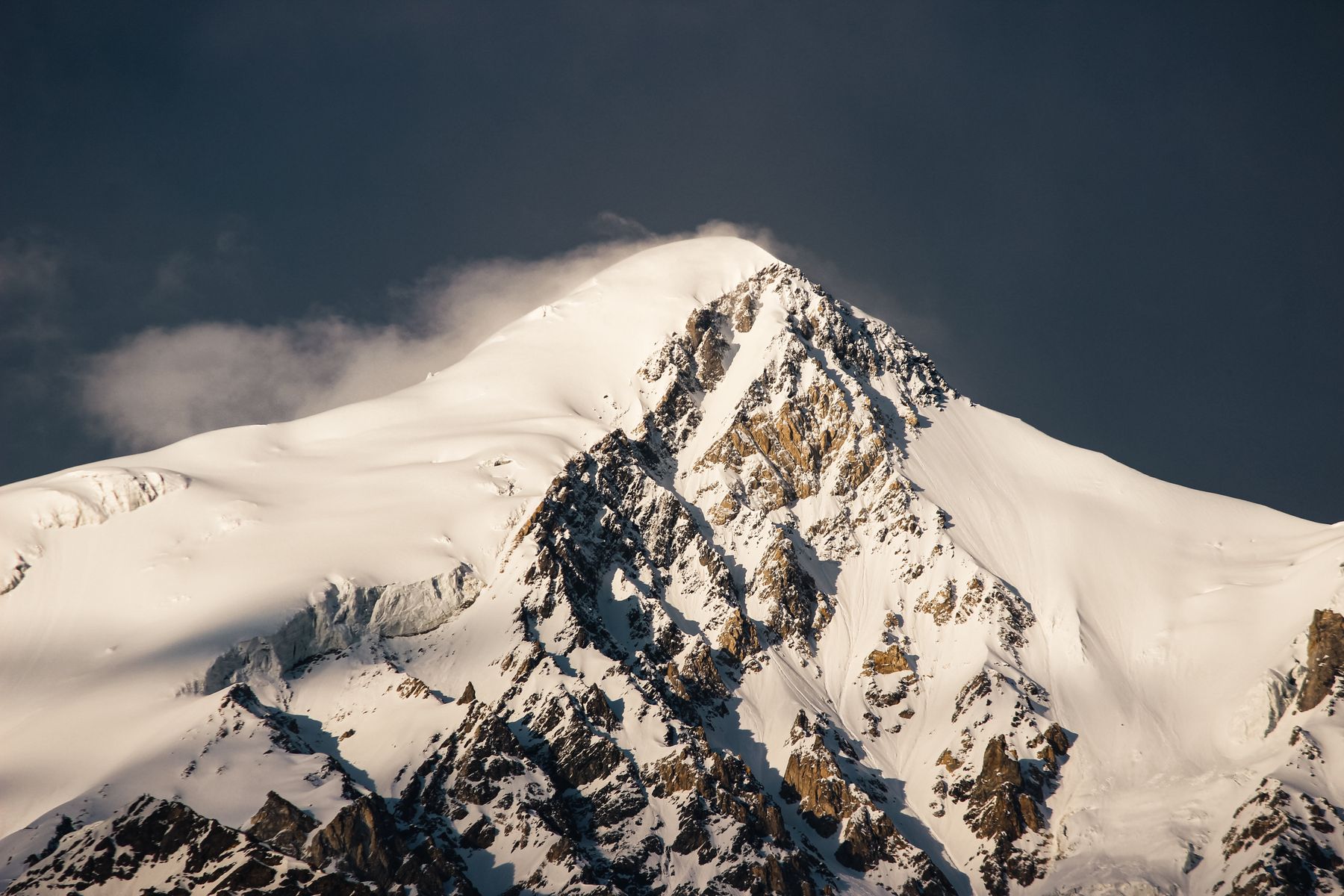
The Shigar River runs below the fort, fed by glaciers in the Karakoram. The valley opens towards Skardu and the Indus. Walks along the riverbank are easy and short. In clear weather, peaks of the Karakoram are visible to the north.
Nearby stops
The Shigar valley has several old mosques and forts within a short drive. Travellers usually hire a local guide or jeep to reach them. Ask in Shigar bazaar for directions and current access.
Planning the visit
The main season runs from April to October. Spring brings blossom in the orchards and mild days. Summer is warmer and busier. By late autumn, nights are cold and some roads and passes may be affected by weather. Check conditions before travelling.
Shigar is a short drive from Skardu, which has the main airport and the widest range of places to stay. The fort is in the town, so the visit combines easily with the bazaar and the riverbank. A half day is enough for the fort and the immediate surroundings.
Rules on access in Gilgit-Baltistan can change. Some border districts and areas near the Line of Control may need a No Objection Certificate (NOC). Check current official advice before going, and carry identification.
What to expect
The fort is a restored heritage site, not a ruin. Expect clean rooms, a small museum and a quiet courtyard. A fee is charged for entry. There is no need to join a tour; travellers usually hire a local guide or jeep for the wider valley.
Frequently asked questions
Where is Shigar Fort and how do you reach it?
Shigar Fort is in Shigar town, Baltistan, about 30 km east of Skardu by road. Travellers usually hire a local guide or jeep from Skardu, or take a shared vehicle to Shigar bazaar and walk to the fort.
What can you see inside Shigar Fort?
The restored palace has a central courtyard, carved timber rooms and a small museum. Displays cover Balti dress, tools and household life. The old bazaar and the riverbank are just outside.
When is the best time to visit Shigar Fort?
April to October is the main season. Spring brings orchard blossom and mild days. Summer is warmer. By late autumn, nights are cold and weather can affect roads, so check conditions before travelling.
Do you need a permit to visit Shigar Fort?
Shigar is not usually in a restricted area, but rules can change. Some border districts and areas near the Line of Control may need a No Objection Certificate (NOC). Check current official advice before going and carry identification.
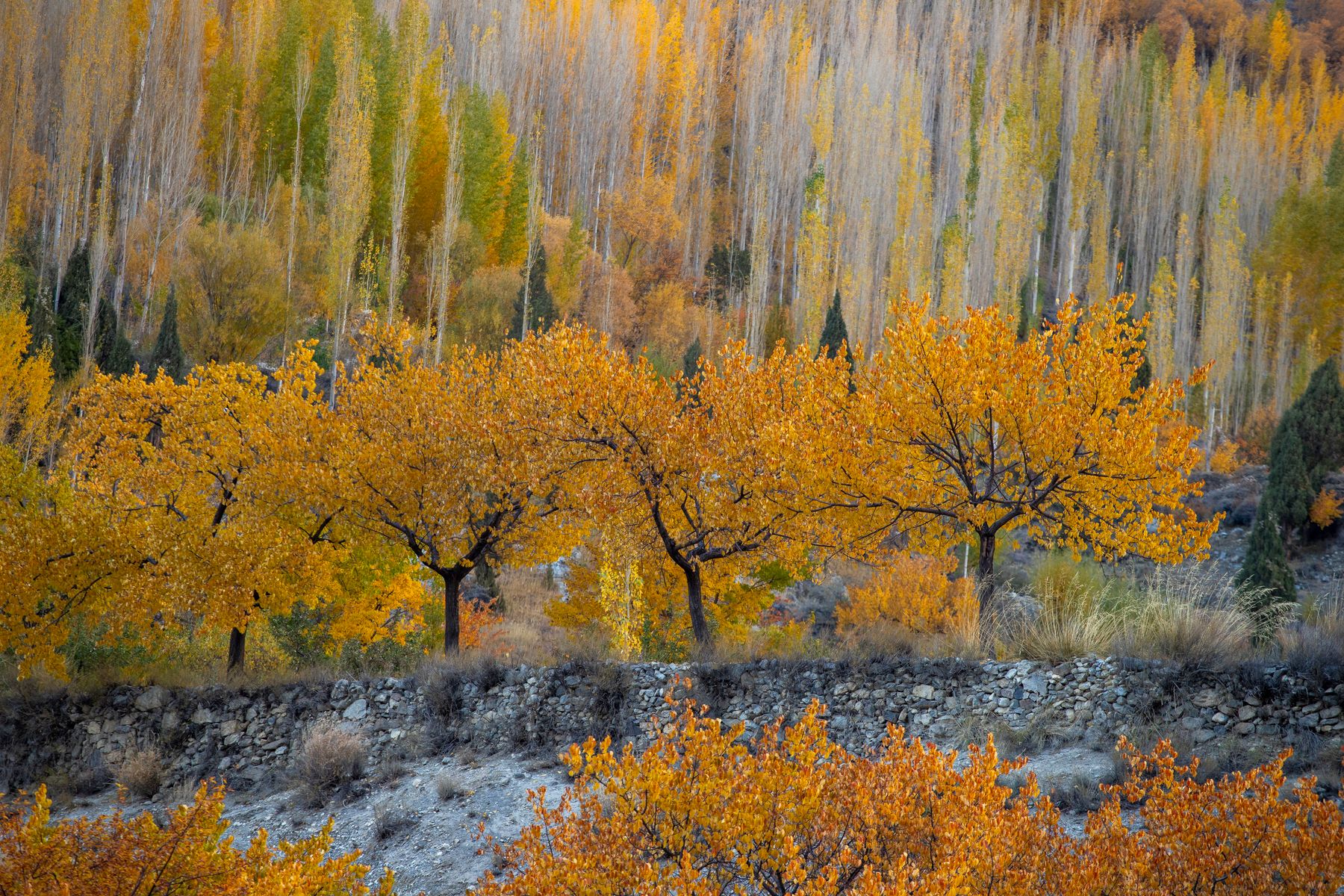 Photo: FAYSAL KHAN / Pexels
Staying near Shigar
Skardu has the widest choice of places to stay. Shigar has a few small guest houses near the bazaar.