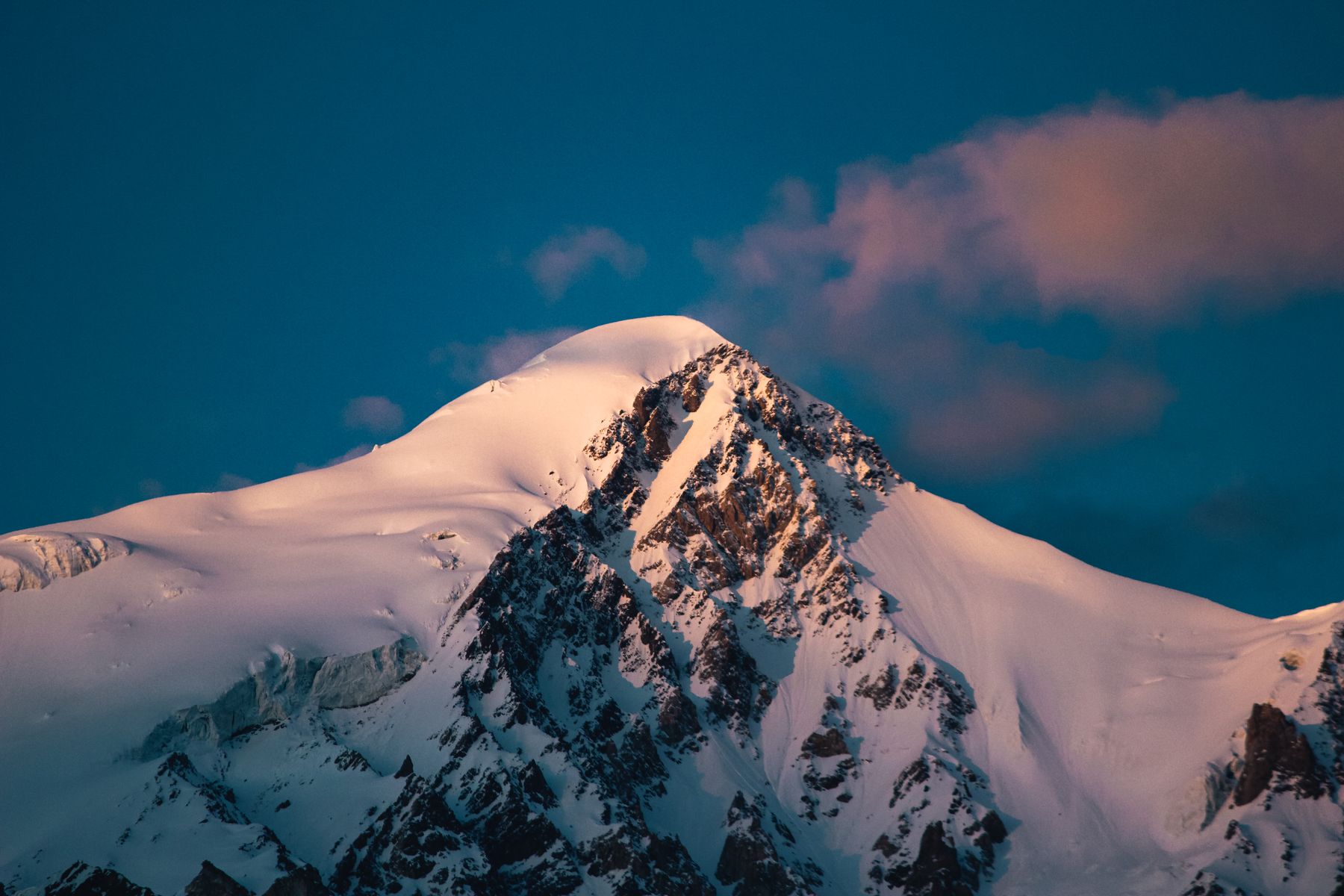
 Photo:
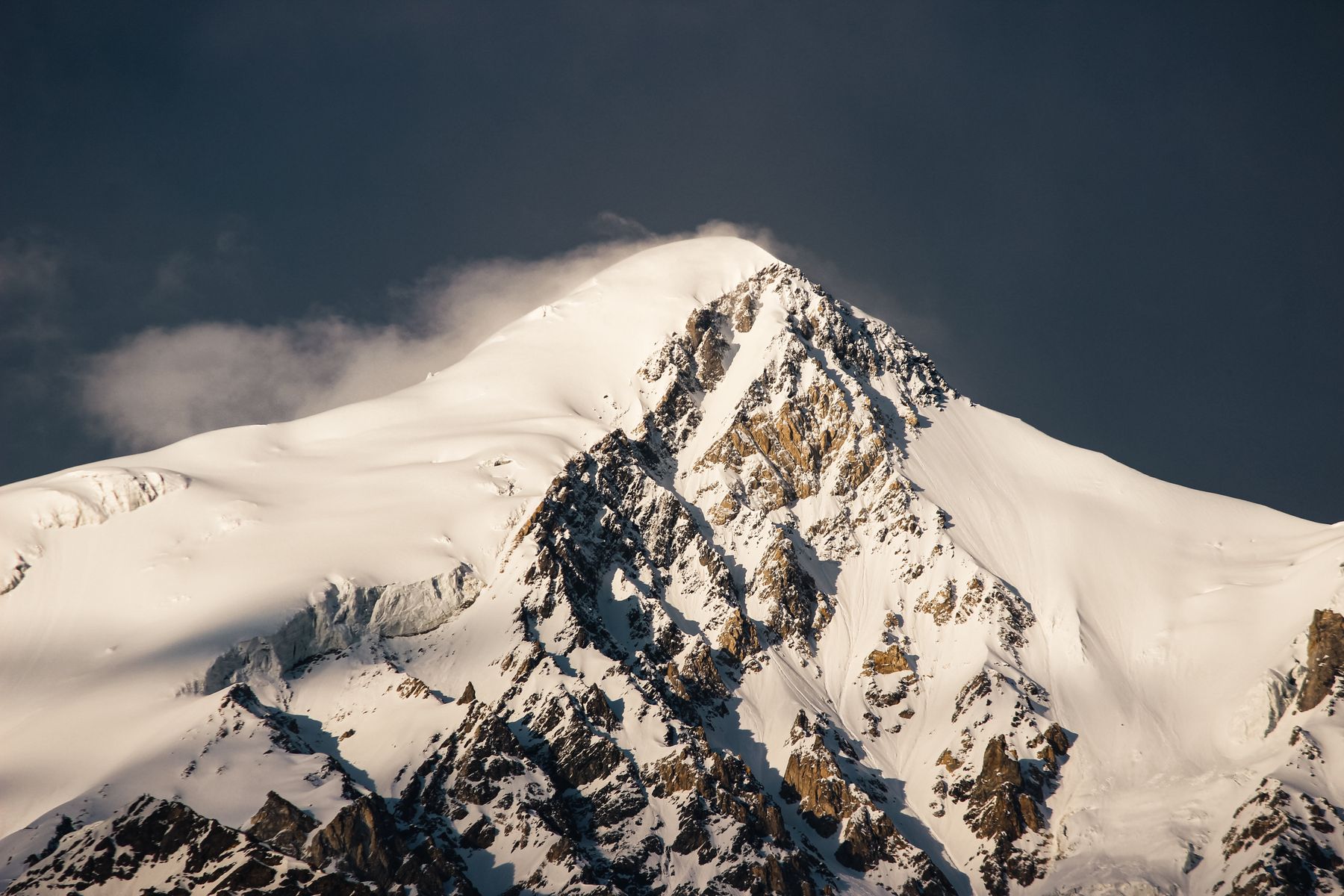
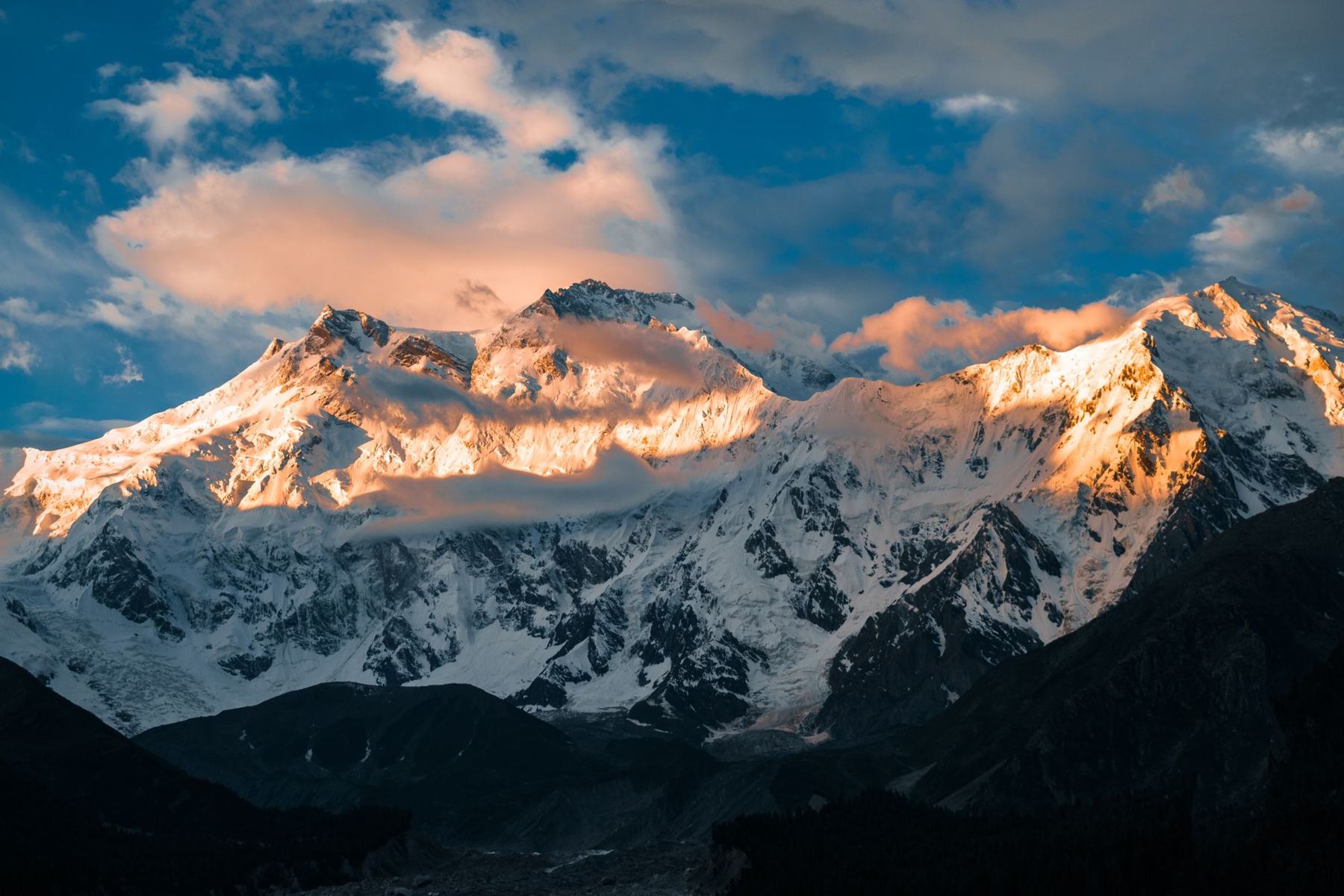
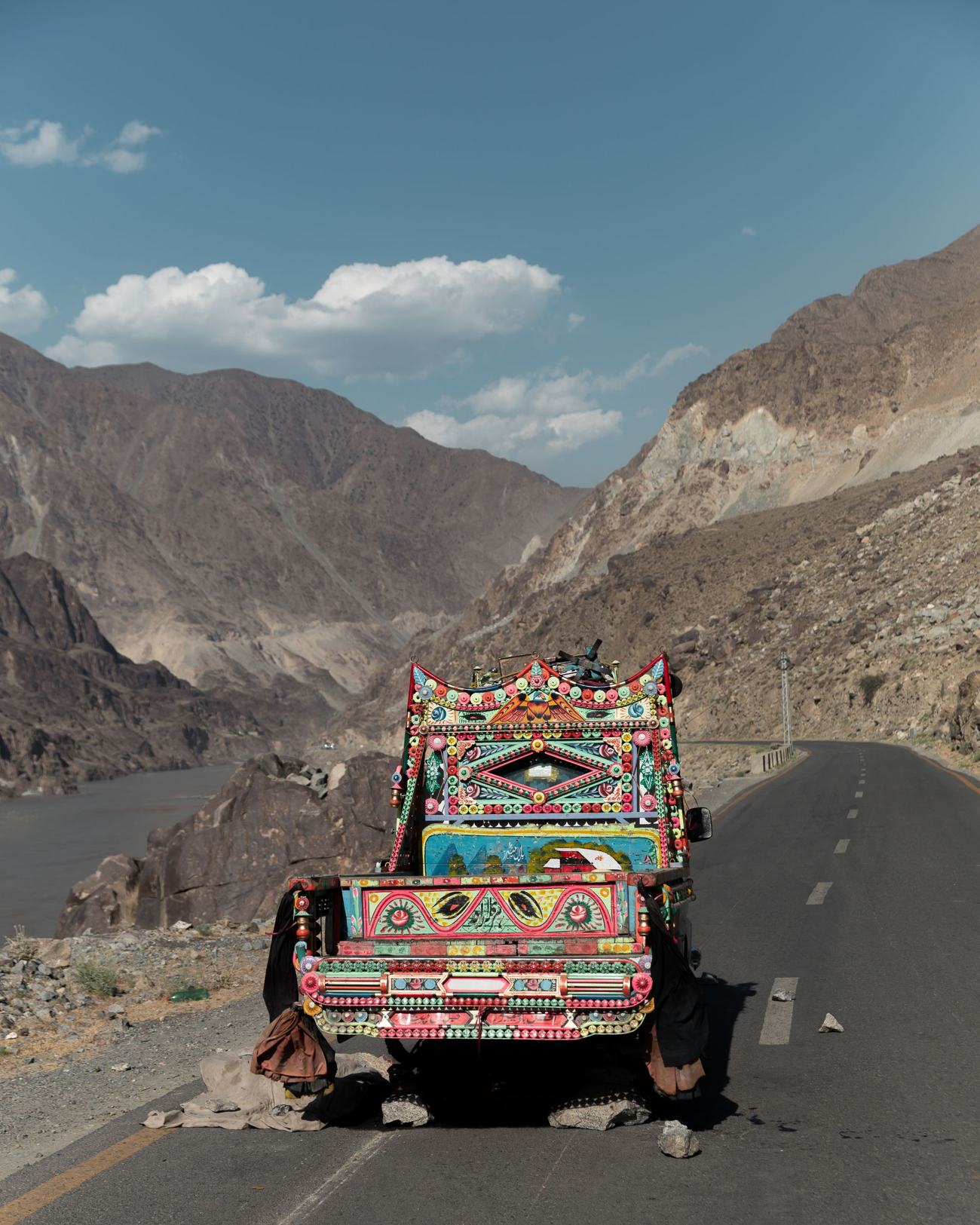
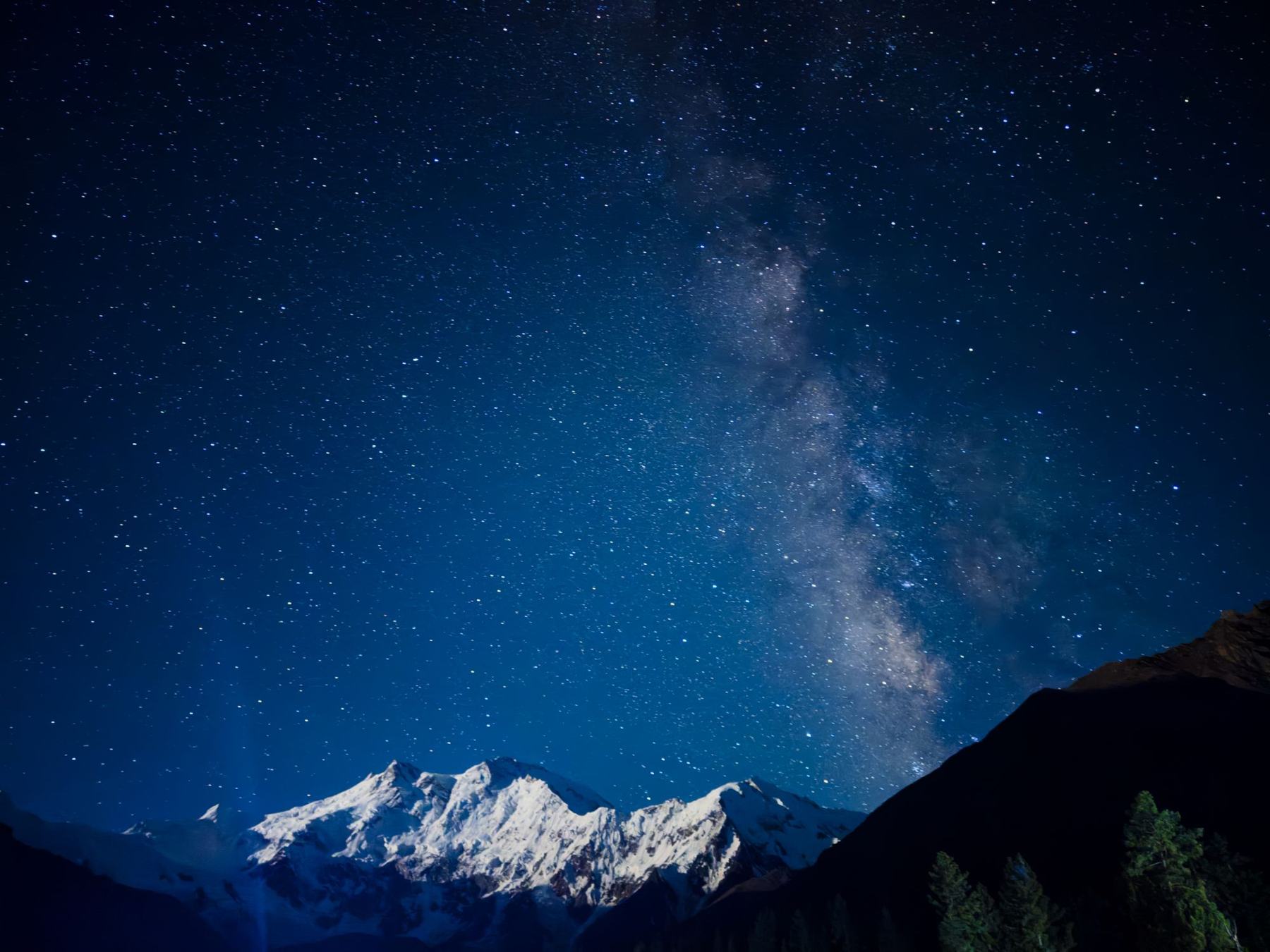
Visiting Shigar
What the place is like
Shigar is a town of about a few thousand people, spread across a green shelf of land above the river. The old core clusters around the fort and the mosque, with narrow lanes between stone and timber houses. Newer buildings line the road that runs through the valley. The surrounding fields are divided by irrigation channels and planted with fruit trees and wheat.
The valley runs roughly east to west, opening towards the Shigar river. To the north, side valleys lead up towards the high peaks and glaciers of the Karakoram. The climate is dry and cold in winter, with snow on the ground for weeks. Summer days are warm and nights cool. Spring brings blossom, and autumn turns the poplars yellow.
The old fort
Shigar Fort, also known as Fong Khar, is the main historic building in town. It was built by the Balti rulers of Shigar and later restored. The fort has a palace section with carved woodwork and a small museum. A fee is charged to enter. The fort is a short walk from the bazaar.
What to see
The fort and the old mosque are the two sights not to miss. Khilingrong Mosque stands a few minutes from the fort and is one of the oldest wooden mosques in Baltistan. Its prayer hall is supported by carved timber pillars. Visitors should dress modestly and avoid prayer times. The fort museum displays local artefacts and explains the history of the Shigar rulers.
The bazaar is small but gives a sense of daily life. Nearby, the Hashupi Bagh area has old orchards and a quiet garden. A walk along the riverbank gives wide views of the valley and the peaks beyond. In summer, the river is a milky grey-green from glacial silt.
A day or two there
One day is enough to see the fort, the mosque and the bazaar at an easy pace. Start at the fort in the morning, when the light is good and the museum is open. Then walk to the mosque and through the old lanes. In the afternoon, take a short walk to the riverbank or the orchards.
With a second day, use Shigar as a base for a longer walk or a drive into the side valleys. The road north towards the Shigar river leads to trailheads for treks towards the Karakoram. Local guides can be arranged in town. A half-day trip to the Blind Lake area is possible by jeep and on foot.
Side trips
The Deosai plains lie south of Skardu and can be reached from Shigar by a long day trip in summer. The road over the Deosai plateau is usually open from July to September. Check conditions locally before setting out. Khaplu and the Hushe valley are further east along the Shigar river road.
Getting there and around
Shigar is about 30 km from Skardu by road. The drive takes around 45 minutes on a paved road that follows the Shigar river. Skardu has an airport with flights to Islamabad, weather permitting. Most travellers reach Skardu by air or by a long road journey from Gilgit along the Indus. From Skardu, taxis and local vans run to Shigar.
Within Shigar, the fort, mosque and bazaar are close enough to walk between. For side valleys and the riverbank, a local taxi or a hired jeep is useful. The roads are narrow in places and can be rough after rain. Driving is on the left. Fuel is available in Skardu, not always in Shigar.
Practical notes
Shigar has basic guest houses and small shops, but no large hotels. Most visitors stay in Skardu and visit Shigar as a day trip. If staying overnight, bring cash and any medicines you need. Mobile coverage is limited and can be unreliable. Electricity may be intermittent.
The area is generally calm, but some border districts and parts of Balochistan require a No Objection Certificate (NOC) for travel. Rules change, so check current official advice before you go. For Gilgit-Baltistan, most foreign visitors do not need a permit for Shigar, but it is wise to confirm. The fort charges an entry fee. Dress modestly when visiting mosques.
Weather and seasons
Spring, from late March to May, brings blossom and mild days. Summer, June to August, is warm and the main trekking season. Autumn, September and October, is clear and cool. Winter can be very cold, with snow and some roads closed. The best months for a visit are April to October.
Frequently asked questions
What is there to see in Shigar?
The main sights are Shigar Fort, a restored Balti fort with a small museum, and the old Khilingrong Mosque. The town bazaar and the riverbank are also worth a walk. The fort charges an entry fee. Allow a few hours to see the historic core.
How do you get to Shigar from Skardu?
Shigar is about 30 km from Skardu by road. The drive takes around 45 minutes on a paved road. Taxis and local vans run from Skardu. Skardu has an airport with flights to Islamabad, weather permitting. Most travellers base themselves in Skardu and visit Shigar as a day trip.
When is the best time to visit Shigar?
The best months are April to October. Spring brings blossom and mild days. Summer is warm and good for trekking. Autumn is clear and cool. Winter can be very cold, with snow and some roads closed. Check local conditions before travelling in winter.
Do you need a permit to visit Shigar?
Most foreign visitors do not need a No Objection Certificate (NOC) for Shigar, but rules can change. Some border districts and parts of Balochistan require an NOC. Check current official advice before you go. Carry identification and confirm requirements with local authorities.