 Photo:
Visiting Khuzdar
What Khuzdar is like
Khuzdar is a working town, not a tourist centre. The streets around the bazaar are busy with traffic and trade, and the shops serve a wide area of central Balochistan. The town sits at about 1,237 m, so summers are hot but not as extreme as the plains, and winters are cold at night. The surrounding hills are dry and rocky, with small settlements and tracks leading off the main roads.
The population is mostly Baloch and Brahui, and the languages you hear in the bazaar reflect that. There are a few simple places to eat around the market, and the town has a hospital and schools that serve the district. For a traveller, Khuzdar is a place to see everyday life in central Balochistan rather than a set of monuments.
What to see
The main bazaar is the heart of the town. It is a good place to walk in the morning, when produce and goods arrive, and again in the late afternoon. The old fort site on the edge of town gives a view over the valley and a sense of the town's history. The railway station is a quiet stop for anyone interested in the old line through Balochistan.
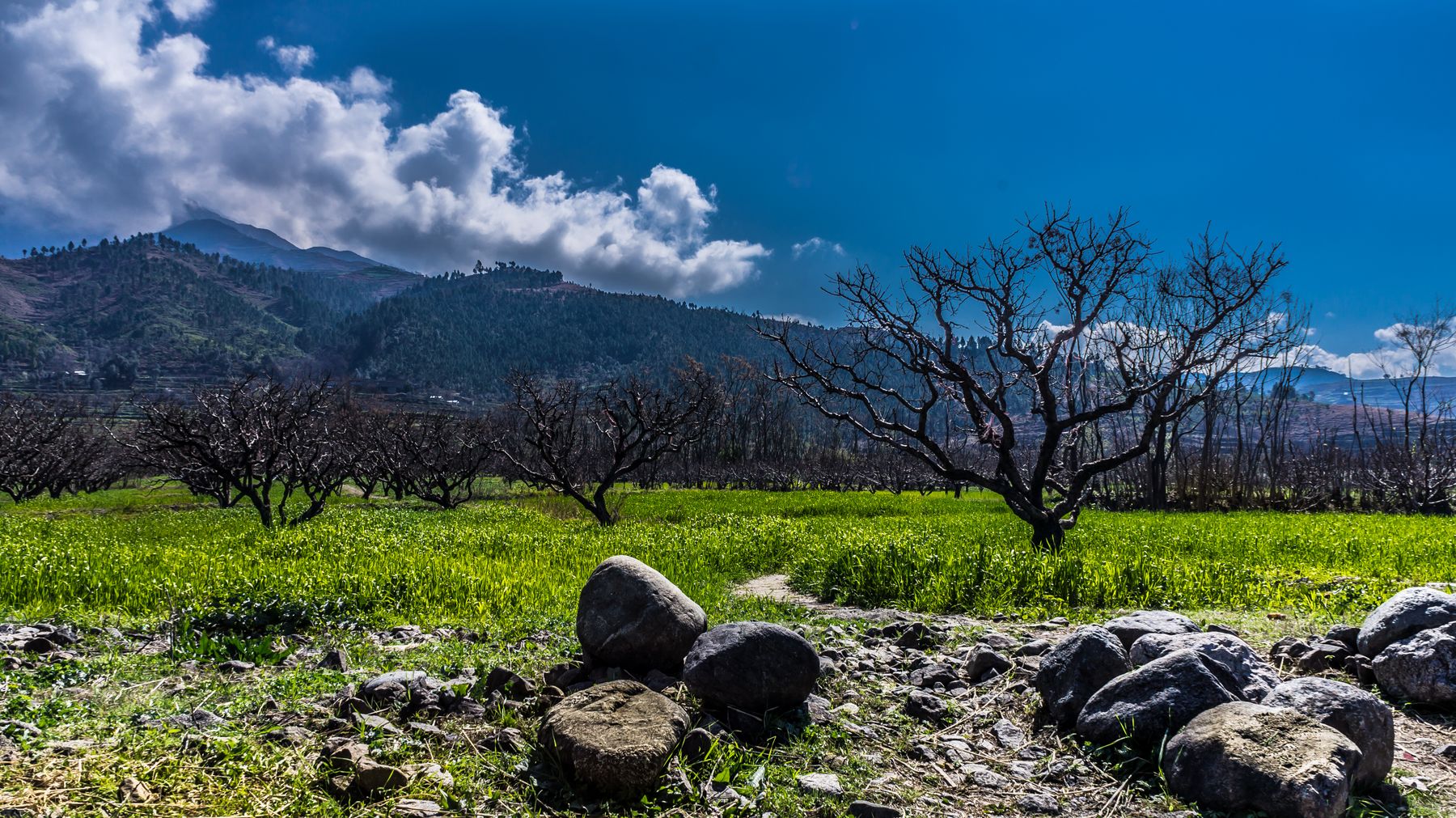
Outside town, the Jhalawan hills are open and dry. Tracks lead to small villages and open country, and the light in the late afternoon is clear. The Moola River runs nearby, though it is seasonal and often low. A short drive into the hills is the best way to see the landscape around Khuzdar.
The bazaar
The bazaar is the busiest part of Khuzdar. Shops sell cloth, shoes, household goods and food. It is a practical market rather than a tourist one, and the pace is steady through the day. Mornings are cooler and quieter, and the late afternoon brings another rush.
The old fort
The fort site sits on raised ground near the town. The remains are limited, but the position gives a wide view over the valley and the hills beyond. It is a short walk or drive from the centre, and a place to pause rather than a full sight.
A day or two there
With one day, start at the bazaar in the morning. Walk the main streets, look at the shops and take tea in one of the simple places around the market. In the afternoon, visit the old fort site and the railway station. If time allows, take a short drive into the Jhalawan hills for the views and the open country.
With two days, use the second day for a longer loop into the hills or along the Moola River. The roads are rough in places, so allow more time than the distance suggests. Evenings are cool, and the town is quiet after dark. A second day also gives room to adjust to the altitude and the pace of the road.
Getting there and around
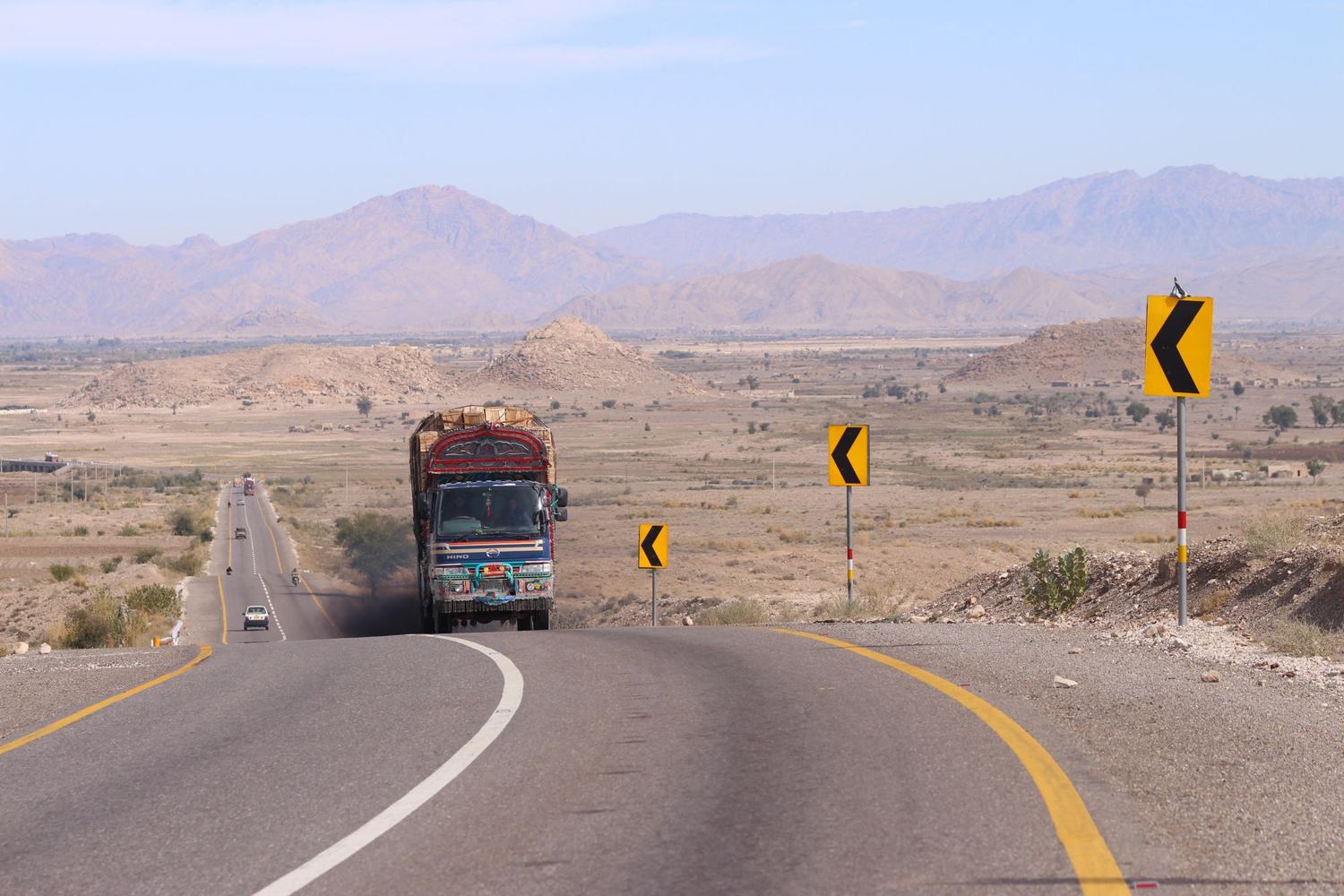
Khuzdar lies on the main road between Quetta and Karachi, and most travellers arrive by road. The drive from Quetta is long and crosses several passes, and the drive from Karachi is longer still. Buses and shared vehicles run on this route, but the journey takes most of a day from either city. There is also a railway station, though passenger services are limited.
Around town, local transport and taxis are available near the bazaar. For the hills and outlying villages, a vehicle with local knowledge is useful, as roads are unsigned and rough in places. Fuel is available in town. Check road conditions before setting out, as weather and roadworks can cause delays.
By road
The main highway passes through Khuzdar, linking it to Quetta to the north and Karachi to the south. The road is paved but busy with trucks. Allow a full day for either drive, and start early. Shared vehicles and buses leave from the main terminals.
Around town
The centre is compact and walkable, though pavements are uneven. Local taxis and rickshaws cover longer trips. For the hills, hire a vehicle with a driver who knows the tracks. Fuel and basic repairs are available in town.
Practical notes
Khuzdar has a hospital, banks and shops for basic supplies. Accommodation is simple, with a few guest houses and hotels in town. The best months to visit are October to April, when days are mild and nights are cold. Summers are hot, and the monsoon months can bring rain to the hills.
Parts of Balochistan can require a No Objection Certificate (NOC) or have travel advisories. Rules change, so check current official advice before travelling. The area is remote, and mobile coverage can be patchy outside town. Carry enough water and cash, as card payment is not common.
Permits and advice
Some districts in Balochistan require an NOC for travel, and rules can change at short notice. Check with official sources before setting out. Travel advisories may apply to parts of the province, so plan accordingly and avoid areas where access is restricted.
Frequently asked questions
Where is Khuzdar?
Khuzdar is in central Balochistan, Pakistan, at about 27.8°N, 66.6°E. It sits at an elevation of about 1,237 m in the Jhalawan hills, on the main road between Quetta and Karachi. It is a district headquarters and a market town for the surrounding area.
What is the best time to visit Khuzdar?
The best months are October to April, when days are mild and nights are cold. Summers are hot, and the monsoon months of July and August can bring rain. Winter nights can be very cold, so bring warm clothing if travelling between December and February.
Do you need a permit to visit Khuzdar?
Parts of Balochistan can require a No Objection Certificate (NOC) or have travel advisories. Rules change, so check current official advice before travelling. It is wise to confirm requirements with the local administration or your embassy before setting out.
How do you get to Khuzdar?
Most travellers arrive by road on the main highway between Quetta and Karachi. The drive from Quetta is long and crosses several passes, and the drive from Karachi is longer. Buses and shared vehicles run on the route, and there is a railway station, though passenger services are limited.