Qawwali nights and the music of the shrines
Qawwali is the devotional music of South Asia's shrines. In Lahore and across Pakistan, it fills courtyards and concert halls with poetry and rhythm.
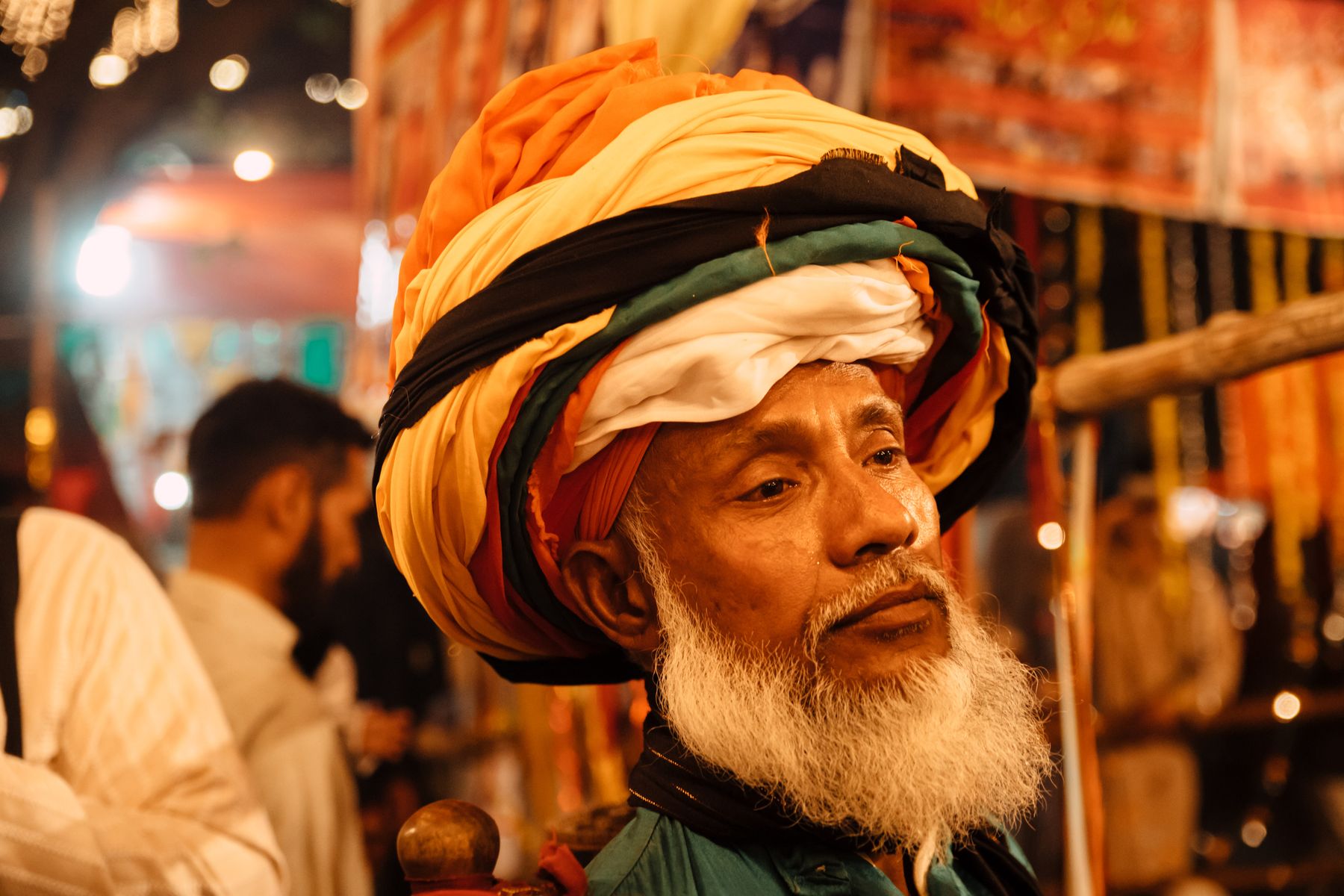 Photo: Aa Dil / Pexels
The sound begins with a harmonium drone and a single voice. Then the tabla and clapping join, and the words of Punjabi and Urdu poets rise and fall for hours. Qawwali is the music of the shrines, a form of Sufi devotional singing that has moved listeners for centuries. In Lahore, it is part of the city's rhythm.
The Roots of Qawwali
Qawwali grew from the Sufi tradition of sama, or listening, in which poetry and music are used to draw the heart towards the divine. The form is linked to the Chishti order and to shrines across the subcontinent. In Pakistan, the tradition is strongest in Punjab and Sindh, where the shrines of Sufi saints hold regular gatherings. The music sets verses by poets such as Amir Khusrau, Bulleh Shah and Baba Farid, often in Punjabi and Urdu, and builds from a slow opening to a fast, repeating climax.
A qawwali party usually has a lead singer, a harmonium or two, tabla, dholak and a chorus of clapping singers. The harmonium provides the melodic line, while the tabla and dholak set the rhythm. The chorus repeats key lines, and the lead singer improvises around them. The performance can last from twenty minutes to several hours, depending on the setting and the audience. The aim is not a short song but a gradual build of intensity.
The poetry is central. Verses speak of love, separation and union, using worldly love as a metaphor for spiritual longing. Listeners may respond with calls or gestures, and the exchange between performer and audience is part of the event. In shrine settings, the qawwali is offered as a devotional act, and the atmosphere is one of concentration and release.
Where to Hear Qawwali in Lahore
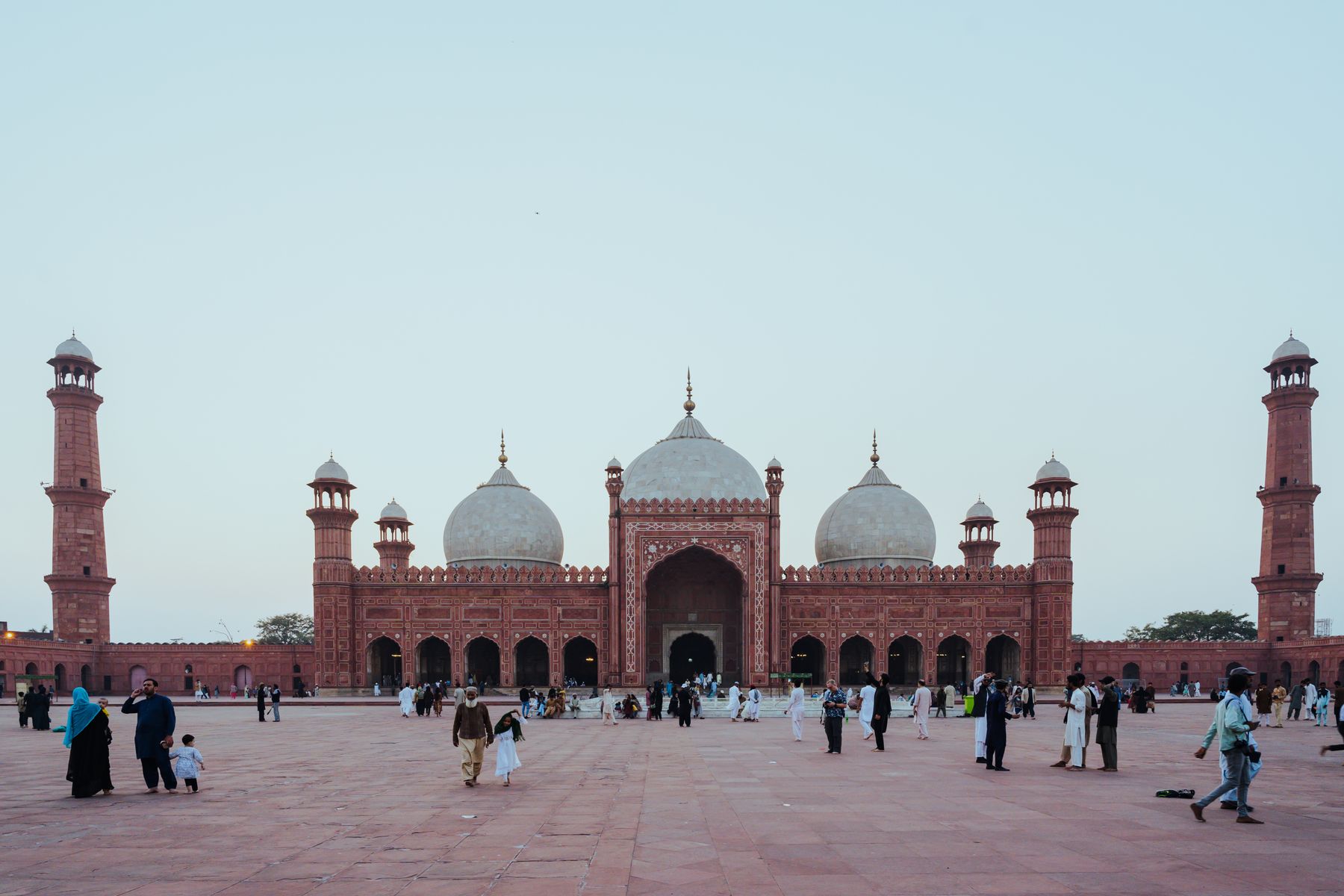
Lahore has several places where qawwali can be heard. The shrine of Data Ganj Bakhsh, also known as Data Darbar, holds regular qawwali sessions, especially on Thursday evenings. The shrine of Baba Shah Jamal in the city's west also hosts a well-known Thursday night gathering, where a large crowd sits around the courtyard. These are religious sites, and visitors should dress modestly and follow local customs.
Beyond the shrines, cultural venues such as the Lahore Arts Council and the Alhamra Arts Centre stage qawwali concerts, often as part of festivals or seasonal programmes. These events are seated and ticketed, and they offer a more formal setting. During the spring festival of Basant, though less common in recent years, and during Eid celebrations, qawwali can be heard in various parts of the city.
For a visitor, the shrine setting is the most direct experience. Arrive early to find a place, remove shoes before entering the courtyard, and sit on the floor with others. Women may prefer to sit in designated areas. Photography may be restricted; ask before taking pictures. The music usually starts after the evening prayer and can continue late into the night.
قوالی روح کی غذا ہےQawwali is food for the soul. A common saying among listeners at shrine gatherings.
The Shrines of Punjab and Sindh
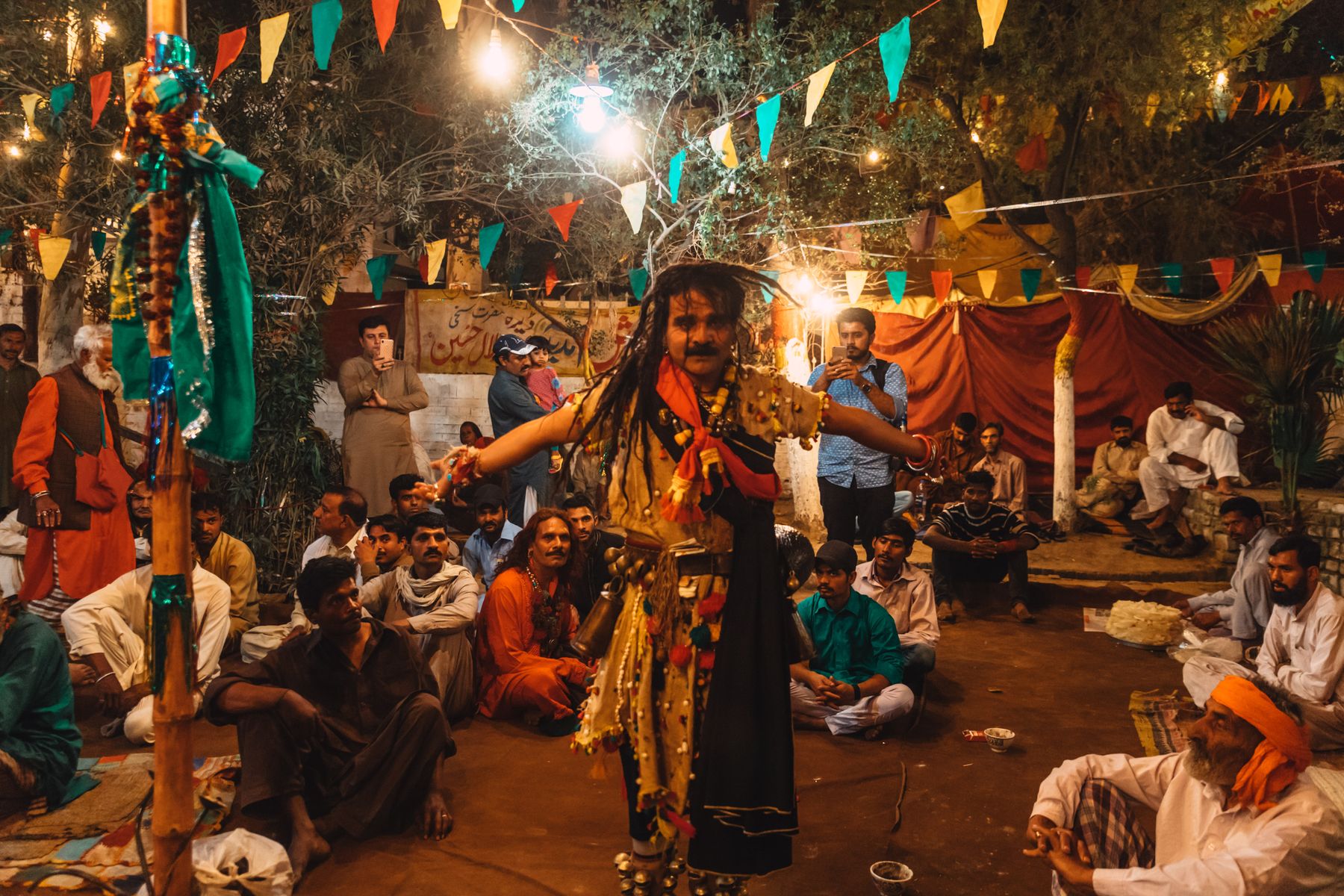
Outside Lahore, the shrine of Baba Farid in Pakpattan holds an annual urs, a multi-day festival that includes qawwali. The shrine of Shah Rukn-e-Alam in Multan is another important centre. In Sindh, the shrine of Lal Shahbaz Qalandar in Sehwan is famous for its Thursday gatherings, where qawwali and the local dhamaal dance draw large crowds. These events are intense and can be crowded.
The urs at Sehwan takes place in the Islamic month of Safar and attracts devotees from across the country. The shrine of Shah Abdul Latif Bhittai in Bhit Shah, near Hyderabad, is associated with the poet's verses and hosts music during its urs. Each shrine has its own character and local following, and the music reflects regional languages and styles.
Visiting these shrines requires some planning. Sehwan is a long drive from Karachi, and accommodation is basic. Multan and Pakpattan are more accessible from Lahore. During urs, expect crowds and tight security. Always check current travel advice and any permit requirements before travelling to remote areas.
What to Expect at a Qawwali Night
A qawwali night is not a standard concert. There is no fixed start time, and the programme may change. The audience sits on the floor, often on carpets or mats. The singers sit cross-legged with their instruments. The harmonium player may also sing. The clapping of the chorus is part of the rhythm, and the audience may join in.
The music builds slowly. The lead singer begins with a verse, then repeats it with variations. The tabla player responds, and the tempo increases. The climax can be loud and fast, with repeated lines and energetic clapping. Then the performance may end abruptly or move to a new piece. The experience is as much about endurance and participation as about listening.
Refreshments such as tea and snacks may be available outside the shrine, but the focus is on the music. Dress modestly, covering arms and legs, and carry a scarf for women. Avoid pointing feet towards the shrine or the performers. The atmosphere is devotional, so keep conversations low and phones silent.
A Living Tradition
Qawwali continues to evolve. In Lahore, young musicians learn from ustads and perform at shrines and private gatherings. The form has also influenced popular music, and some qawwali artists have gained international audiences. Despite these changes, the core remains the poetry and the devotional setting.
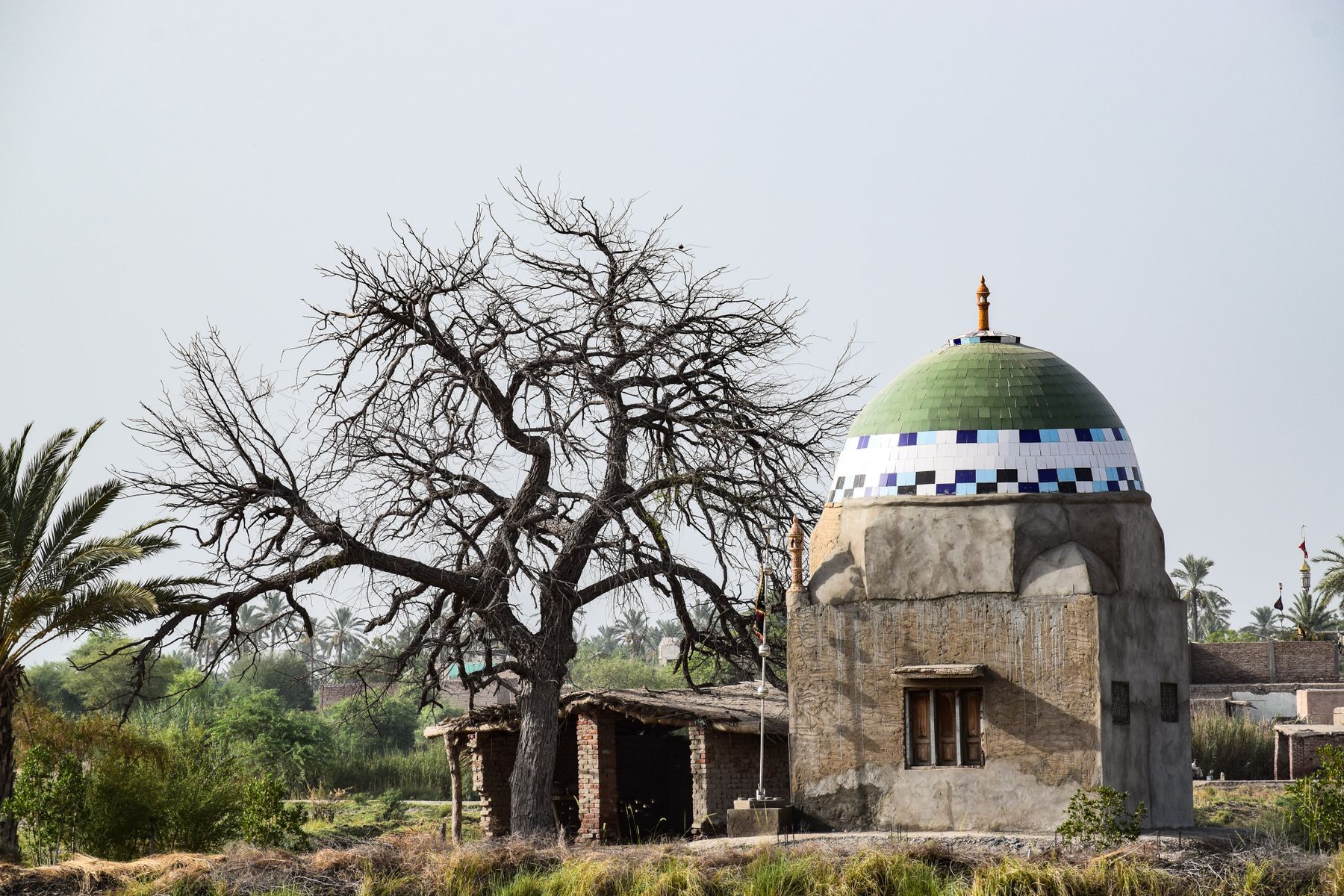
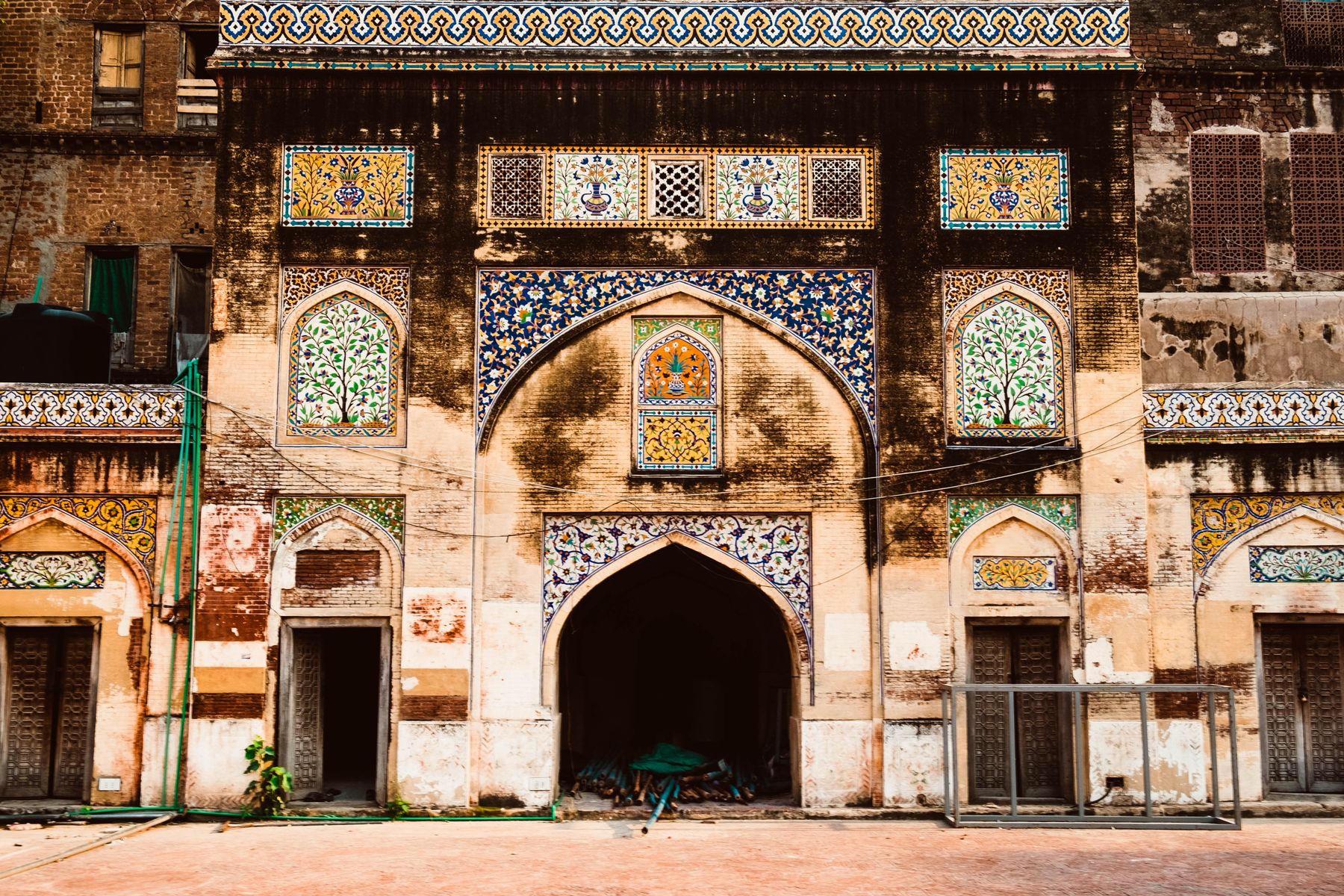
For visitors, qawwali offers a way to understand Pakistan's cultural and spiritual life. It is not a performance to be consumed quickly but an experience to be absorbed. The shrines themselves are architectural and historical landmarks, often with fine tilework and calligraphy. The music is one part of a larger tradition of hospitality and devotion.
When planning a trip, consider the season. Summers in Punjab and Sindh are hot, and shrine courtyards can be crowded. Winter and spring are more comfortable. Ramadan brings special qawwali nights, but the fasting hours affect timings. Always respect local customs and the sanctity of the shrine.
Where to Find It
- Data Darbar, LahoreThe shrine of Data Ganj Bakhsh hosts Thursday evening qawwali in its courtyard. Arrive early and dress modestly.
- Baba Shah Jamal, LahoreA well-known Thursday night gathering in the city's west, with a large crowd and energetic performance.
- Sehwan Sharif, SindhThe shrine of Lal Shahbaz Qalandar holds famous Thursday qawwali and dhamaal. It is a long drive from Karachi.
- Bhit Shah, SindhThe shrine of Shah Abdul Latif Bhittai hosts music during its annual urs, celebrating the poet's verses.
Frequently asked questions
What is qawwali and where can I hear it in Lahore?
Qawwali is Sufi devotional music performed at shrines and cultural venues. In Lahore, regular sessions take place at Data Darbar and Baba Shah Jamal on Thursday evenings, and at the Alhamra Arts Centre during festivals. Dress modestly and follow local customs.
Do I need a permit to attend qawwali at shrines in Pakistan?
Most shrines in Punjab and Sindh do not require permits for visitors. However, some remote areas and border districts may need a No Objection Certificate (NOC). Rules change, so check current official advice before travelling.
What should I wear and how should I behave at a qawwali night?
Wear modest clothing that covers arms and legs, and women should carry a scarf. Remove shoes before entering the shrine courtyard. Sit on the floor with others, keep conversations low, and silence phones. Avoid pointing feet towards the shrine or performers.
Find a stay in Lahore
Live prices and availability open in the IMPT app, in a new tab.